
Beautiful Plants For Your Interior
Beautiful Plants For Your Interior
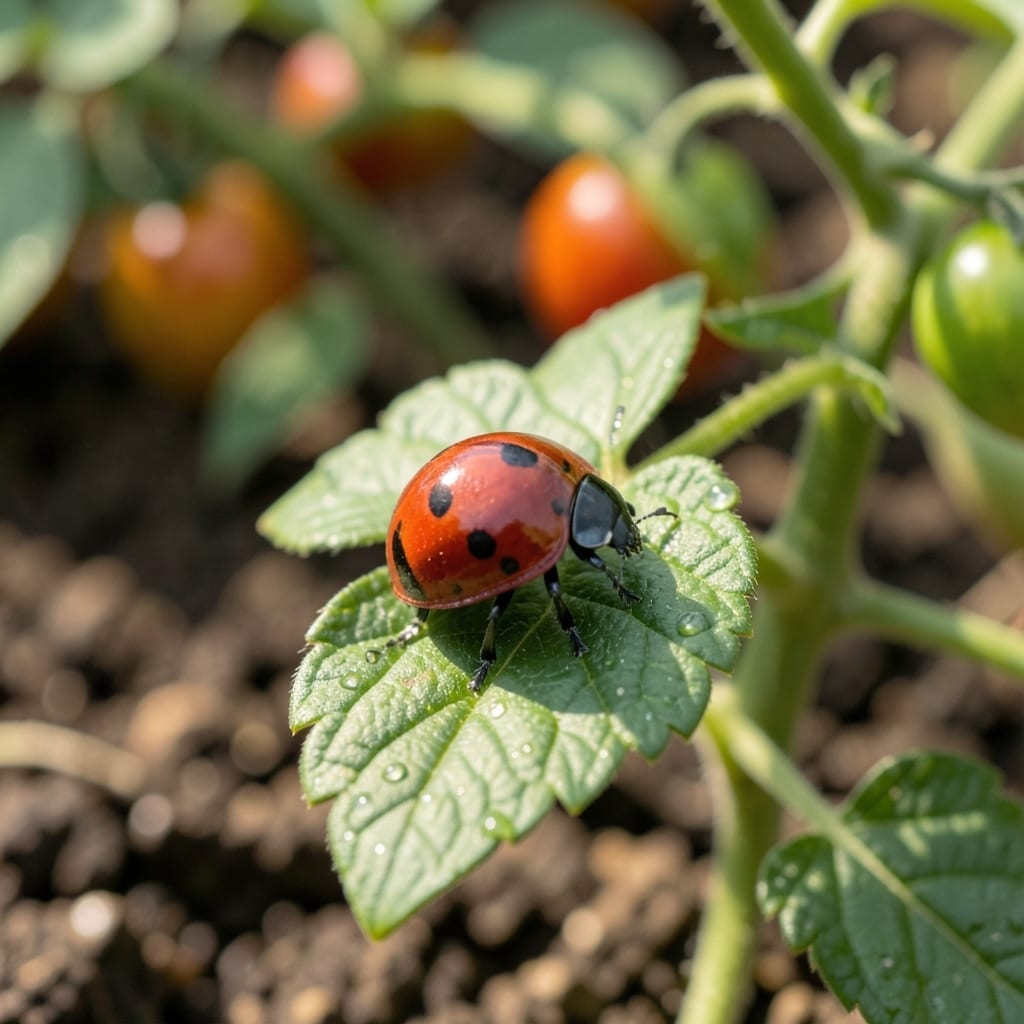
Spotted a tiny red visitor on your plants? I’ve been there—heart sinking, wondering if it’s friend or foe. These little winged bugs can be heroes like ladybugs or troubles like milkweed pests.
First step is identifying the exact type. Ladybugs devour aphids, but others might be munching on your leaves. A quick inspection with a magnifying glass clears up the mystery.
If they’re harmful, organic sprays or manual removal work fast. Beneficial ones? Leave them be. Either way, your plants stay healthy and thriving.
Prevention is simple: encourage beneficial insects, keep plants strong, and stay vigilant. Early action saves the garden every time.
The appearance of little red bugs with wings in your garden or home is often tied to specific environmental and biological factors. Understanding these causes can help you address the issue effectively.
Many small, winged red insects, such as aphids or collembolans, thrive in warm, moist conditions. High humidity accelerates their reproduction, leading to rapid infestations. Greenhouses, overwatered plants, or poorly ventilated spaces are prime breeding grounds.
These bugs are often attracted to decomposing leaves, mulch, or garden debris. As organic material breaks down, it releases nutrients that draw winged pests like clover mites or minute pirate bugs. Regularly clearing plant waste reduces their food sources.
Infestations can start when you bring in new plants from nurseries or outdoor spaces. Some red-winged bugs, like whiteflies or thrips, hitchhike on foliage. Always inspect and quarantine new plants for a few days to prevent spreading pests.
Excess moisture in soil creates ideal conditions for fungus gnats and other tiny red insects. Their larvae feed on fungal growth in damp soil. Ensuring proper drainage and letting soil dry between waterings can deter them.
Dealing with these pests doesn’t have to be a hassle. Here’s how to tackle the most common causes and keep your plants thriving.
If excess moisture is attracting these bugs, let the soil dry out between waterings. Repot plants in well-draining soil and ensure containers have drainage holes. Prevention tip: 💡 Use a moisture meter to avoid overwatering.
Remove dead leaves, fallen petals, and other organic debris where these bugs like to hide. Prune damaged foliage and keep the area clean. Prevention tip: ✨ Regularly inspect plants and clear debris to discourage pests.
Improve ventilation by spacing plants apart and using a small fan if indoors. Stagnant air creates a perfect environment for pests. Prevention tip: 🎯 Place plants in breezy spots or near open windows.
For a quick fix, spray plants with a mix of water and mild soap to dislodge bugs. Neem oil is another effective, natural solution. Prevention tip: 🌿 Apply neem oil weekly as a preventive measure.
No! Many, like ladybugs, are beneficial predators that eat plant pests. Others, such as milkweed bugs, may harm plants but won’t bite humans. Always identify first before taking action.
Look for curled leaves, sticky residue, or tiny holes. Harmful ones often cluster on new growth or undersides of leaves. Check daily to catch issues early.
Use a soap-water spray or neem oil for gentle control. For severe cases, introduce natural predators like ladybugs. Avoid harsh chemicals near edible plants.