
Beautiful Plants For Your Interior
Beautiful Plants For Your Interior
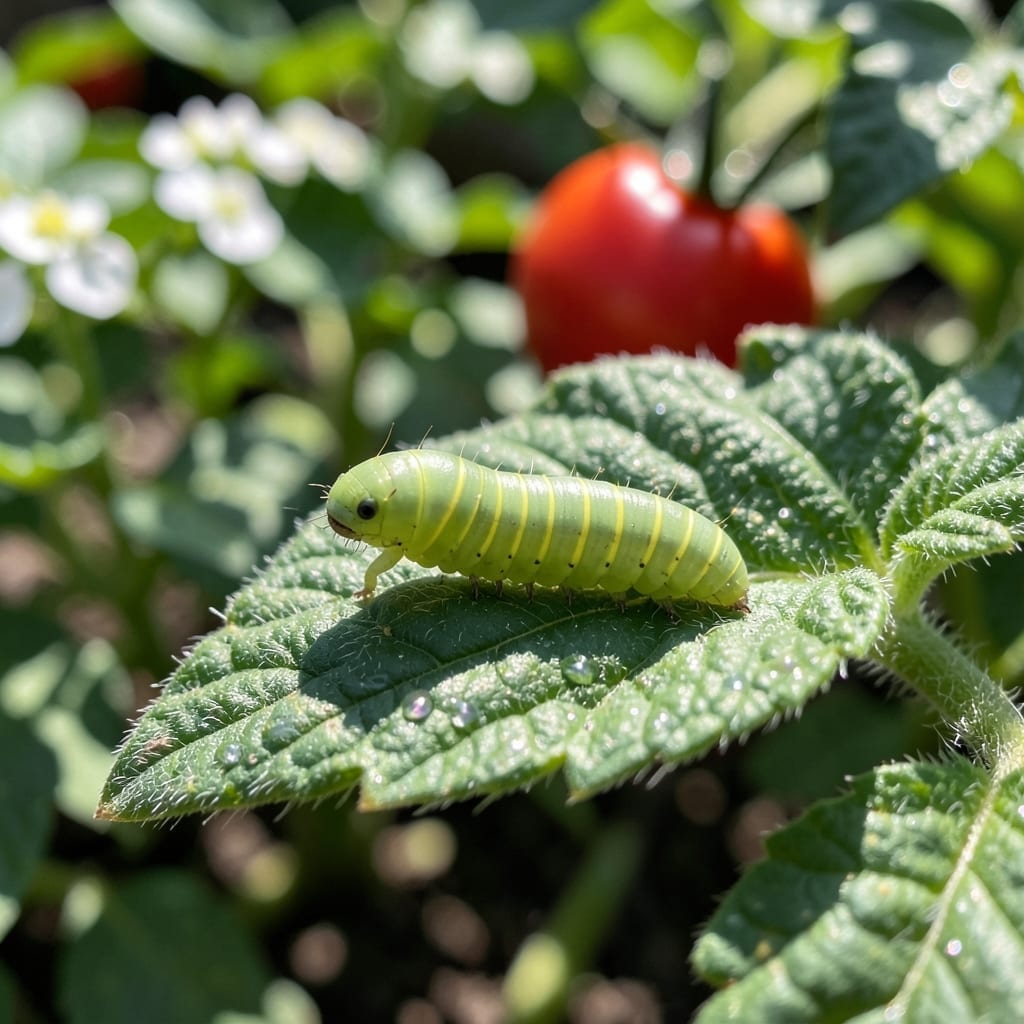
Those little green worms on your plants are probably cabbage loopers or inchworms. I spotted them for the first time on my kale leaves, and they can strip a plant bare in 48 hours if left unchecked.
The good news is they’re easy to spot—look for small, smooth green caterpillars arching their backs as they move. They love leafy greens and cruciferous vegetables, turning your garden into their personal buffet.
You don’t need harsh chemicals to stop them. Hand-picking works surprisingly well, especially in the morning when they’re most active. It’s gross but effective.
For larger infestations, try floating row covers or introducing beneficial insects like parasitic wasps. The key is catching them early before they multiply.
The appearance of little green worms in your garden is often tied to specific environmental and biological factors. Understanding these causes can help you address the issue effectively.
Green worms, such as cabbage loopers or tomato hornworms, thrive in gardens with abundant host plants like cabbage, broccoli, or tomatoes. These plants provide both food and shelter, encouraging moths to lay eggs that hatch into larvae.
A garden lacking beneficial insects like ladybugs, parasitic wasps, or birds can see an increase in green worm populations. These predators naturally control larval numbers by feeding on eggs and young caterpillars.
Warm weather and high humidity create ideal breeding conditions for moths, which lay eggs that develop into green worms. Overwatering or poor drainage can exacerbate this by keeping soil and foliage damp.
Leaving plant debris, fallen leaves, or weeds in the garden provides hiding spots and food sources for worms. Regularly clearing these materials reduces their ability to survive and reproduce.
Dealing with these pests doesn’t have to be a battle. Here’s how to tackle each cause and keep your garden thriving.
If soggy soil is attracting them, let the top inch of soil dry out between waterings. Use a moisture meter to avoid guesswork. Prevention tip: Water in the early morning so excess moisture evaporates during the day. 💡
Remove fallen leaves, mulch, and plant debris where they hide. Keep garden beds tidy and dispose of waste far from plants. Prevention tip: Use a thin layer of mulch (1-2 inches) to deter them without trapping moisture. ✨
Boost plant resilience with balanced fertilizer and proper sunlight. Avoid over-fertilizing, which can attract pests. Prevention tip: Rotate crops yearly to prevent soil depletion and pest buildup. 🎯
Encourage ladybugs, lacewings, or birds by planting pollinator-friendly flowers. Avoid broad-spectrum pesticides that harm helpful insects. Prevention tip: Set up a bird feeder or birdbath to attract natural predators. 🌡️
Plant pest-deterring species like marigolds, basil, or nasturtiums near vulnerable plants. Their strong scents can mask the smell of your crops. Prevention tip: Interplant repellent species every few feet for maximum effect. 🔥
Look for small, smooth green caterpillars about 1/2 to 1 inch long that arch their backs as they move. Check under leaves, where they often hide during the day.
Yes, they chew large holes in leaves and can defoliate plants quickly. Cabbage loopers especially target leafy greens and can ruin a crop in 2-3 days.
Hand-pick them off plants in the morning when they’re sluggish and drop them into soapy water. For larger infestations, use floating row covers to prevent moths from laying eggs.
Yes, if conditions remain favorable. Rotate crops, clean garden debris, and introduce beneficial insects like parasitic wasps to break their life cycle.