
Beautiful Plants For Your Interior
Beautiful Plants For Your Interior
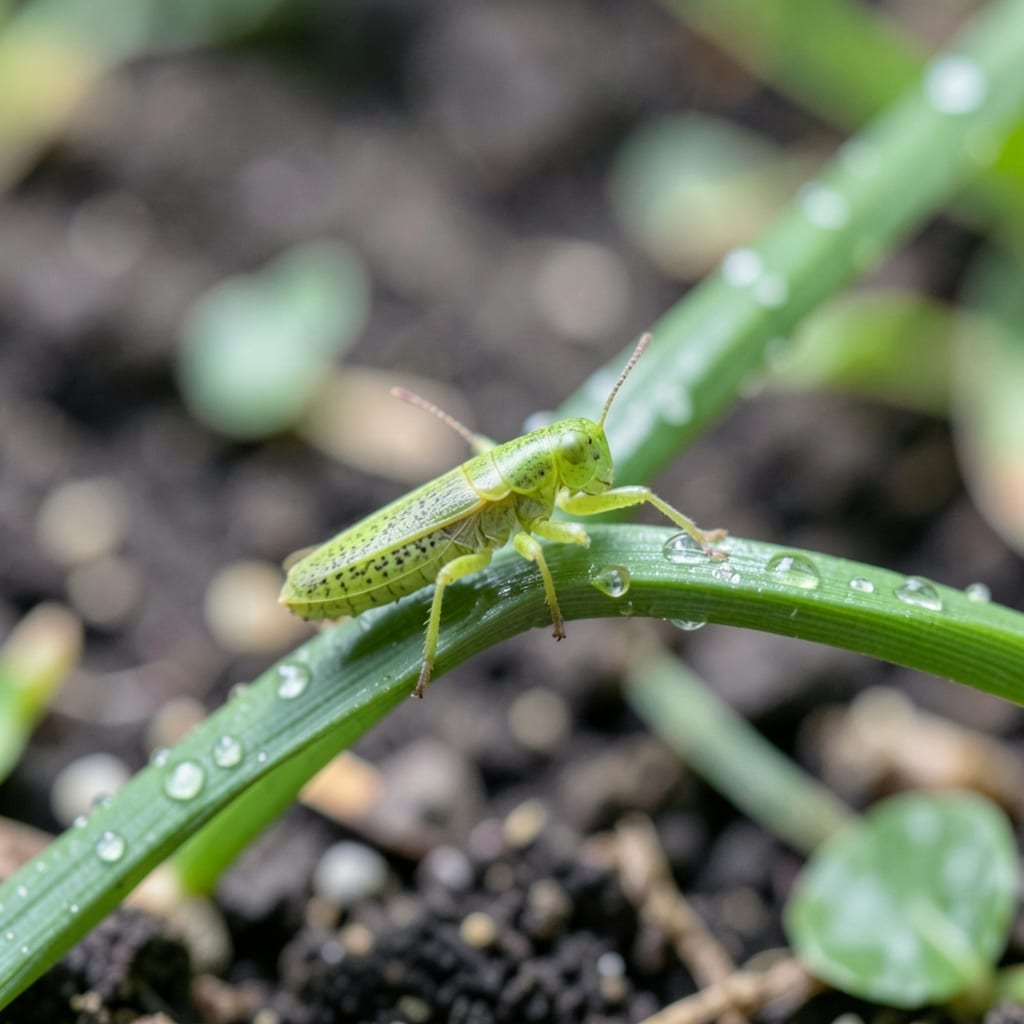
Tiny green invaders can turn a lush lawn into a patchy mess overnight. I first noticed them when my grass started looking like Swiss cheese, and the damage spread faster than I could treat it.
These pests thrive in warm, dry conditions, feeding on grass blades and roots. Left unchecked, they’ll leave brown, irregular patches that expand quickly. The key is catching them early—before they multiply into a full-blown infestation.
Organic control works best for me: beneficial nematodes, neem oil, or even a strong blast of water to dislodge them. Chemical options exist, but I prefer methods that won’t harm the soil or other plants.
Your lawn can recover, but timing matters. Act at the first sign of damage, and you’ll save yourself weeks of frustration.
The appearance of small green insects in your grass is rarely random. These pests thrive under specific environmental and biological conditions. Understanding the root causes helps you disrupt their lifecycle before they multiply.
Excess moisture creates the perfect breeding ground for bugs like aphids or leafhoppers. Soggy soil softens plant tissues, making it easier for pests to feed and lay eggs. Action: Improve drainage with organic matter or adjust irrigation schedules to let soil dry between waterings.
Most green grass bugs reproduce rapidly in temperatures between 70–85°F (21–29°C) with high humidity. These conditions accelerate their metabolism and egg hatching. Action: Monitor weather forecasts and apply preventative measures during peak seasons (spring to early summer).
Lush, fast-growing grass from nitrogen-heavy fertilizers attracts sap-sucking pests. The tender new growth is less resistant to infestations. Action: Switch to balanced, slow-release fertilizers and incorporate compost to strengthen plant defenses naturally.
Monoculture lawns (single grass species) lack natural predators like ladybugs or parasitic wasps that control bug populations. Action: Plant companion species (e.g., clover, marigolds) to invite beneficial insects and break pest cycles.
Dealing with tiny green pests in your garden? Try these targeted, organic solutions to reclaim your lawn and plants without harsh chemicals.
Excess moisture creates the perfect breeding ground for little green grass bugs. Reduce watering frequency and ensure proper drainage. Water deeply but less often—early morning is ideal—to allow the soil to dry between sessions. Fix leaky hoses or sprinklers that pool water in specific areas.
Tall, dense grass provides shelter for these pests. Mow your lawn regularly, keeping the height at 2–3 inches to discourage infestations. Aerate compacted soil to improve airflow and reduce moisture buildup, making your lawn less inviting for bugs.
Encourage or introduce natural predators like ladybugs, lacewings, or nematodes. These beneficial insects feed on garden pests, including green grass bugs. Plant pollinator-friendly flowers such as marigolds or daisies to attract them. Avoid broad-spectrum pesticides that harm these helpful allies.
For a quick fix, spray affected areas with neem oil or insecticidal soap. Mix 1 tablespoon of mild liquid soap with 1 quart of water, or follow the neem oil product instructions. Apply in the early morning or late evening to avoid harming beneficial insects. Reapply every 5–7 days or after rain.
Prevention Tips:
They’re typically 1/8 to 1/4 inch long, bright green, and may have slender bodies or tiny wings. Some resemble miniature grasshoppers or aphids. Use a magnifying glass to spot their distinctive shape and movement.
They gather where food is abundant, like new growth or overwatered areas. Females lay eggs in groups, so infestations often start small then explode. Check damp, shaded spots first.
Yes! While they prefer grass, they’ll attack vegetables, flowers, and shrubs if populations grow. Act fast to prevent them from spreading to gardens or landscape plants.
Most feed during the day, but some species are more active at dawn or dusk. Inspect your lawn in the early morning when they’re slower and easier to spot.