
Beautiful Plants For Your Interior
Beautiful Plants For Your Interior
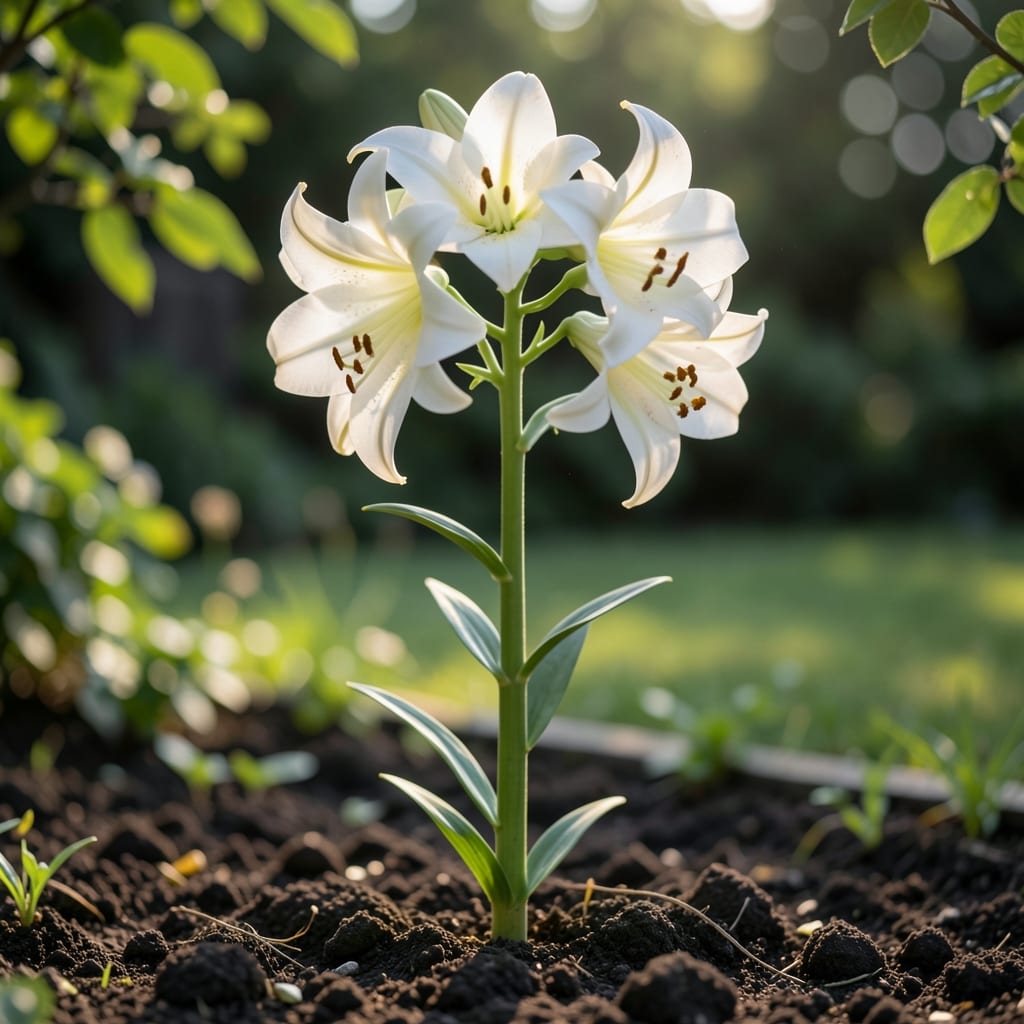
A lily with no leaves often indicates stress from overwatering, poor drainage, or disease. Check the bulb health and adjust care conditions to encourage regrowth.
In my experience, lilies often shed leaves as a survival response to environmental stressors like soggy soil or root rot. 🌱 The bulb may still be viable if it feels firm, but yellowing or mushy textures signal deeper issues. I’ve seen cases where simply improving drainage with perlite or sand revived seemingly lifeless plants within weeks.
💡 In This Article
Overwatering tops the list because it suffocates the roots, preventing oxygen uptake. When soil stays soggy for more than 48-72 hours, root rot sets in, and the plant can’t support foliage. A healthy lily bulb needs well-draining soil with moisture that dries slightly between waterings. 🔥
Fungal diseases like botrytis blight or root rot attack stressed plants, especially in humid conditions. These pathogens spread quickly, turning leaves yellow or brown before they drop. Pests such as aphids or lily leaf beetles also feast on foliage, leaving skeletonized or missing leaves. ✨
Seasonal dormancy is natural for many lily varieties. After blooming, some species enter a rest period where foliage dies back to conserve energy for the next growing cycle. This typically happens in late summer or fall, but the bulb remains alive underground. Nutritional deficiencies, like low nitrogen or potassium, can also cause gradual leaf loss.
💫
Environmental stress matters too. Sudden temperature drops below 50°F or extreme heat above 90°F can shock the plant. Poor light conditions, either too little or too much direct sun, weaken the lily’s ability to photosynthesize and sustain its leaves. 🌟
What most gardeners miss is the soil pH balance. Lilies thrive in slightly acidic to neutral soil (6.0-7.0 pH). When the pH drifts too far in either direction, nutrient uptake fails, starving the plant and leading to leaf drop over time. ⚡
A healthy bulb feels firm and plump to the touch. If it’s mushy or has dark spots, it’s likely rotting.
Use 60% potting soil and 40% perlite or sand for optimal drainage. Avoid heavy clay soils that retain too much moisture.
Water lightly after repotting, then wait until the top 1-2 inches of soil are dry. Overwatering is a common mistake.
With proper care, new shoots may appear in 2-3 weeks. If nothing emerges, check the bulb for rot or disease.
Trim away all black or slimy roots and repot in fresh soil. If the rot has spread to the bulb, recovery is unlikely.