
Beautiful Plants For Your Interior
Beautiful Plants For Your Interior
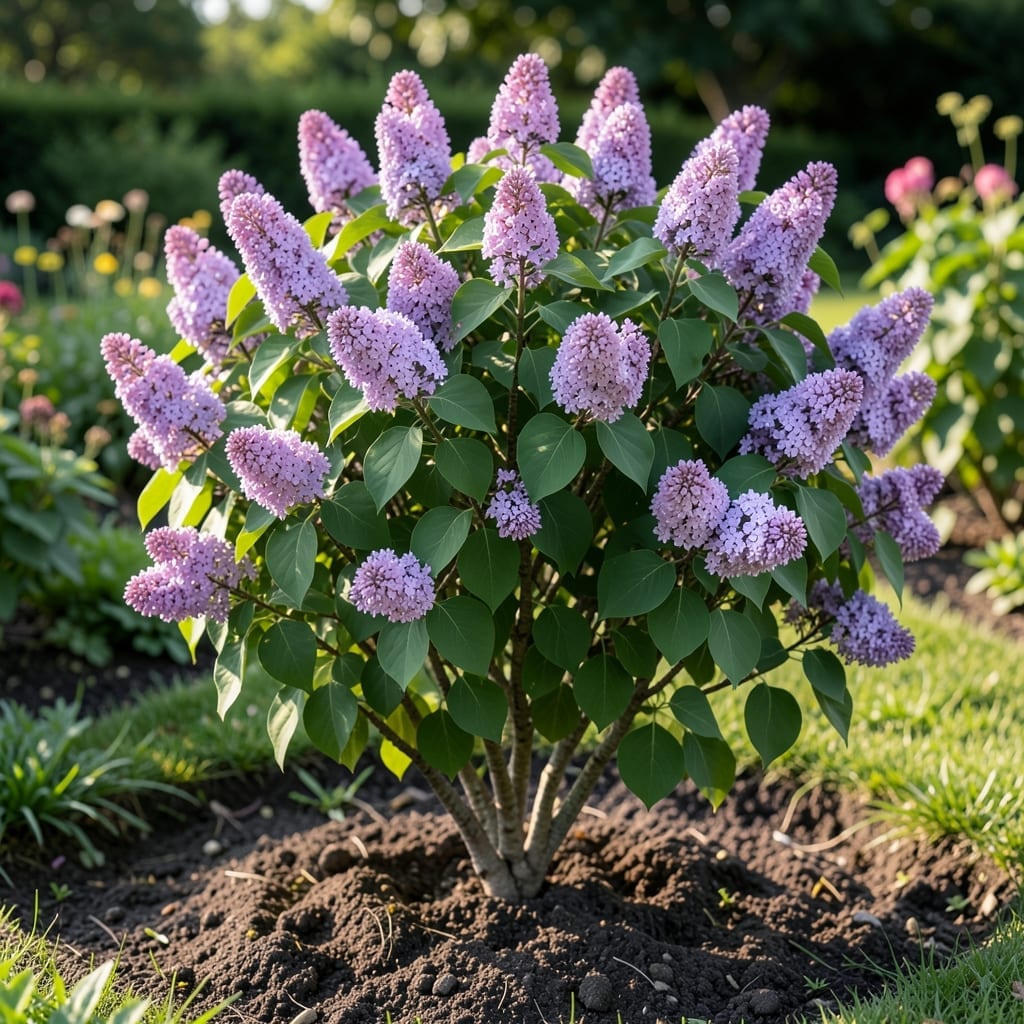
Nothing signals the arrival of spring quite like the intoxicating scent of 🌸 Lilac in full bloom. These beloved flowering shrubs mark the season with their vibrant colors and sweet fragrance.
I remember my first encounter with a lilac bush in April—it was love at first sniff. That experience sparked my obsession with tracking their fleeting but magical season.
What many don’t realize is that timing varies by region. In zones 4-8, you’ll typically catch their peak from mid-spring to early summer, but local climate plays a big role.
Discover how to find the best displays near you and learn simple tricks to extend their beauty in your own garden. Let’s make this your most fragrant spring yet.
If you’re wondering when to catch that perfect lilac fragrance, timing depends heavily on your USDA hardiness zone. These shrubs typically bloom for just 3-4 weeks each spring.
In zone 4, expect blooms from mid-May to early June. Warmer zone 8 regions see flowers as early as late March, while cooler areas may wait until June.
| Zone | Bloom Start | Peak Season |
|---|---|---|
| 4-5 | Mid-May | Late May |
| 6-7 | Early May | Mid-May |
| 8 | Late March | Early April |
Early varieties like Sensation often bloom 1-2 weeks before common purple lilacs. These are perfect for gardeners eager to extend their lilac season.
Late-blooming types, such as Miss Kim, can push your enjoyment into early summer. This Korean lilac variety thrives in warmer climates.
Climate factors like spring warmth and sunlight exposure can shift bloom times by several days. A sunny, south-facing location may see flowers 1 week earlier than a shady spot.
I’ve noticed that urban areas with heat islands often experience earlier blooms than rural locations. This can create a 2-week difference in the same zone.
The duration of bloom also varies by variety. While most lilacs flower for 3 weeks, some hybrids like Bloomerang offer a second flush in summer.
For the longest season, I recommend planting multiple varieties. Combine early, mid, and late bloomers to enjoy 6+ weeks of continuous fragrance.
Remember that established shrubs bloom more reliably than young plants. A 3-year-old lilac will typically produce more flowers than a newly planted one.
To maximize your lilac experience, plan garden visits or cuttings during the peak 10-day window when fragrance is strongest and blooms are most abundant. ☀️
If you’re eager to experience lilacs in season, public gardens and botanical parks are your best bet. I’ve found that places like the Arnold Arboretum in Boston or the Lilac Time Festival in Rochester, NY, offer breathtaking displays.
These locations showcase a variety of lilac types, from the classic common purple to rare double-bloom cultivars. Each variety has its own unique fragrance and color intensity, making every visit a new experience.
For home gardeners, I recommend starting with Syringa vulgaris, the common lilac. It’s hardy in zones 4-8 and produces those iconic fragrant blooms we all love.
If you prefer something unique, try Syringa ‘Sensation’ with its striking purple-and-white bicolor flowers. Or go for Syringa ‘Miss Kim’, a compact variety perfect for smaller spaces.
Don’t forget local nurseries—they often carry regionally adapted varieties. I’ve had great luck finding dwarf lilacs at my nearby garden center, which fit beautifully in my landscape.
No matter where you source them, planting lilacs in well-draining soil with full sun ensures the best blooms. A little planning goes a long way in enjoying these spring beauties year after year. 🌿