
Beautiful Plants For Your Interior
Beautiful Plants For Your Interior
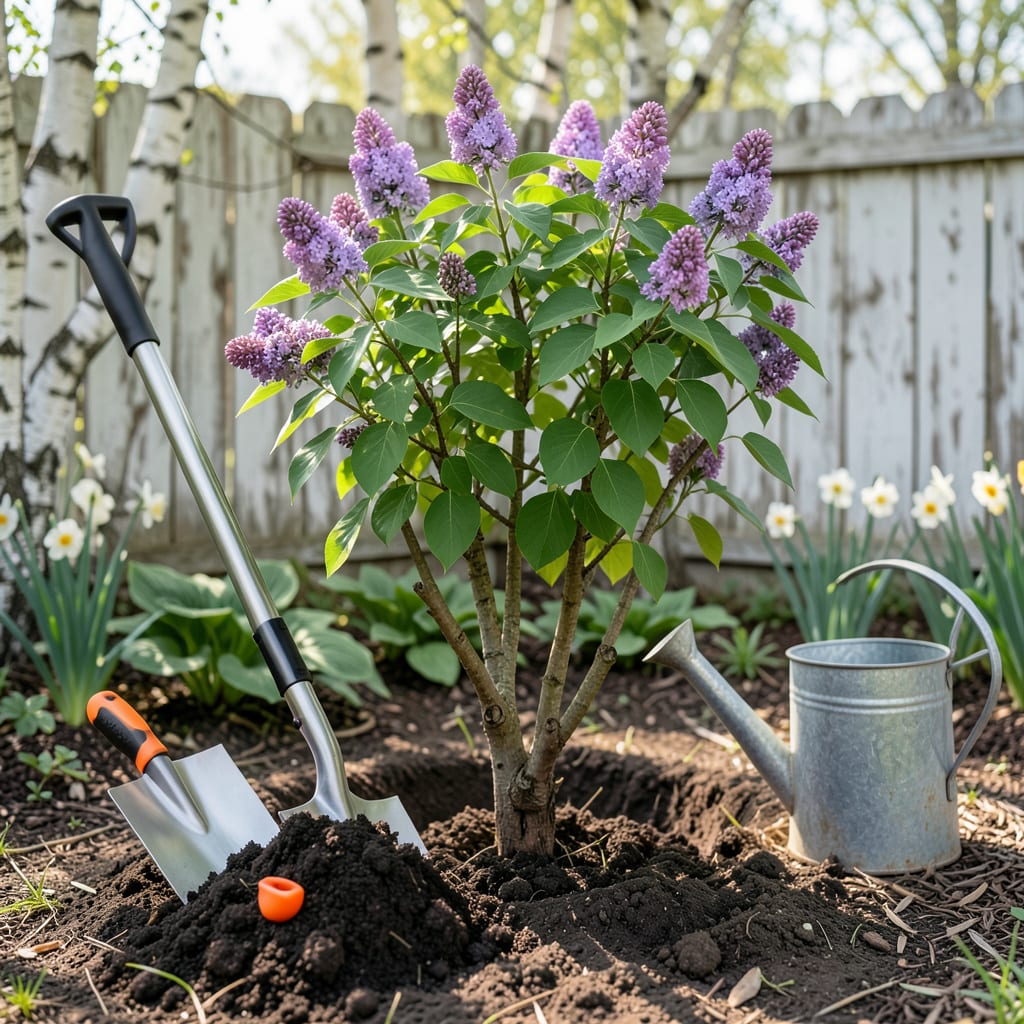
If you’ve ever dreamed of a yard bursting with fragrant 💜 lilac blooms each spring, timing your planting in Illinois is the secret. Plant too late, and harsh winters could damage young roots. Plant too early, and summer heat might stress your shrubs before they establish.
I’ve helped dozens of Midwest gardeners get this right, and the sweet spot is all about working with Illinois’ Zone 5 climate. Whether you’re in Chicago or Southern IL, I’ll show you exactly when to dig in—and why that timing makes all the difference for years of vibrant blooms.
If you’re dreaming of a yard filled with fragrant lilac blooms every spring, timing your planting just right in Illinois’ Zone 5 climate is key. Lilacs thrive when given a chance to establish roots before extreme heat or cold hits. I’ve found that early fall is ideal, but spring can work too if you’re strategic.
The secret lies in soil temperature and frost dates. In Illinois, our last spring frost typically hits around mid-April, while the first fall frost arrives by mid-October. Planting 6 weeks before the first frost gives roots time to settle in without stress.
For Northern Illinois (like Chicago), aim to plant by early October. The soil stays warm longer than the air, which encourages root development. In Central Illinois, you’ve got a bit more flexibility—planting by mid-October still gives roots a head start.
If you miss the fall window, early spring planting is your backup. Just be sure to plant as soon as the ground thaws—usually late March to early April. Avoid waiting until May, when rising temps can shock young plants before they’re established.
I always check the 10-day forecast before planting. If nighttime temps are consistently above 40°F, you’re in the clear. Lilacs are tough, but young roots hate freezing. A light mulch after planting helps insulate soil and retain moisture during those critical first weeks.
One mistake I see often? Planting too late in spring. If you’re buying bare-root lilacs, get them in the ground before buds swell. Container-grown plants have more flexibility, but even they need time to acclimate before summer. Trust me—rushing leads to stunted growth or weak blooms.
For Southern Illinois gardeners (Zone 6), you’ve got a slight edge. Your longer growing season means you can plant a bit later—up to late October for fall or early May for spring. But don’t push it: heat tolerance isn’t lilacs’ strong suit.
If you’re unsure about your exact frost dates, use the USDA Plant Hardiness Zone Finder or check with your local University of Illinois Extension office. They’ve got hyper-local data that’s pure gold for timing. And remember: well-drained soil and full sun (6+ hours) are non-negotiable for thriving lilacs.
Once planted, water deeply once a week (about 1-2 inches) unless rain does the job. Skip the fertilizer at planting—lilacs hate rich soil initially. Instead, focus on mulching with shredded bark to keep roots cool and moist. Come next spring, you’ll be rewarded with scented clusters that’ll make your neighbors jealous! 🌿
Now that you know when to plant, let’s talk about how to plant lilacs in Illinois for those show-stopping blooms. The key starts with site selection—lilacs crave full sun (6+ hours daily) and well-drained soil. Avoid low spots where water pools after rain.
In Illinois, our clay-heavy soil can be a challenge. I always amend the planting hole with compost or aged manure to improve drainage. A soil pH between 6.5-7.0 is ideal—test yours with a kit from your local garden center. If it’s too acidic, add lime a few weeks before planting.
Make it twice as wide as the root ball but no deeper. For Illinois clay, loosen sides to help roots spread.
Place lilac so the root flare sits 1-2 inches above soil level. This prevents rot in our wet springs.
Fill hole with native soil, water deeply, then add more soil. This eliminates air pockets that stress roots in Illinois’ freeze-thaw cycles.
Add 2-3 inches of mulch (shredded bark works best). In windy areas, stake tall varieties to prevent root disturbance.
After planting, water deeply once a week (about 1-2 inches) for the first month. Illinois summers can be brutal, so I recommend a soaker hose to deliver water directly to roots. Avoid overhead watering—it promotes powdery mildew, a common lilac issue in our humid climate.
For container-grown lilacs, transition them gradually to outdoor conditions. Place pots in partial shade for a week before planting. This hardens them off and reduces transplant shock. If planting bare-root lilacs, soak roots in water for 2-3 hours before going in the ground.
Don’t fertilize at planting—lilacs prefer lean soil initially. Instead, top-dress with compost in early spring of the second year. Prune only to remove dead wood the first season; heavy pruning delays blooms. By year three, you’ll see those iconic purple clusters that make Illinois springs so magical! 🌿
For long-term success, pair lilacs with drought-tolerant perennials like coneflowers or Russian sage. These companions thrive in similar conditions and extend your garden’s color season. And remember: lilacs can live 50+ years—choose your spot wisely!
Not all lilacs thrive equally in Illinois’ Zone 5 climate, where humid summers and freezing winters test even the toughest plants. After years of testing, I’ve found these top-performing varieties that handle our temperature swings and clay-heavy soil like champs. The right choice means fewer headaches and more fragrant blooms for decades.
For classic purple blooms, you can’t beat ‘Sensation’—its deep, bicolor flowers and strong fragrance make it a Midwest favorite. If you want compact size (perfect for urban yards), ‘Miss Kim’ stays under 6 feet tall but packs a punch with intense fragrance. Both resist powdery mildew, a common issue in our humid summers.
For white lilac lovers, ‘President Lincoln’ offers stunning blue-tinged blooms on strong stems—perfect for cutting. Its 10-12 foot height makes it ideal for privacy hedges. If you crave extended color, ‘Bloomerang’ is a game-changer, producing flowers in spring AND fall in Illinois’ climate. Just give it full sun and well-drained soil.
In Southern Illinois (Zone 6), you can push the envelope with heat-tolerant varieties like ‘Lavender Lady’. Its pale purple blooms thrive in warmer areas and resist humidity-related diseases. For Northern Illinois, stick with cold-hardy picks like ‘Charles Joly’—its deep magenta blooms laugh at sub-zero temps and late frosts.
No matter which variety you choose, proper spacing is critical. Most lilacs need 8-12 feet between plants for airflow (prevents mildew). In windy areas, plant in groups of 3+ to create a natural windbreak. And here’s my secret: plant near a patio to enjoy that intoxicating fragrance every spring! 🌿
For low-maintenance gardeners, ‘Miss Kim’ and ‘Bloomerang’ require minimal pruning. Just remove dead wood in early summer after blooming. Avoid heavy pruning in fall—it removes next year’s flower buds. With the right variety and care, your Illinois lilacs will reward you with decades of color and scent!
Early fall (September-October) is ideal because warm soil and cool air help roots establish before winter. Spring works too, but plant before mid-April to avoid heat stress. Fall gives lilacs a head start for next year’s blooms.
Most varieties need 8-12 feet between plants for airflow and growth. Dwarf types like ‘Miss Kim’ can be spaced 6 feet apart. Proper spacing prevents mildew and ensures full, healthy blooms for decades.
It’s risky in Illinois summers—heat and drought stress young plants. If you must, choose container-grown lilacs, plant in partial shade, and water daily for the first month. Fall remains the safer bet.
Yes! Our clay-heavy soil needs amending. Mix in compost or aged manure to improve drainage. Aim for a pH of 6.5-7.0—test with a kit and add lime if too acidic. Well-drained soil prevents root rot.
