
Beautiful Plants For Your Interior
Beautiful Plants For Your Interior
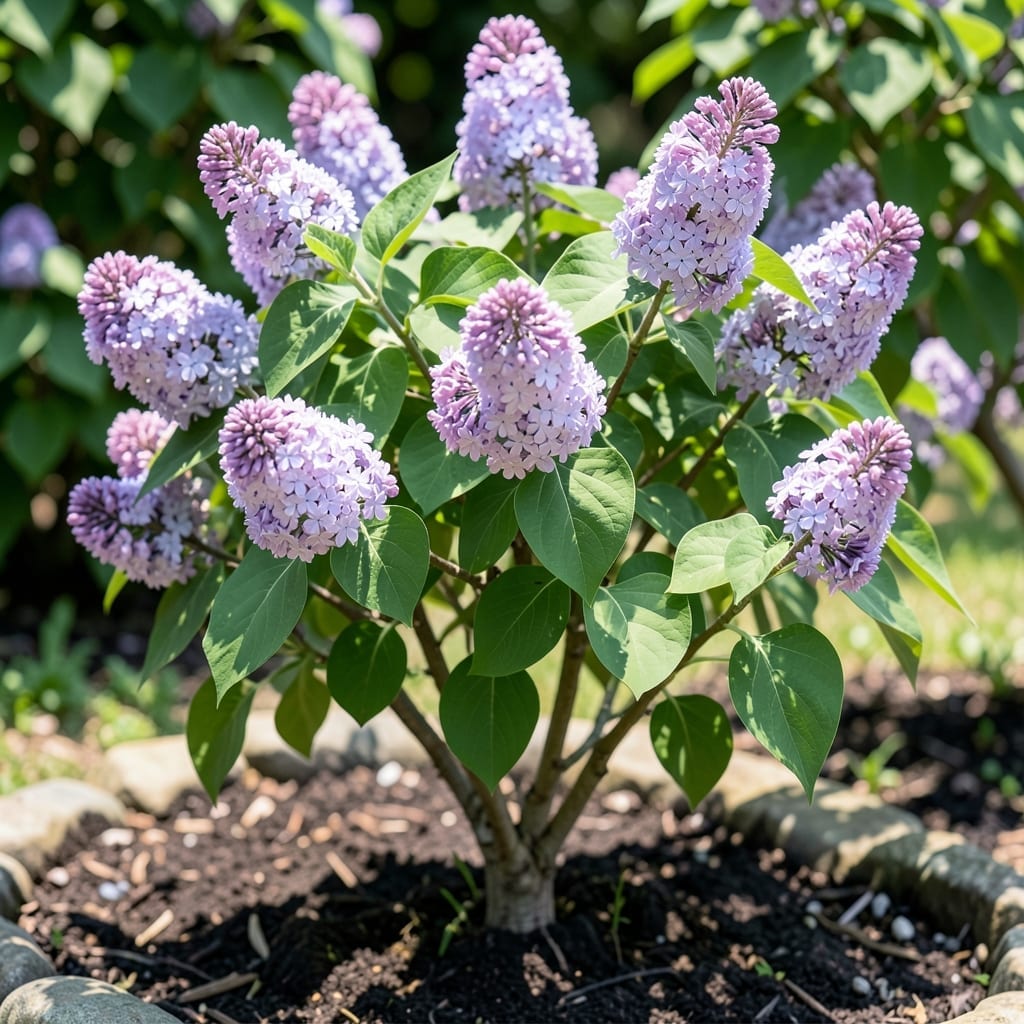
Nothing beats the sight of a 🌸 Lilac in full bloom, its vibrant colors and sweet fragrance filling the air. But here’s the thing: without the right sunlight, your shrub might never reach that spectacular display.
I’ve seen too many gardeners plant their Lilacs in shady spots, only to wonder why they’re not thriving. The truth is, these beauties have very specific light needs that most people overlook.
Understanding what your Lilac requires could mean the difference between a lackluster plant and one that becomes the star of your garden. It’s not just about survival – it’s about helping your shrub flourish.
Discover exactly how much sun your Lilac needs and why it’s so crucial for those stunning spring blooms. Your garden will thank you.

If you want your lilac bushes to thrive, sunlight is non-negotiable. These woody shrubs crave full sun, meaning at least 6+ hours of direct light daily for the best blooms and strongest growth.
In my experience, morning sun is especially valuable because it dries dew quickly, reducing the risk of fungal diseases like powdery mildew. A south-facing spot is ideal, but east or west exposure can also work if it meets the hour requirement.
| header-cell” style=”text-align:left”>Specification | |
|---|---|
| row”> | cell” style=”text-align:left”>Full Sun |
| row”> | cell” style=”text-align:left”>4 hours (weak blooms) |
| More in spring |
While 4 hours of sun might keep a lilac alive, it won’t produce those lush, fragrant blooms we all love. I’ve seen firsthand how shade-tolerant varieties like ‘Bloomerang’ can manage with less, but they still perform best in full sun.
The intensity of light matters too. In hotter climates, like USDA zones 7-8, afternoon shade can prevent scorching. But in cooler zones 3-6, maximize sun exposure for the most vibrant flowers.
For young lilac plants, I recommend starting them in a spot with consistent sun. This helps establish a strong root system early on. Once mature, they’re more drought-tolerant but still need that sunlight to fuel growth.
If your garden has partial shade, don’t despair. You can supplement with reflective mulches or position plants near light-colored walls to bounce extra light their way. This trick has saved many of my clients’ lilacs in tricky spots.
Remember, sunlight affects bloom time. Lilacs in full sun often flower 1-2 weeks earlier than those in partial shade. If you’re in a region with short growing seasons, every extra hour of sun counts.
Finally, observe your specific microclimate. Urban areas with heat islands or rural spots with cool breezes can change the game. Adjust accordingly, and your lilacs will reward you with spectacular spring displays.
☀️In my years of gardening, I’ve learned that lilacs are forgiving but not indestructible. Give them the sun they need, and they’ll flourish for decades with minimal care. 🌸
If your lilac bush isn’t thriving, insufficient sunlight might be the culprit. These plants need full sun to produce their signature fragrant blooms, so shade can stunt growth.☀️
Watch for sparse flowers, weak stems, or pale leaves—these are classic signs of light deprivation. Even 6 hours of sun daily may not be enough for some varieties.
⚠️ Warning: Low Light Risks
Without full sun, lilacs may develop fewer blooms, thinner foliage, or increased disease susceptibility. Relocate if needed!
Another red flag is leggy growth—when stems stretch abnormally tall while leaves remain small. This happens as the plant “reaches” for light in shady spots.
To fix the issue, prune nearby trees or transplant to sunnier areas. South-facing spots are ideal, but east/west exposure can work with 6+ hours of light.
Remember, morning sun is best—it dries dew quickly, reducing fungal risks. If your lilac still struggles, check for soil drainage or nutrient deficiencies too.🌿
With the right adjustments, you’ll see fuller blooms and healthier growth next season. Patience and sunlight are key for these hardy perennials!🌱