
Beautiful Plants For Your Interior
Beautiful Plants For Your Interior
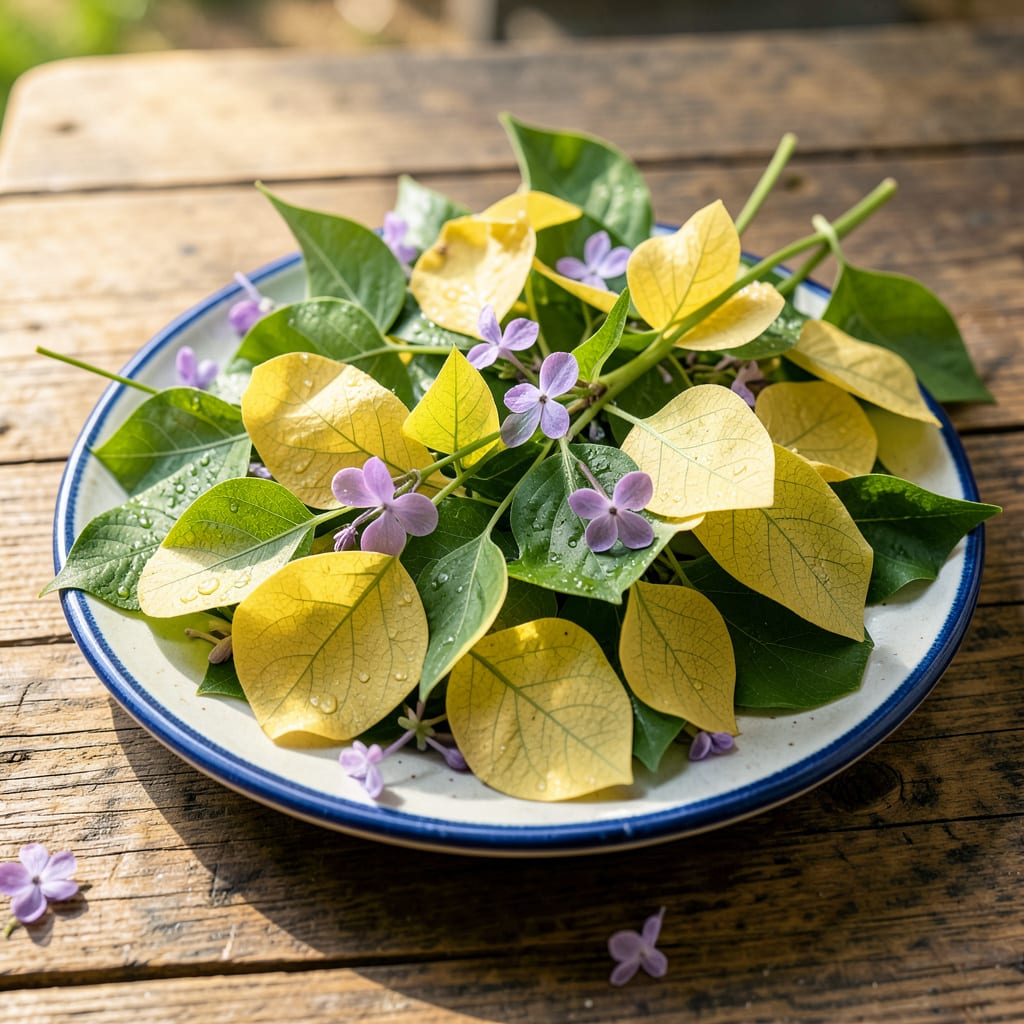
Yellow leaves on your lilac bush aren’t just unsightly—they’re a cry for help. I’ve nursed dozens of these shrubs back to health, and the solution is always simpler than you think.
This usually comes down to too much water, not enough nutrients, or soil that’s too alkaline. The good news? You can fix all three with a few basic adjustments and some 30-minute troubleshooting.
Once you pinpoint the issue, you’ll see fresh green growth within 2-3 weeks. The plant bounces back fast when given what it actually needs.
Works for established shrubs or new plantings. Here’s how to diagnose and treat the problem for good.
Lilac leaves turning yellow is often a sign of underlying stress or imbalance. Below are the most common causes, explained with actionable insights.
Excess moisture suffocates roots, preventing oxygen uptake and leading to chlorosis (yellowing). Lilacs prefer well-draining soil—soggy conditions cause root rot, which disrupts nutrient transport. Check soil moisture before watering; if it’s damp 2 inches down, hold off.
Yellow leaves often signal a lack of nitrogen (uniform yellowing) or iron (yellowing between veins). Nitrogen supports chlorophyll production, while iron is critical for enzyme function. Test soil pH—lilacs thrive in slightly alkaline (6.5–7.5) conditions. Amend with compost or iron chelates if needed.
Extreme heat, drought, or sudden temperature swings can trigger leaf yellowing. Lilacs are hardy but struggle in waterlogged or compacted soil. Ensure they receive full sun (6+ hours daily) and mulch to retain moisture without smothering roots.
Sap-sucking pests like aphids or scale insects drain nutrients, causing yellowing. Fungal diseases (e.g., powdery mildew) also stress the plant. Inspect leaves for spots, webbing, or sticky residue. Treat with neem oil or insecticidal soap if pests are present.
Addressing yellowing lilac leaves starts with identifying the root cause. Here’s a practical guide to common fixes and prevention tips.
If the issue is a lack of iron or nitrogen, amend the soil with a balanced fertilizer (10-10-10) or chelated iron supplements. Test soil pH first—lilacs thrive in slightly alkaline to neutral soil (6.5–7.5). For quick relief, apply a foliar spray of liquid iron. Prevention tip: Mulch with compost annually to maintain nutrient levels. 💡
Yellow leaves with soft, droopy stems often signal overwatering. Let the top 2–3 inches of soil dry out between waterings. Improve drainage by mixing in sand or perlite, or transplant to a raised bed. Prevention tip: Water deeply but only once a week (adjust for rainfall) and ensure pots have drainage holes. ⏰
For fungal issues like powdery mildew or verticillium wilt, remove infected leaves and apply a copper-based fungicide. Prune affected branches in dry weather to prevent spread. Prevention tip: Space plants for airflow and avoid overhead watering. Keep the base dry by watering at soil level. ✨
Inspect leaves for aphids, scale, or borers. Blast off pests with a strong water spray, or use insecticidal soap or neem oil for severe infestations. Prevention tip: Encourage beneficial insects like ladybugs and lacewings by planting companion flowers. 🎯
Yes, lilacs need well-draining, slightly alkaline soil with a pH of 6.5–7.5. Compacted or clay-heavy soil can suffocate roots and block nutrient uptake. Test your soil and amend with compost or lime if needed.
Water deeply once a week, allowing the top 2–3 inches of soil to dry out between waterings. Overwatering is a common cause of yellowing, so always check moisture levels first.
Check for aphids, scale insects, or borers, which drain nutrients and stress the plant. Look for sticky residue, webbing, or visible bugs on leaf undersides. Treat with neem oil or insecticidal soap if found.
Lilacs thrive in full sun, but extreme drought or heat stress can lead to yellowing. Ensure 6+ hours of sunlight daily and mulch to retain moisture. Shade cloth can help during heatwaves.
