
Beautiful Plants For Your Interior
Beautiful Plants For Your Interior
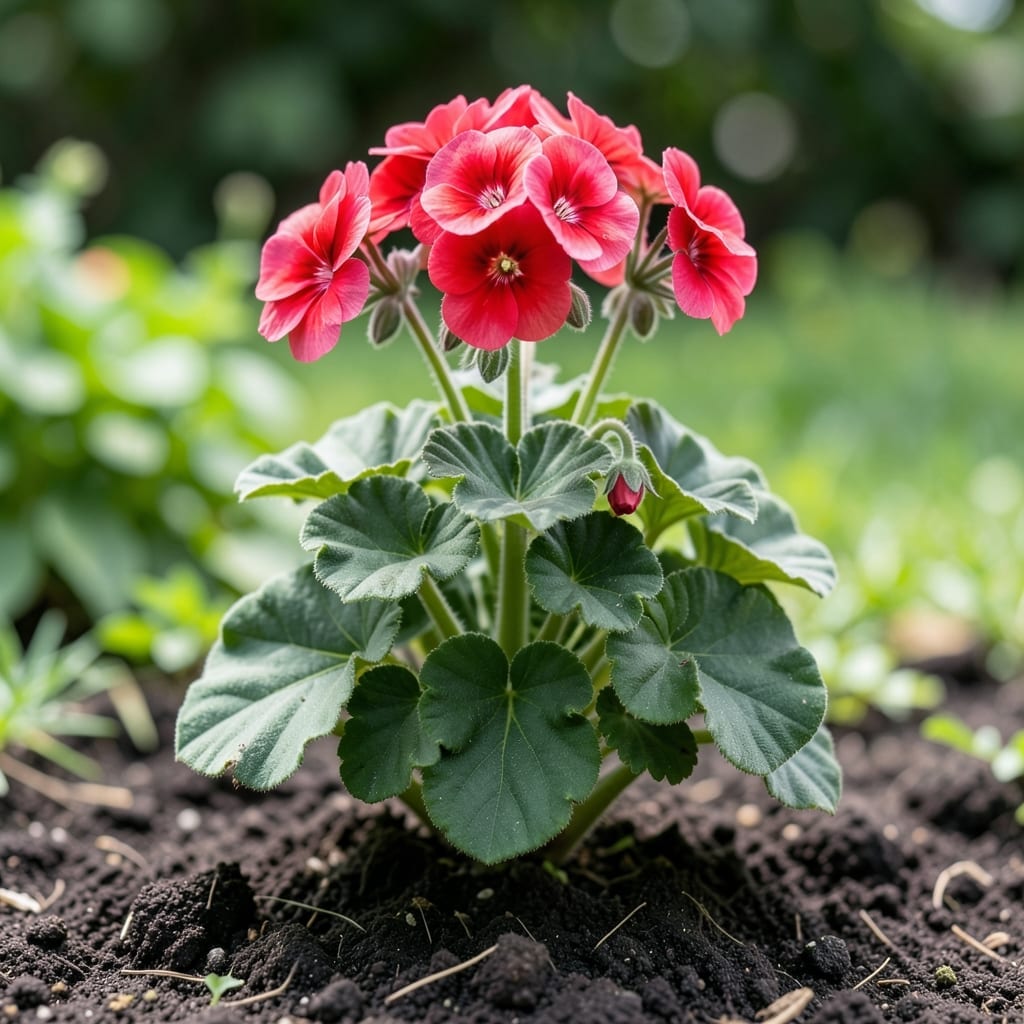
Ever notice how Geraniums 🌸 seem to glow in some gardens while struggling in others? The difference often comes down to light. These vibrant bloomers have specific needs when it comes to sunlight.
I’ve seen firsthand how the right exposure transforms Geraniums from leggy and pale to bushy and covered in flowers. It’s not just about quantity—timing and intensity matter too.
Whether you’re growing them on a sunny windowsill or in your backyard, understanding their light preferences is the key to success. The good news? They’re more adaptable than you might think.
Let me walk you through what works best so you can enjoy those lush blooms from spring through fall. You’ll be amazed at how responsive these plants are to the right conditions.


Geraniums are sun-loving plants that truly shine when given the right light. I’ve found they thrive best with 6-8 hours of sunlight daily, which encourages vibrant blooms and compact foliage growth. Without adequate light, they can become leggy and weak.
These hardy flowers can tolerate partial shade, especially in hotter climates where afternoon sun can be intense. A little afternoon shade prevents leaf scorch while still allowing them to flourish. This makes them versatile for various garden settings.
| Requirement | Specification |
|---|---|
| Ideal Sunlight | 6-8 hours daily |
| Light Type | Direct or bright indirect |
| Shade Tolerance | Afternoon shade in hot climates |
| Indoor Placement | South-facing window |
In my experience, morning sun is particularly beneficial for geraniums. It provides the gentle warmth they need without the harshness of midday rays. This is especially true in regions with intense summer heat, where afternoon shade can be a lifesaver.
For those growing geraniums indoors, a south-facing window is your best bet. It offers the bright, consistent light these plants crave. If that’s not an option, supplemental grow lights can work wonders, especially during shorter winter days.
I’ve noticed that geraniums grown in too much shade tend to produce fewer flowers and longer stems as they stretch toward the light. This is a clear sign they’re not getting enough sun. Moving them to a brighter spot usually perks them up within a few weeks.
In cooler climates, geraniums can handle full sun all day without issues. The extra light compensates for the lower temperatures, helping them maintain their vibrant color and compact growth habit. Just ensure they’re in well-draining soil to prevent waterlogging.
If you’re planting geraniums in containers, you have the advantage of mobile light adjustment. Move pots to follow the sun or provide shade as needed. This flexibility is perfect for balcony gardens or patios where light conditions change throughout the day.
For outdoor beds, consider the microclimate of your garden. Areas near reflective surfaces like walls or fences can provide extra warmth and light, which geraniums love. Just watch for heat stress in peak summer.
Finally, remember that seasonal changes affect light availability. In spring and fall, geraniums may need more sun to compensate for cooler temps. In summer, especially in USDA zones 8-11, a bit of shade can prevent stress and keep blooms looking fresh.
With the right balance, your geraniums will reward you with months of colorful blooms and healthy green leaves ☀️
When geraniums lack proper light, they send clear distress signals. Look for leggy stems stretching toward light sources, which indicates they’re desperate for more sun. This weak growth often accompanies pale leaves and sparse blooming. ☀️
Yellowing leaves can also appear, though this could mean overwatering too. The key difference? Light-deprived plants will have uniform pale color across all foliage, not just lower leaves. Check for smaller than normal flowers as well. 🌱
⚠️ Light Deficiency Alert
Leggy stems and fewer blooms mean your geraniums need more sun. Move to a brighter spot gradually to avoid shock.
Another telltale sign is stunted growth. Healthy geraniums typically grow 1-2 feet tall, but light-starved plants may stay small. Compare your plant to others in better light conditions. You’ll likely notice the difference immediately. 🌿
Don’t confuse light issues with nutrient deficiencies. While both can cause poor growth, light problems affect the entire plant uniformly. Nutrient issues often show up as spotted leaves or discoloration in specific areas first.
If you’re growing geraniums indoors, south-facing windows are ideal. But even there, you might need to rotate plants weekly for even light distribution. North-facing windows rarely provide enough light for good blooming.
For outdoor plants, observe how sunlight patterns change with seasons. What gets 6 hours of sun in summer might only get 4 in spring or fall. Adjust plant locations as needed to maintain optimal light exposure. 🪴