
Beautiful Plants For Your Interior
Beautiful Plants For Your Interior
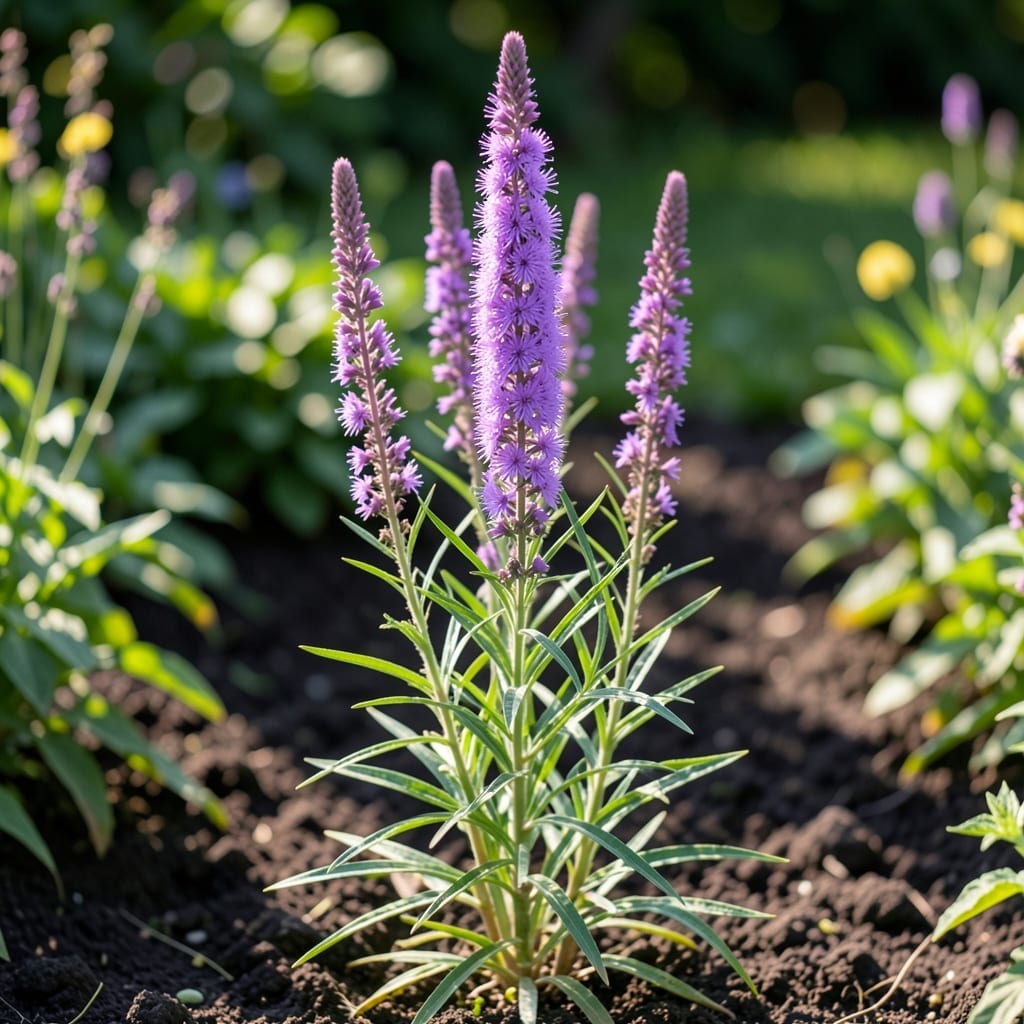
There’s something magical about watching Liatris Spicata 🌸 burst into its signature purple blooms, transforming a garden into a pollinator paradise. This striking perennial doesn’t just add color—it draws bees and butterflies like a magnet.
If you’ve ever wondered when to expect those vibrant spikes, you’re not alone. Timing its bloom period can make or break your summer garden display. The good news? With a little planning, you can enjoy its beauty for weeks.
I’ll walk you through the typical bloom window for this hardy plant, which thrives in zones 3-9, and share tips to extend its flowering season. It’s easier than you think to keep the show going longer.
Discover how to sync its peak with other summer favorites for a garden that stays lively all season. Let’s dig in.
If you’re growing Liatris spicata in your garden, you can expect its iconic purple flower spikes to appear in mid to late summer. This perennial typically begins blooming in July and continues through August, sometimes stretching into early September in ideal conditions.
The bloom duration for blazing star is impressive, often lasting 3 to 4 weeks per plant. Each vertical spike opens its flowers gradually from the top down, creating a cascading effect that keeps your garden looking vibrant for an extended period.
| Stage | Action |
|---|---|
| Start Bloom | Mid to late July |
| Peak Bloom | August |
| End Bloom | Early September |
| Duration | 3-4 weeks |
Regional climate can shift these timings slightly. In warmer zones like USDA 7-9, blooms may start 1-2 weeks earlier than in cooler areas like zones 3-5. I’ve noticed that plants in full sun with well-draining soil tend to bloom more reliably.
For gardeners looking to extend the blazing star display, I recommend planting multiple clumps a few weeks apart. This staggered approach creates a continuous bloom effect throughout the summer months.
The flower spikes themselves can reach 2-5 feet tall, making them perfect for mid-border planting. Their vertical growth habit adds architectural interest while the pollinator-friendly blooms attract bees and butterflies in droves.
I’ve found that deadheading spent blooms doesn’t significantly extend the flowering period for Liatris spicata, as it blooms from the top down. However, regular watering during dry spells helps maintain flower quality and stem strength.☀️
This plant thrives in poor to average soil, making it a low-maintenance choice for many gardens. The drought tolerance of established plants means you can enjoy those purple spikes even during dry summer months with minimal care.
Companion planting can enhance your Liatris display. I love pairing it with black-eyed Susans or coneflowers for a classic prairie-style garden. These combinations create a long-lasting summer show with complementary colors and heights.
Remember that young plants may take 2-3 years to reach their full blooming potential. Patience is rewarded with more abundant spikes and longer bloom times as the plants mature.🌱
To enjoy Liatris spicata blooms for weeks, I recommend starting with well-draining soil and full sun exposure. These plants thrive in 6+ hours of direct sunlight daily. 🌿
I’ve found that consistent moisture during the early growth phase helps establish strong roots. Once mature, they’re quite drought-tolerant, but I water deeply once a week. ☀️
I always cut back spent flower spikes to prevent seed formation, which redirects energy to new blooms. This simple step can extend the flowering period significantly. ✂️
For longer stems and more vibrant blooms, I use a balanced fertilizer in early summer. Avoid over-fertilizing, as it can lead to foliage growth at the expense of flowers.
In my experience, companion planting with Russian sage or black-eyed Susans creates a stunning display. These plants share similar sun and soil needs. 🌻
Finally, I stake taller varieties to prevent flopping, especially in windy areas. This keeps the purple spikes upright and visible for pollinators to enjoy. 🌷