
Beautiful Plants For Your Interior
Beautiful Plants For Your Interior
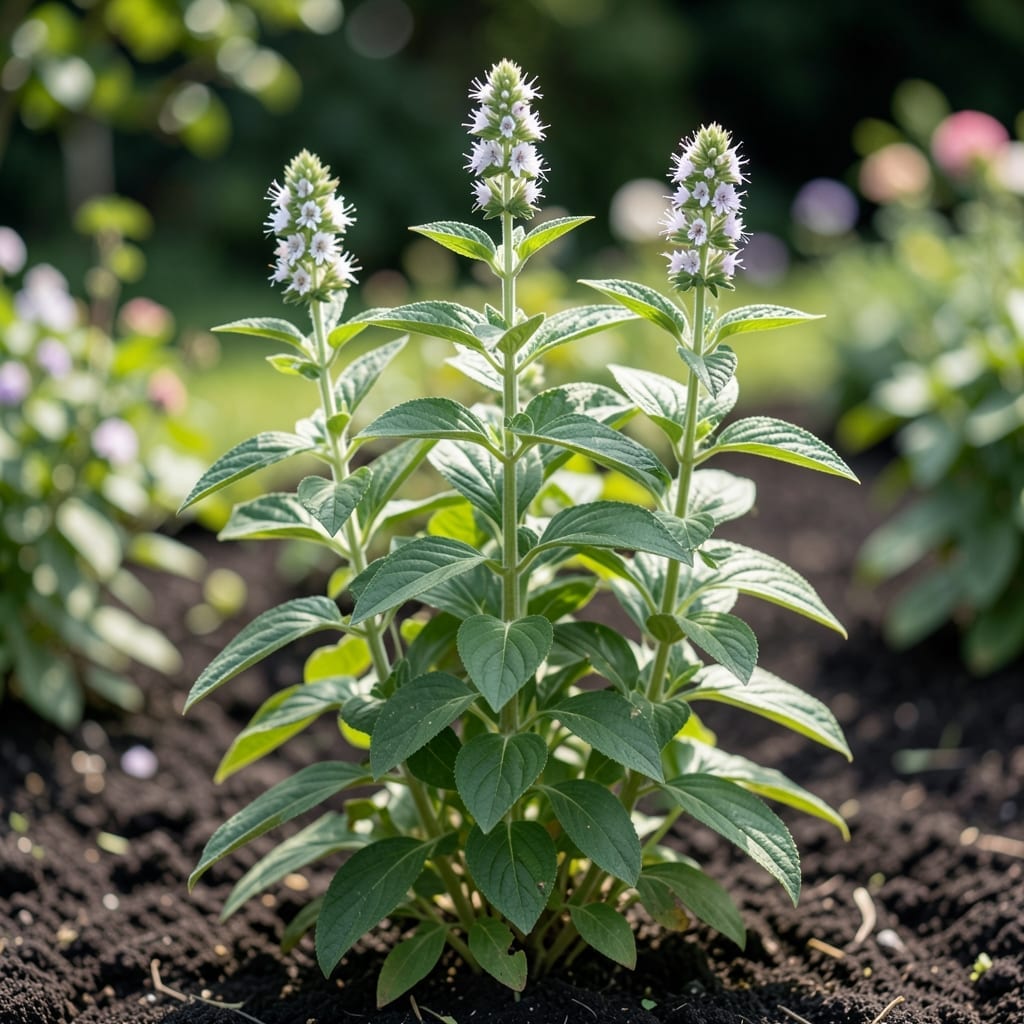
Lemon verbena’s elegant height and citrusy fragrance make it a standout in any garden. But its growth can surprise even experienced gardeners like me.
Understanding its potential size is the key to proper placement and care. This fragrant herb can transform your space when given the right conditions.
I’ll share what I’ve learned about its typical height range and the factors that influence it. These insights will help you grow healthy, thriving 🌿 Lemon Verbena plants.
Discover how to create the perfect environment for your plants to reach their full potential. Let’s get started on this rewarding journey together.

If you’re growing lemon verbena, expect it to reach an impressive 3 to 6 feet tall at maturity. This fast-growing herb can surprise gardeners with its height, especially in ideal conditions.
In its first year, lemon verbena typically grows to about 2 feet. By the second year, it can double in size, often hitting 4 feet. With proper care, it may reach 5 to 6 feet in its third year.
| Stage | Height |
|---|---|
| Year 1 | 2 feet |
| Year 2 | 4 feet |
| Year 3+ | 5-6 feet |
| Mature Size | 3-6 feet |
Several key factors influence its height. Climate plays a major role—lemon verbena thrives in USDA zones 8-10, where warm temperatures encourage rapid growth. In cooler areas, it may stay smaller.
Soil quality is another game-changer. Well-draining, fertile soil with a pH of 6.0-7.5 supports robust growth. If your soil is poor, consider amending it with compost before planting.
Sunlight is non-negotiable for maximum height. Lemon verbena needs full sun—at least 6 hours daily. Without enough light, it grows leggy and may not reach its full potential.
Pruning also affects its size. Regular light pruning encourages bushier growth, while hard pruning can reset its height. I recommend trimming back by one-third in early spring to promote new growth.
Watering habits matter too. Consistent moisture without waterlogging keeps the plant healthy. Aim for 1-2 inches per week, adjusting for rainfall. Over-watering can lead to root rot, stunting growth.
Container growing limits height naturally. If you’re growing lemon verbena in pots, expect it to stay on the smaller side, around 3-4 feet. Choose a large container to give roots room to expand.
With the right conditions, lemon verbena can become a tall, fragrant centerpiece in your garden. Its height makes it perfect for borders or as a backdrop for shorter plants. Just
Managing lemon verbena height is essential for keeping this fragrant herb at a workable size. In my experience, unchecked growth can reach 6 to 10 feet, which may overwhelm smaller spaces. Pruning is the most effective way to control its stature.
Regular trimming encourages bushier growth and prevents leggy stems. I recommend pruning back by one-third in early spring to maintain a compact shape. This also promotes fresh, aromatic foliage.
If space is limited, growing lemon verbena in containers is a great solution. This restricts root spread and naturally limits height to 3-5 feet. Just ensure the pot has good drainage to avoid root rot.
For gardeners who prefer low-maintenance options, dwarf varieties are an excellent choice. These typically stay under 4 feet tall while still delivering the same citrusy aroma. I’ve had great success with these in smaller gardens.
Another tip I swear by is pinching back new growth. This simple technique encourages the plant to branch out, creating a fuller, more compact shape. Do this regularly during the growing season for best results.
Finally, remember that light and soil play a role in height. Full sun and well-draining soil support vigorous growth, while partial shade may result in a slightly shorter plant. Adjust your care routine accordingly. ✂️