
Beautiful Plants For Your Interior
Beautiful Plants For Your Interior
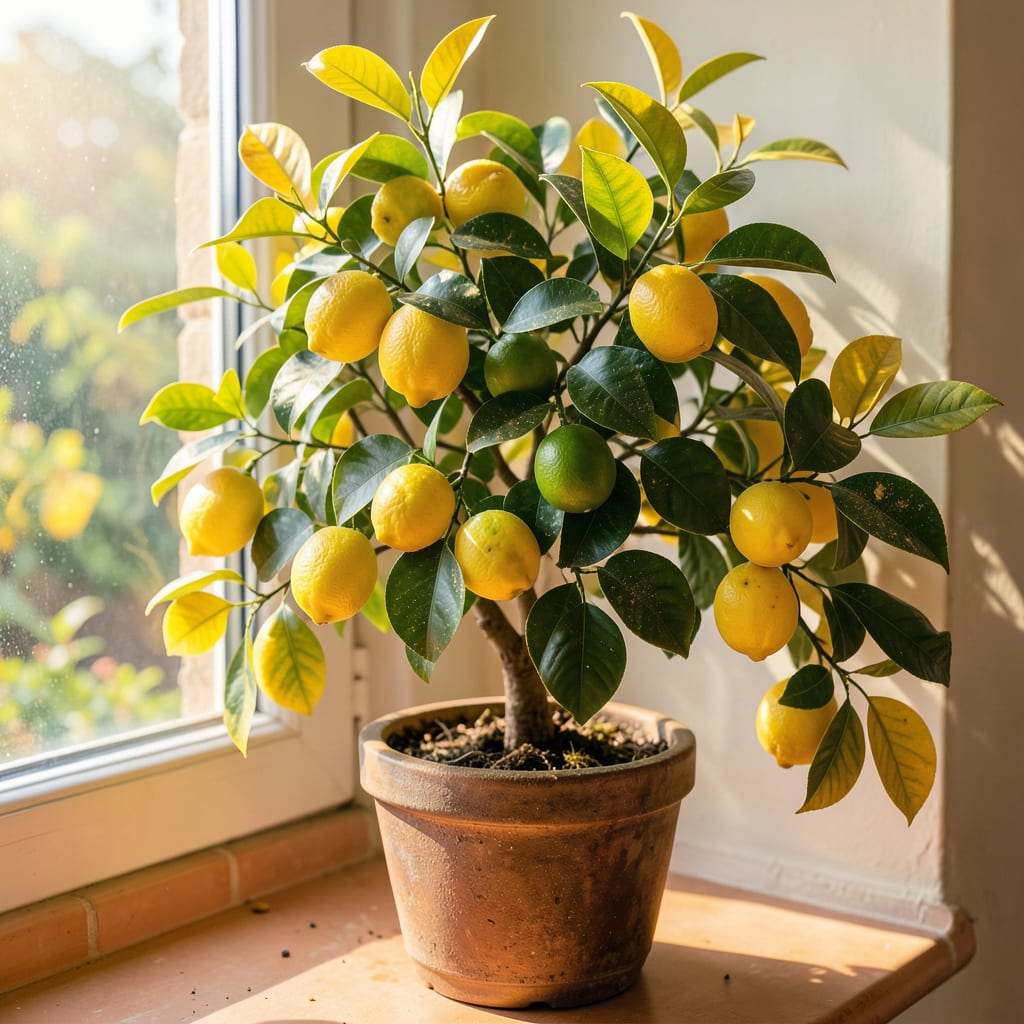
Yellow leaves on your lemon tree are trying to tell you something important. I’ve seen this happen more times than I can count, and the good news is most causes are fixable.
Usually it’s a simple nutrient issue—nitrogen, iron, or magnesium deficiencies show up first as yellowing. But sometimes it’s overwatering, poor drainage, or even pests hiding under the foliage.
You can solve this without a chemistry degree. Simple soil tests, visual checks, and small adjustments to your care routine often turn things around in 2-3 weeks.
Early action prevents bigger problems down the road. Here’s how to diagnose and fix it for good.
Yellowing leaves on a lemon tree often signal an underlying issue that needs attention. Below are the most common causes, explained scientifically and with actionable insights.
Lemon trees require a balanced diet of nitrogen, iron, magnesium, and zinc. A deficiency in any of these can lead to chlorosis (yellowing). For example:
Action: Test soil pH (ideal: 6.0–7.0) and amend with chelated iron or Epsom salts (magnesium sulfate).
Excess water suffocates roots, reducing oxygen uptake and nutrient absorption. This triggers stress responses, including leaf yellowing. Root rot (from Phytophthora fungi) may also develop, further damaging the tree.
Action: Ensure well-draining soil. Water only when the top 2–3 inches of soil are dry.
Extreme heat, cold drafts, or sudden temperature shifts disrupt chlorophyll production. Lemon trees thrive in 70–85°F and need protection from frost or scorching sun.
Action: Use shade cloth in peak summer or move potted trees indoors during cold snaps.
Sap-sucking pests like aphids, spider mites, or scale insects drain nutrients, causing yellow spots or mottling. Check leaf undersides for webbing, sticky residue (honeydew), or visible bugs.
Action: Spray with neem oil or insecticidal soap weekly until pests are gone.
Tackling yellow leaves on your lemon tree starts with identifying the root cause. Here’s how to address common issues and restore your tree’s lush green foliage.
If yellowing is due to a lack of nitrogen, iron, or magnesium:
Yellow leaves with a limp texture often signal waterlogging:
Insufficient light or extreme temperatures can cause yellowing:
Check for spider mites, aphids, or fungal infections:
Act quickly—early intervention often means a full recovery!
Water deeply every 7-10 days in warm weather, less in cooler months. Always check that the top 2-3 inches of soil are dry first. Overwatering is a common cause of yellowing.
Use a citrus-specific fertilizer with balanced nitrogen, iron, and magnesium. For iron deficiencies, chelated iron works fastest. Apply every 4-6 weeks during growing season.
Usually not once they’ve turned fully yellow. Focus on fixing the underlying issue to prevent new leaves from yellowing. Recovery typically takes 2-3 weeks.
Yes, remove severely yellowed leaves to redirect energy to healthy growth. Use clean shears and prune at the base of the leaf stem. Avoid removing more than 1/3 of foliage at once.
