
Beautiful Plants For Your Interior
Beautiful Plants For Your Interior
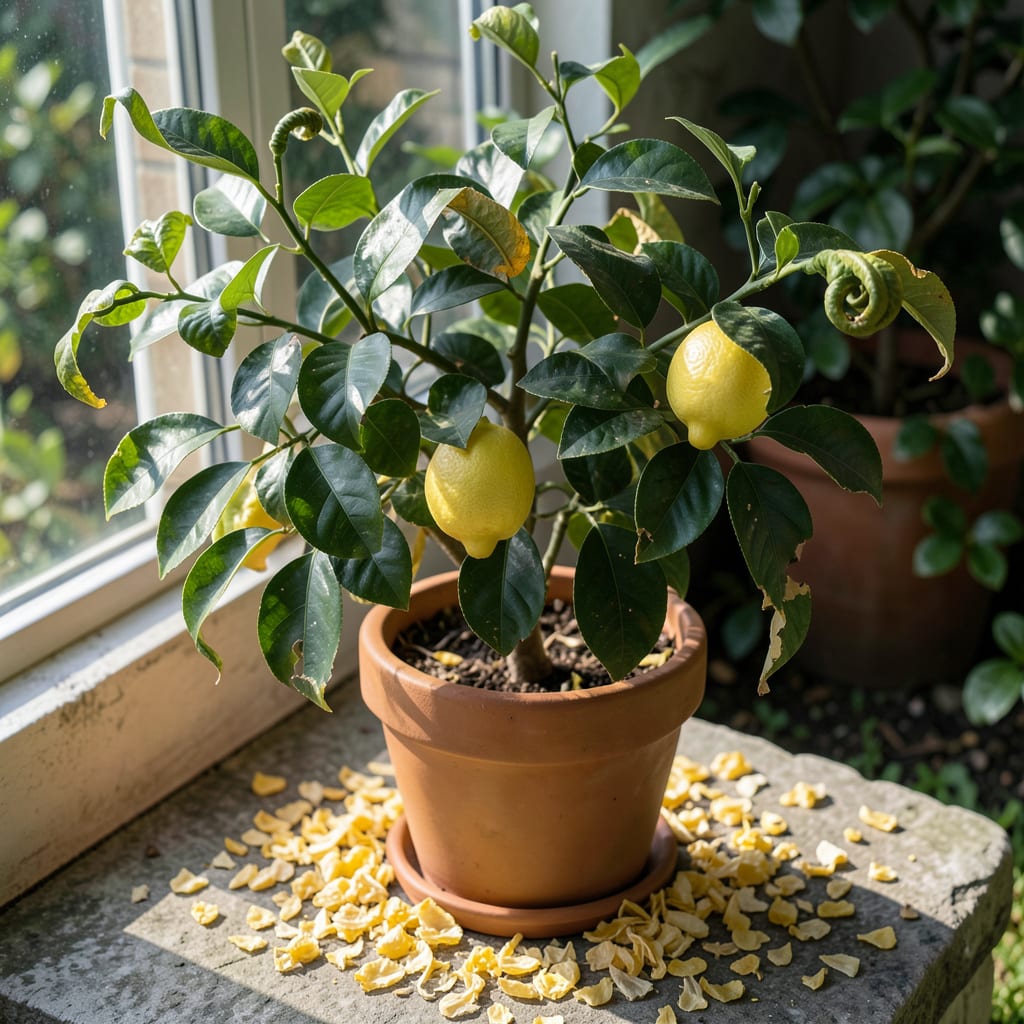
Watching your lemon tree’s leaves curl and drop feels like a gut punch. 🌱 I’ve been there—one day your tree looks fine, the next it’s shedding like it’s autumn in July.
Here’s the thing—this isn’t random. It’s your tree sending an SOS about water stress, pests, or disease. Most cases boil down to 3 common culprits, and the fix is simpler than you’d think.
You’ll spot the difference within 7-10 days of the right treatment. The leaves unfurl, new growth appears, and that citrusy scent returns to your garden.
No fancy equipment needed—just sharp eyes and a willingness to play plant detective. Let’s figure this out together.
Lemon tree leaves curling and falling off is often a sign of underlying stress. Here are the most common causes, explained simply:
Extreme temperatures, either too hot or too cold, can cause leaf curl and drop. Lemon trees thrive in 60–80°F (15–27°C). Heatwaves or frost disrupt their water balance, leading to wilting and leaf loss. Drought stress (underwatering) or root asphyxiation (overwatering) also triggers curling as the tree conserves moisture.
Sap-sucking pests like aphids, mealybugs, or spider mites drain nutrients from leaves, causing them to curl and yellow. Aphids excrete sticky honeydew, which promotes sooty mold—another stressor. Check leaf undersides for tiny bugs or webbing.
Citrus canker (bacterial) or powdery mildew (fungal) can distort leaves, leading to curling and premature drop. Canker causes corky lesions, while mildew appears as white powder. High humidity and poor airflow worsen these infections.
A lack of magnesium, zinc, or iron often manifests as leaf curling. For example, magnesium deficiency causes yellowing between leaf veins (interveinal chlorosis) before curling. Poor soil pH (above 7.0) can lock out these nutrients.
Too much nitrogen or salt buildup from synthetic fertilizers can burn roots, reducing water uptake. This mimics drought stress, causing leaves to curl inward and drop. Always follow dosage guidelines and flush soil if salt buildup is suspected.
Here’s how to tackle the most common causes of curling and dropping leaves on your lemon tree, with simple fixes and prevention tips to keep it thriving.
Fix: Let the soil dry out slightly between waterings. Check moisture by sticking your finger 1-2 inches into the soil—if it’s damp, hold off. Ensure pots have drainage holes, and use well-draining soil mixes with perlite or sand. For in-ground trees, improve drainage by amending the soil with compost.
Prevention: Water deeply but less frequently (1-2 times a week in hot weather, less in cooler months). Use a moisture meter 💡 to avoid guesswork.
Fix: Give your tree a deep soak immediately if the soil is bone-dry. Mulch around the base (2-3 inches of organic mulch) to retain moisture and regulate soil temperature. During heatwaves, provide temporary shade with a cloth or move potted trees to a cooler spot.
Prevention: Set up a consistent watering schedule and monitor weather conditions. Young trees need more frequent watering than established ones.
Fix: Spray leaves (especially undersides) with neem oil or insecticidal soap to combat aphids, mites, or scale. For severe cases, remove heavily infested leaves and prune affected branches. Introduce beneficial insects like ladybugs for natural control.
Prevention: Inspect leaves weekly for early signs of pests. Keep the area around the tree clean and free of debris where pests can hide.
Fix: Apply a balanced citrus fertilizer (high in nitrogen, potassium, and magnesium) to address yellowing or curling leaves. For fast results, use a liquid fertilizer every 2-4 weeks during the growing season. Yellow leaves with green veins? Try a magnesium sulfate (Epsom salt) spray (1 tbsp per gallon of water).
Prevention: Test your soil annually and fertilize regularly. Avoid over-fertilizing, which can burn roots.
Fix: Shield your tree from strong winds or extreme temperature swings. Use windbreaks or relocate potted trees to a more protected area. If cold snaps are forecasted, cover the tree with frost cloth.
Prevention: Plant lemon trees in a sheltered spot, and avoid sudden changes in their environment, like moving them from indoors to full sun too quickly.
Water deeply 1-2 times per week in hot weather, less in cooler months. Always check soil moisture first—if it’s damp 1-2 inches down, wait. Overwatering is just as harmful as drought.
Spray with neem oil or insecticidal soap, focusing on leaf undersides. For severe cases, prune infested areas. Introduce ladybugs for natural control. Always inspect weekly for early signs.
Yes! This often signals magnesium deficiency. Apply Epsom salt spray (1 tbsp per gallon of water) or use a citrus-specific fertilizer. New growth will appear healthy within 2-3 weeks.
Lemon trees thrive in 60-80°F. Below 50°F, leaves may curl and drop. Use frost cloth for protection. Potted trees should be moved indoors during cold snaps.
