
Beautiful Plants For Your Interior
Beautiful Plants For Your Interior
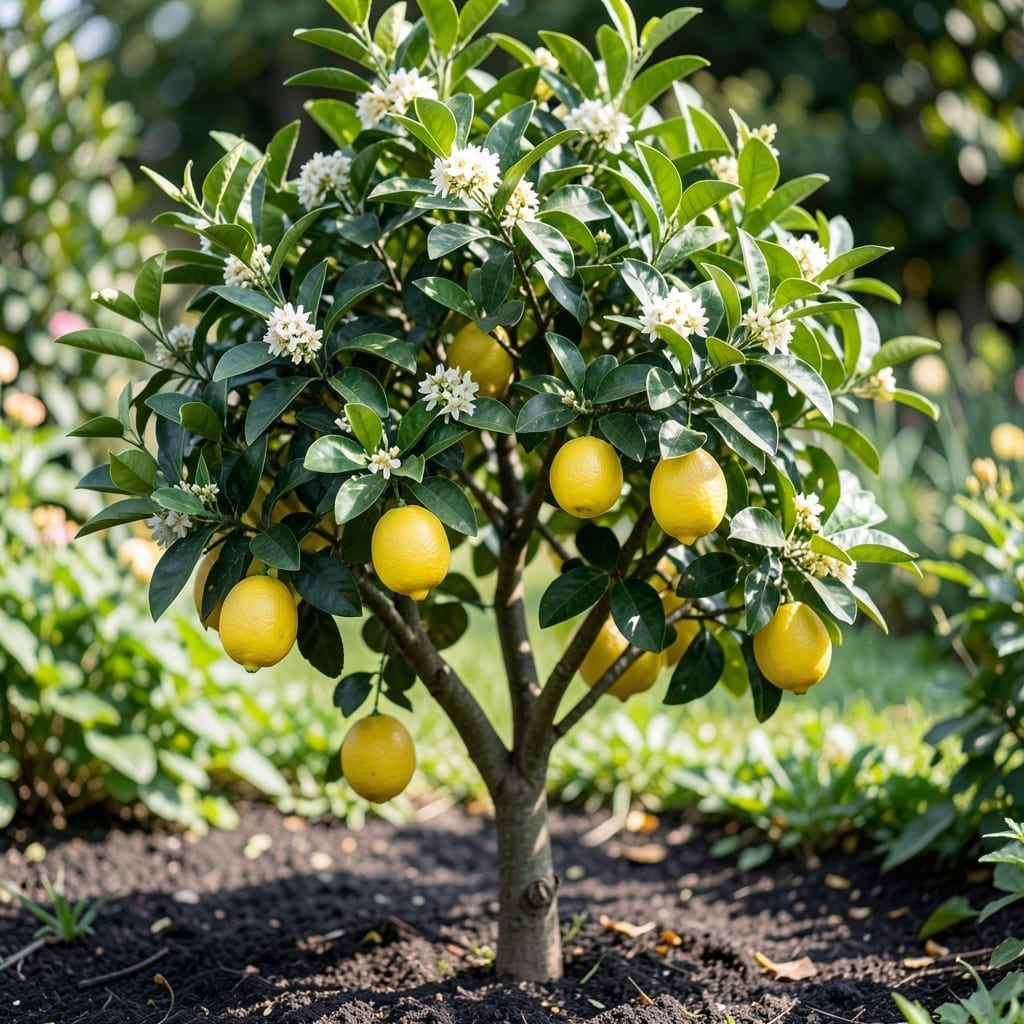
Watching your 🍋 Lemon Tree transition from delicate blossoms to ripe fruit is one of gardening’s most rewarding experiences. But the process isn’t always straightforward, and many growers get discouraged when flowers fail to produce fruit.
Understanding the timeline and care required at each stage makes all the difference. With the right approach, you can ensure a bountiful harvest of fresh, juicy lemons year after year.
Discover the key milestones from flower to fruit, along with practical tips to keep your Lemon Tree thriving through every phase of development.
The journey from lemon tree flower to ripe fruit is a fascinating process that takes 7-12 months on average. It begins with delicate white blossoms that emit a sweet citrus fragrance, signaling the start of potential fruit development.
Each stage requires specific care to ensure healthy growth. The timeline can vary based on climate conditions, tree age, and variety, but understanding these milestones helps you support your tree effectively through its reproductive cycle.
| Stage | Timeline | Key Action |
|---|---|---|
| Bud Formation | 4-6 weeks | Monitor for pests |
| Flowering | 2-4 weeks | Ensure pollination |
| Fruit Set | 2-3 weeks | Protect from wind |
| Fruit Growth | 5-7 months | Water consistently |
| Maturation | 2-3 months | Harvest when yellow |
The first visible sign is bud formation, where small green buds appear along the branches. These buds develop over 4-6 weeks before blooming into fragrant white flowers. This stage is critical for ensuring healthy blossoms that can later set fruit.
Once the lemon tree flowers open, they need proper pollination to develop fruit. In most cases, citrus trees are self-pollinating, but gentle wind or pollinators like bees can improve fruit set. I always check for bees in my garden during this phase.
After successful pollination, tiny green fruits begin to form—a stage called fruit set. This occurs within 2-3 weeks after flowering. It’s normal for some young fruits to drop, but excessive loss may indicate stress or poor pollination.
The fruit growth phase is the longest, lasting 5-7 months. During this time, the lemons gradually increase in size. Consistent watering and fertilizing with a balanced citrus formula support healthy development and prevent premature fruit drop.
As the lemons approach maturity, they transition from green to yellow. The final maturation stage takes 2-3 months, where the fruit develops its full flavor and juice content. I harvest when the lemons are fully yellow and slightly soft to the touch.
Remember, young lemon trees may take 3-5 years to bear fruit. Patience is key! Providing optimal care—like full sun and well-draining soil—ensures your tree reaches its fruiting potential sooner rather than later. 🌿
Seasonal changes can impact the timeline. In cooler climates, the process may slow down, especially during winter. If you’re growing in containers, move pots indoors when temperatures drop below 50°F to protect the developing fruit.
By tracking these stages and adjusting care accordingly, you’ll maximize your chances of a successful lemon harvest. Keep a gardening journal to note progress and any issues that arise, so you can refine your approach each season. ✂️
To get the most lemon fruit from your tree, start with consistent watering. I water deeply once a week, ensuring the soil stays moist but never soggy. Citrus trees hate wet feet!
Fertilizing is equally important. Use a citrus-specific fertilizer high in potassium and phosphorus every 4-6 weeks during the growing season. This boosts flowering and supports fruit development.
Proper pruning helps too. Remove any dead or diseased branches to direct energy toward fruit production. I prune my tree in late winter before new growth starts.
Don’t forget about pest control. Watch for aphids and scale—they love citrus trees. A spray of neem oil every few weeks keeps them at bay without harming beneficial insects.
Pollination can be a game-changer. While lemon trees are self-pollinating, a little help from bees or a soft paintbrush can increase fruit set. I’ve seen better results when I hand-pollinate on cloudy days.
Finally, ensure your tree gets 8+ hours of sunlight daily. If you’re growing in pots, rotate them regularly for even exposure. With these steps, you’ll see more flowers turning into fruit and a healthier harvest. 🌿