
Beautiful Plants For Your Interior
Beautiful Plants For Your Interior
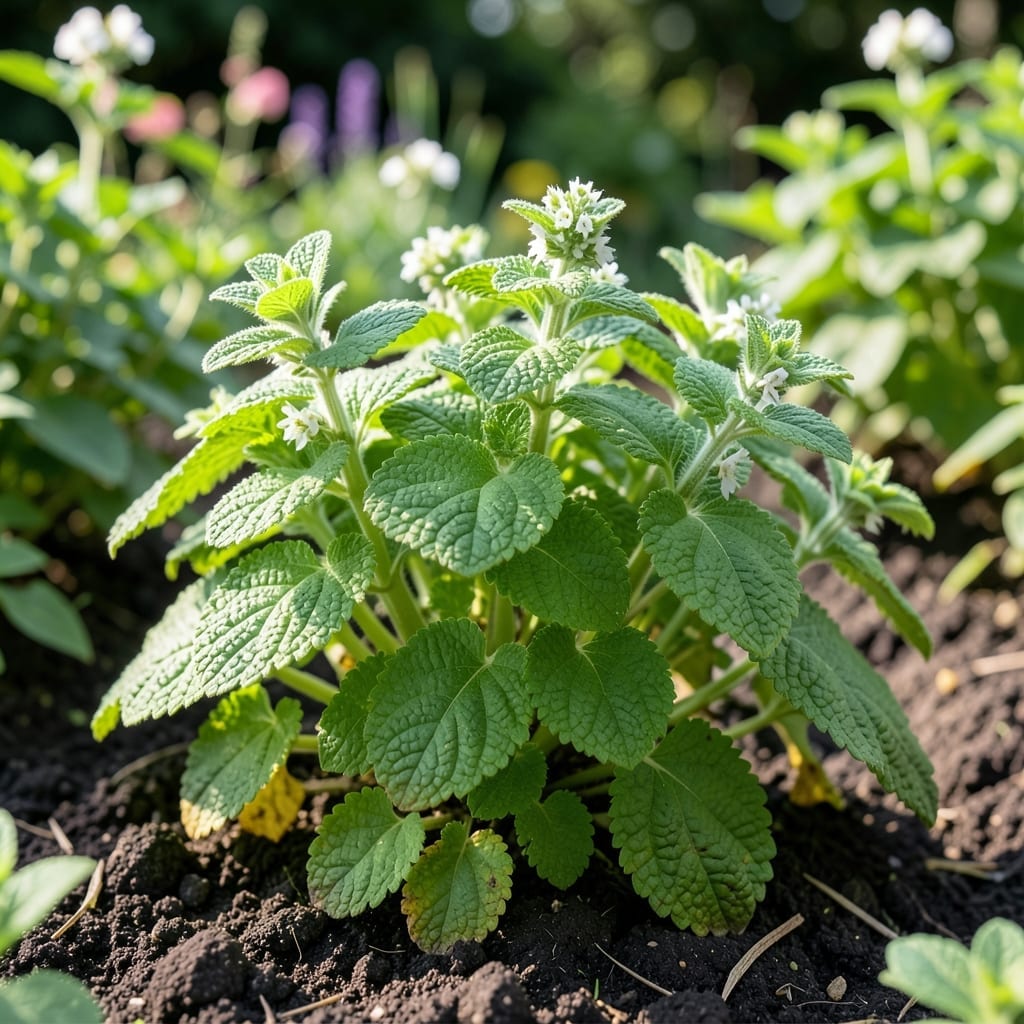
I’ve learned the hard way that getting sunlight right is the key to growing vibrant Lemon Balm 🌿. Too much and the leaves scorch, too little and the plant gets leggy—it’s all about balance.
In zones 4-9, this fragrant herb thrives with the right exposure. Whether you’re planting in spring or fall, understanding its light needs will set you up for success.
Discover how to give your Lemon Balm the perfect amount of sun for lush, healthy growth. Let’s dig into what works best.

Getting the sunlight balance right is crucial for Lemon Balm. This hardy herb flourishes with 4-6 hours of direct light daily, though it can handle some shade. I’ve seen it thrive in both full sun and partial shade gardens.
In hotter climates, afternoon shade prevents leaf scorch, while cooler regions benefit from maximum sun. The key is observing how your Lemon Balm responds to its environment and adjusting accordingly.
| Requirement | Specification |
|---|---|
| Ideal Sun Hours | 4-6 hours daily |
| Light Type | Direct or bright indirect |
| Shade Tolerance | Moderate |
| Best Window Direction | South or west |
I’ve found that morning sun is particularly beneficial for Lemon Balm. It provides gentle warmth without the intensity of afternoon rays. This is especially true in USDA zones 7-9, where summer heat can be overwhelming.
For container gardening, place pots where they’ll get eastern exposure first thing in the day. This mimics natural conditions and encourages bushier growth. I use this approach on my patio with great results.
In cooler climates like zones 4-6, don’t be afraid to give your Lemon Balm all the sun it can handle. The extra warmth helps compensate for shorter growing seasons and promotes faster leaf production. ☀️
If you notice your plant looking leggy or sparse, it’s likely not getting enough light. Try moving it to a sunnier spot or pruning nearby plants that might be casting shade. I’ve saved many a struggling herb with this simple adjustment.
Remember that seasonal changes affect sunlight patterns. What works in spring might need adjustment by mid-summer. I keep a garden journal to track how my Lemon Balm responds throughout the year.
For indoor growers, a south-facing window is ideal. If that’s not available, supplement with grow lights for 12-14 hours daily. I’ve successfully overwintered Lemon Balm indoors using this method.
Finally, observe your specific microclimate. Factors like buildings, trees, and even fences can create unique light conditions. The more you understand your garden’s sunlight patterns, the better you can position your Lemon Balm for success. 🌿
Even with the best intentions, Lemon Balm can struggle if sunlight needs aren’t met. I’ve noticed that leggy stems and small leaves are classic signs of insufficient light. The plant stretches toward any available sun, resulting in weak growth.
Another red flag is pale or yellowing leaves, especially on the lower parts of the plant. This happens because the plant can’t produce enough chlorophyll without adequate light. In my experience, this is often the first visible sign of trouble.
If your Lemon Balm isn’t producing its characteristic lemony fragrance, light deprivation might be the culprit. The essential oils that give the herb its scent are produced most abundantly in proper sunlight. I always check the aroma first when diagnosing issues.
To fix sun-deprived plants, gradually introduce them to more light over a week. Sudden changes can shock the plant. I’ve had success moving potted Lemon Balm to sunnier spots in 1-hour increments daily.
For garden beds, thin out nearby plants that might be casting shade. Sometimes, simply pruning overhanging branches can make a world of difference. I keep my Lemon Balm at least 2 feet from taller neighbors for this reason.
Remember that seasonal changes affect light availability too. What gets 6 hours of sun in summer might only get 4 hours in winter. I adjust plant locations accordingly to maintain consistent light exposure.
🌿