
Beautiful Plants For Your Interior
Beautiful Plants For Your Interior
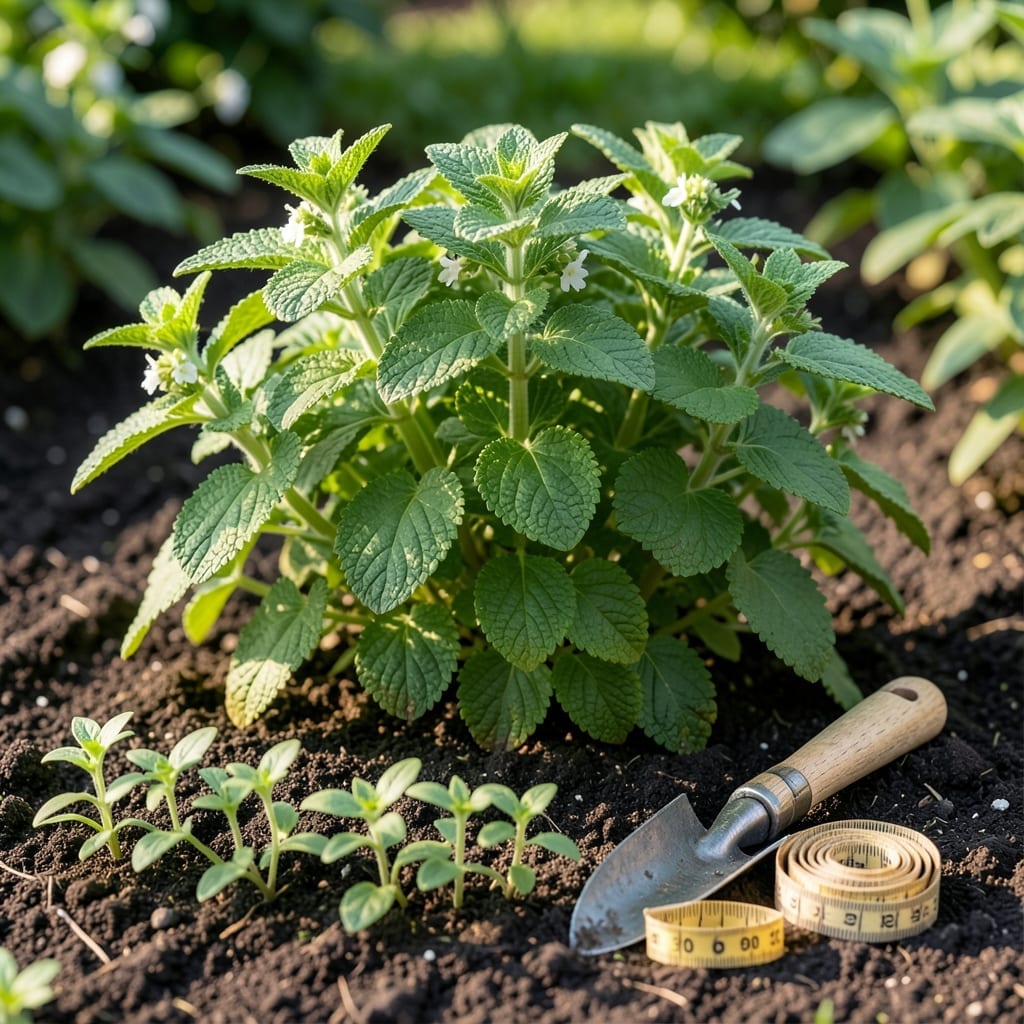
Proper spacing is the secret to a thriving 🌿 Lemon Balm garden. Get it wrong, and you risk stunted plants or invasive spread that chokes out neighbors.
I’ve seen too many gardeners plant with good intentions but poor planning. Without enough room, your Lemon Balm struggles to reach its 2-3 ft potential.
Whether you’re planting in the ground or containers, the right distance makes all the difference. It affects airflow, disease prevention, and even flavor intensity.
Discover how to give your Lemon Balm the space it needs to flourish. Your future self – and your herb garden – will thank you.
Getting lemon balm spacing right is crucial for healthy plants. In my garden, I’ve found that 18-24 inches apart works best for in-ground planting. This gives each plant enough room to reach its 2-3 ft mature height without competing for nutrients.
For container gardening, I recommend one plant per 12-inch pot to prevent root crowding. Proper spacing ensures good airflow, which helps avoid fungal diseases like powdery mildew. 🌿
I always consider the mature spread of lemon balm, which can be 18-24 inches wide. Planting too close leads to overcrowding, which stunts growth and reduces leaf quality. Give them space to thrive.
In raised beds, I maintain the same 18-24 inch spacing but ensure the bed is at least 12 inches deep. This depth allows roots to spread comfortably. Good drainage is key to prevent waterlogging.
For companion planting, I pair lemon balm with basil or oregano, keeping spacing consistent. Avoid planting near mint, as both can be invasive and will compete aggressively.
Airflow is another critical factor I prioritize. Proper spacing allows sunlight and air to reach all parts of the plant, reducing the risk of pests and diseases. This is especially important in humid climates.
If you’re planting in partial shade, you might stretch the spacing to 24 inches. Lemon balm tolerates shade but grows more slowly, so extra space helps it access available light.
For small-space gardens, I use dwarf varieties like ‘Lime’ or ‘Spice’. These stay compact and only need 12-18 inches of space. They’re perfect for patios or balconies.
Remember, lemon balm spreads via runners. If left unchecked, it can take over a garden bed. I always monitor growth and trim back runners to maintain control. ✂️
Finally, I mark my planting spots with small stakes to visualize spacing before planting. This simple step helps me avoid the common mistake of overplanting and ensures a well-organized garden. 🌱
I see many gardeners struggle with lemon balm spacing mistakes that lead to weak plants. The most common error is planting too close together, which restricts airflow and invites disease. Another big issue is ignoring mature plant size, as lemon balm can spread aggressively. 🌿
Remember that 18-24 inch spacing between plants is ideal for most varieties. This prevents overcrowding while allowing each plant to reach its 2-3 foot height and width. Also, avoid planting near small herb companions that can be overwhelmed. 🌱
⚠️ Warning: Avoid These Spacing Pitfalls
Planting too densely causes fungal diseases and stunted growth. Give lemon balm room to breathe for optimal health.
Another mistake is not considering container size for potted lemon balm. A 12-inch diameter pot is the minimum for one plant. For multiple plants, use a larger container with proportional spacing. This ensures root development isn’t restricted. ✂️
Many gardeners also overlook row spacing in garden beds. I recommend 24-36 inches between rows to allow for easy access and maintenance. This spacing also helps with harvesting without damaging neighboring plants. 🌿
Finally, avoid planting lemon balm near vegetables or flowers that need different care. Its aggressive spreading can choke out less vigorous plants. Instead, pair it with mint family herbs that have similar growth habits. 🌱
By avoiding these common spacing mistakes, you’ll ensure your lemon balm thrives with strong growth and maximum flavor. Proper spacing is the foundation of a healthy herb garden. ☀️