
Beautiful Plants For Your Interior
Beautiful Plants For Your Interior
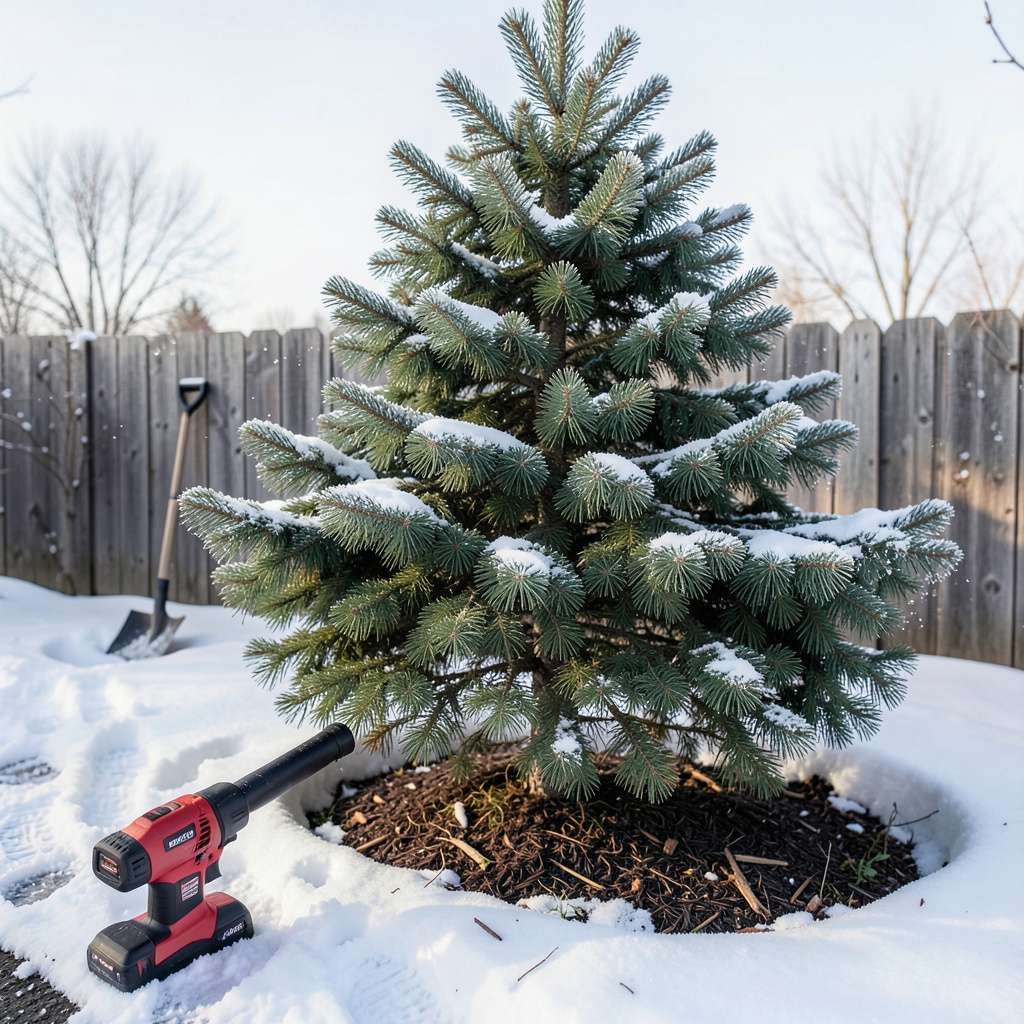
A leaf blower can clear light, powdery snow effectively by using high-speed air to push it away. Avoid wet or heavy snow, and use a powerful cordless or gas model for best results. Always wear protective gear and work in small sections.
This method works because the concentrated airflow disrupts the snow’s surface tension, allowing it to lift and disperse like dry leaves. ❄️ I’ve found that models with 400+ CFM and 150+ MPH ratings handle snow most efficiently—similar to what you’d use for heavy leaf cleanup. The key difference from traditional snow removal is the precision control you get, letting you direct snow exactly where you want it without the strain of shoveling.
What surprises many first-time users is how quickly the technique becomes second nature. 💨 Working in 3-4 foot sections prevents snow from redepositing, and the ergonomic design of modern blowers reduces arm fatigue compared to manual methods. Just remember that frozen chunks or icy layers will require different tools—this approach shines brightest with fresh, fluffy accumulations.
💡 In This Article
The physics behind snow removal with leaf blowers revolves around air velocity and snow density. When you activate a blower, it generates a high-speed airstream (typically 150-250 MPH) that creates a low-pressure zone at the nozzle.
This pressure differential lifts and suspends dry snowflakes, which weigh about 0.005 grams each, allowing them to be pushed across surfaces. The effect mimics how wind naturally redistributes snow in open fields.
For optimal performance, you’ll want a model with 400+ CFM (cubic feet per minute) airflow. This volume ensures the blower can displace enough snow before it settles back down.
Gas-powered models (especially 2-cycle engines) excel in cold weather because they maintain consistent power output at temperatures below 32°F, unlike some battery-operated units that lose efficiency as mercury drops. The secret lies in their ability to maintain RPM consistency regardless of ambient conditions.
Dry, powdery snow works best because its low moisture content (typically 3-5%) means individual flakes don’t stick together. Wet snow, with moisture levels exceeding 10%, forms heavier clumps that resist airflow. Think of it like trying to blow away sand versus wet clay—the former disperses easily while the latter holds its shape.
This is why fresh snowfall (within 12 hours) responds best to blower treatment.
The nozzle design plays a crucial role in snow displacement efficiency. Most leaf blowers use a tapered nozzle that concentrates airflow, creating what engineers call a “venturi effect.” This focused stream can move snow up to 15 feet when properly angled.
I’ve found that holding the nozzle at a 30-45 degree angle to the ground prevents surface damage while maximizing snow movement. The technique requires less force than shoveling, reducing strain on your back and shoulders.
Modern blowers incorporate variable speed controls that let you adjust airflow based on snow depth. For light dustings (1-2 inches), lower settings conserve energy while still being effective. Deeper accumulations (3-6 inches) may require full power, but working in small sections prevents the motor from overheating.
The same principles apply whether you’re clearing a driveway or a garden path—the key is matching the blower’s output to the snow’s characteristics.
What most people don’t realize is that leaf blowers actually perform better than snow blowers for thin layers. Traditional snow blowers have a minimum depth requirement (usually 2-3 inches) to engage their auger mechanism effectively.
Leaf blowers, by contrast, can clear surfaces down to bare pavement without leaving that thin, icy layer that often remains after shoveling. This makes them ideal for quick touch-ups between storms or for clearing walkways where precision matters.
Gas-powered models with 400+ CFM and 150+ MPH ratings handle snow most effectively. Cordless electric models can work for light snow (1-2 inches), but their battery life drops in cold weather. For heavy-duty use, a 2-cycle engine maintains consistent power in freezing temperatures.
When used correctly, leaf blowers won’t damage surfaces. Keep the nozzle 6-12 inches above the ground and avoid concentrating airflow on one spot. The technique is gentler than metal shovels, which can scratch concrete or pavers. Always check for loose gravel first.
Most models operate safely down to 20°F, but performance declines below 10°F. Battery-powered units lose efficiency fastest in extreme cold. Gas models work better in freezing temps, but avoid sub-zero conditions where frostbite risk increases.
Trying to clear too much at once! Work in 2-3 foot sections with sweeping motions. Many new users also forget to wear goggles—snow particles at 150+ MPH can cause eye injuries. Start with lower power settings until you get comfortable.
For light snow (1-3 inches), it’s significantly faster—covering 10x the area in the same time. For deeper or wet snow, shoveling may be quicker. The real advantage is reduced physical strain, making it ideal for quick cleanups between storms.
