
Beautiful Plants For Your Interior
Beautiful Plants For Your Interior
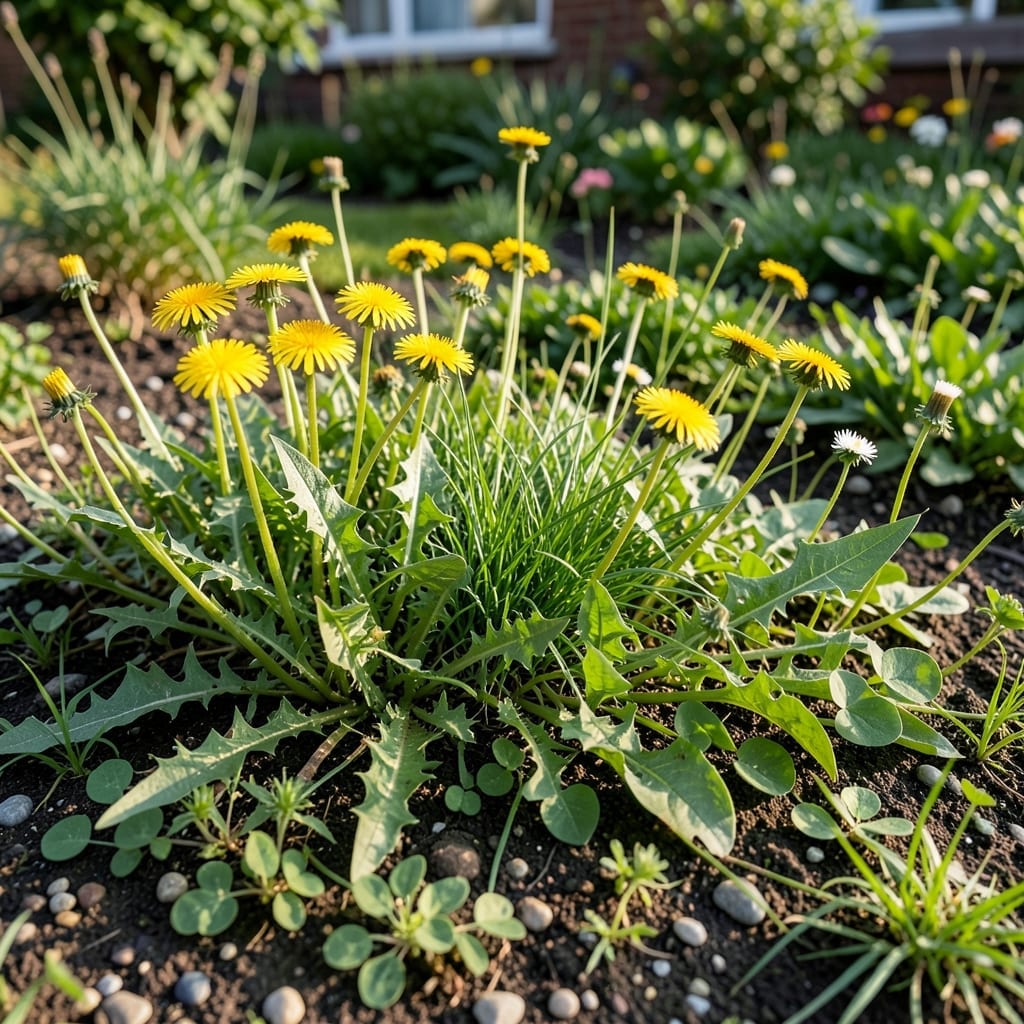
That patchy yellow spot in your Massachusetts lawn? Probably not just dry grass. I’ve battled my share of crabgrass, clover, and dandelions that seem to thrive in our humid summers and cold winters.
These weeds don’t just look bad—they steal water, nutrients, and sunlight from your grass. The good news is, with the right approach, you can reclaim your lawn without harsh chemicals. I’ve tested methods that work in our New England climate.
You’ll learn to spot the most common invaders and stop them before they spread. A little knowledge now saves you a lot of work later.
Works for small yards, large lawns, or anywhere weeds are winning. Here’s how to take back control.
Understanding why weeds thrive in Massachusetts lawns starts with recognizing the environmental and cultural factors at play. Here’s a breakdown of the primary causes:
Massachusetts soils often suffer from compaction due to heavy foot traffic, clay-rich compositions, or poor drainage. Compacted soil restricts root growth for grass while creating the perfect conditions for hardy weeds like crabgrass and plantain to take hold. Additionally, low pH (acidic soil) or nutrient deficiencies (e.g., nitrogen or phosphorus) weaken grass, leaving bare spots for weeds to colonize.
The state’s humid continental climate—with hot summers and cold winters—stresses lawns, making them vulnerable. Dandelions and clover exploit thin turf after harsh winters, while purslane thrives in drought-prone summer patches. Frequent rainfall can also promote moisture-loving weeds like yellow nutsedge.
Inconsistent mowing (too short or infrequent), improper watering (shallow or excessive), and skipping aeration or overseeding create gaps for weeds. For example, mowing below 3 inches weakens grass, allowing chickweed to spread. Likewise, over-fertilizing can burn grass, while under-fertilizing leaves it undernourished.
Weeds often hitch a ride via contaminated soil, poor-quality grass seed, or even gardening tools. Massachusetts’ urban and suburban areas see frequent creeping charlie infestations from shared equipment or compost. Even wind and wildlife can transport seeds, making vigilance key.
Tackling lawn weeds in Massachusetts starts with targeted solutions for each common invader. Here’s how to reclaim your lawn, step by step:
For isolated dandelions, use a weed puller to remove the entire taproot—this prevents regrowth. If they’ve spread, apply a selective herbicide (like 2,4-D) directly to the leaves on a calm day to avoid drift. Prevention tip: 💡 Mow high (3–4 inches) to shade the soil and discourage seeds from germinating.
Timing is key! Apply a pre-emergent herbicide in early spring (before soil temps hit 55°F) to stop crabgrass seeds from sprouting. For existing patches, pull them by hand or use a post-emergent herbicide labeled for crabgrass. Prevention tip: 🎯 Overseed bare spots in fall to crowd out future weeds.
Clover thrives in low-nitrogen soil. Test your lawn with a soil kit, then fertilize with a nitrogen-rich product if needed. Alternatively, smother small patches with a thick layer of mulch or corn gluten meal. Prevention tip: ✨ Aerate compacted soil annually to improve grass health and resistance.
For chickweed, plantain, or ground ivy, use a broadleaf weed killer (like dicamba) in spring or fall when weeds are actively growing. Always follow label instructions to avoid harming desirable plants. Prevention tip: 🌡️ Water deeply but infrequently to encourage deep grass roots that outcompete weeds.
For all weeds, consistency is your ally. Combine these fixes with regular mowing, proper watering, and seasonal fertilizing to keep your Massachusetts lawn lush and weed-free!
Spring and early fall are ideal. Apply pre-emergent in early spring before soil hits 55°F, then post-emergent treatments in fall when weeds absorb nutrients for winter.
Yes! Corn gluten meal prevents seeds from sprouting, and boiling water kills weeds in driveways. For existing growth, hand-pulling or smothering with mulch works well.
If you only remove the top growth, roots may regrow. Use a weed puller to extract taproots completely. Also, improve lawn health with aeration and overseeding to outcompete weeds.