
Beautiful Plants For Your Interior
Beautiful Plants For Your Interior
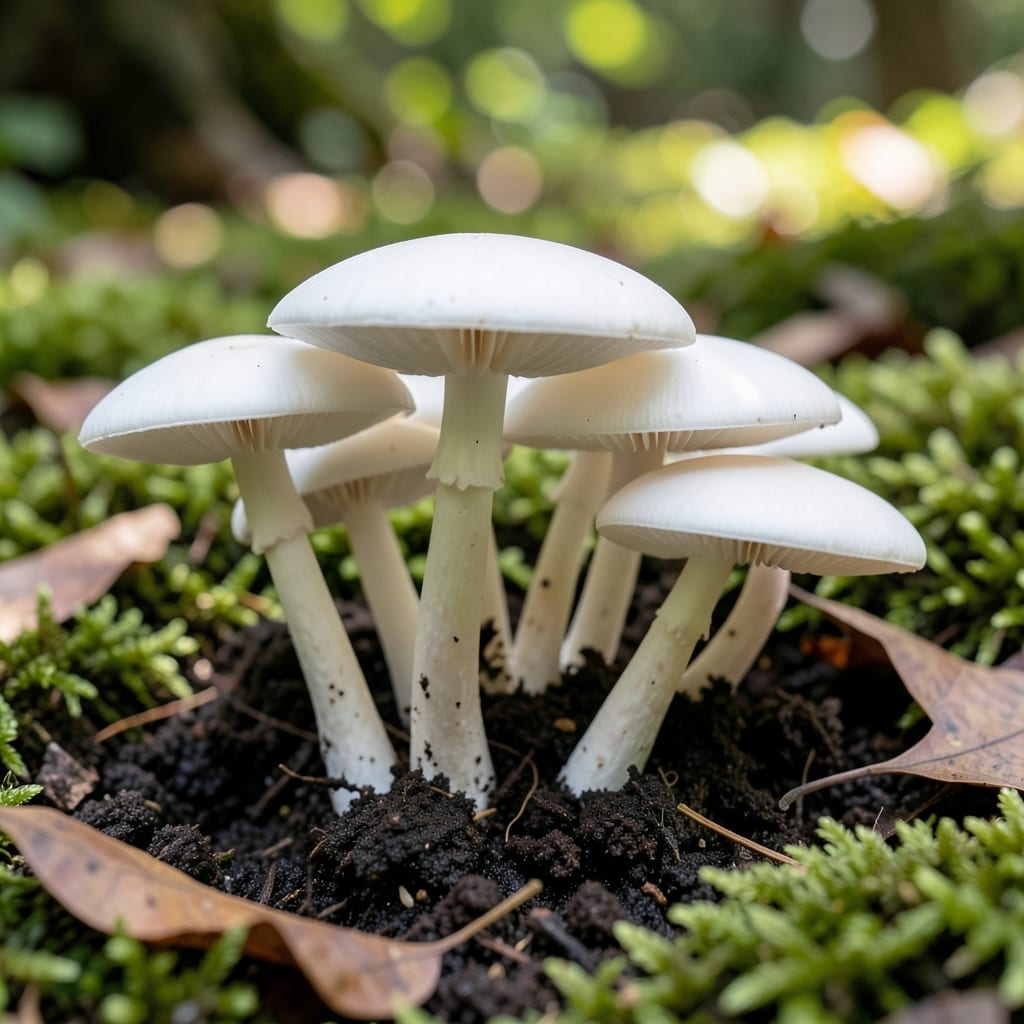
Woke up to a circle of mushrooms in my lawn last week. 🌱 Not a good sign—these fungi pop up overnight when conditions are just right, and some lookalikes can be downright dangerous.
They’re not just an eyesore; they signal excess moisture or organic matter breaking down beneath the surface. I learned the hard way that pulling them by hand only spreads the spores. The real fix starts with better drainage and soil health.
Within 2-3 weeks of adjusting watering habits and aerating compacted soil, you’ll see fewer surprises sprouting up. The lawn bounces back faster than you’d expect.
Works for any grass type, any climate. Here’s how to tackle it safely and keep them from coming back.
Lawn mushrooms often pop up unexpectedly, and their sudden presence is usually tied to specific environmental conditions. Below are the most common causes, explained with actionable insights.
Mushrooms thrive in damp environments. Overwatering, poor drainage, or heavy rainfall can create the perfect breeding ground for fungal growth. If your lawn stays soggy, spores in the soil germinate, leading to mushroom clusters. Fix it: Improve drainage with aeration or reduce watering frequency.
Decaying organic matter—like fallen leaves, grass clippings, or buried wood—feeds fungal mycelium. As this material breaks down, mushrooms emerge as the reproductive stage of fungi. Fix it: Rake up debris regularly and avoid leaving thick thatch layers.
Fungi flourish in temperatures between 50–90°F with high humidity. Warm seasons, especially after rain, accelerate spore activation. Shaded, poorly ventilated areas are prime spots. Fix it: Trim overhanging branches to increase sunlight and airflow.
Construction, landscaping, or even heavy foot traffic can bury fungal spores deeper into the soil. Once conditions are right, they sprout. Fix it: Avoid compacting soil and use sterile topsoil for new lawn sections.
Over-fertilized lawns, especially with nitrogen-heavy products, can stimulate fungal growth. Animal waste (e.g., pet urine or manure) also introduces spores. Fix it: Test soil pH and balance fertilization; promptly remove pet waste.
Dealing with unwanted mushrooms in your lawn? Here’s how to tackle the most common causes and keep them from coming back.
Mushrooms thrive in damp conditions. If your lawn stays soggy, aerate the soil to boost drainage. Use a garden fork or core aerator to create small holes, allowing water to seep deeper and dry out faster. For low-lying areas, consider installing a French drain or redirecting downspouts away from the lawn. Prevention tip: Water your lawn early in the day so the surface dries by evening. 💡 Avoid overwatering—1 to 1.5 inches per week is plenty.
Decaying leaves, wood chips, or buried construction debris (like old lumber) feed mushroom growth. Rake up fallen leaves, grass clippings, and other organic matter regularly. If mushrooms keep popping up in one spot, dig up the area (about 6 inches deep) to remove hidden wood or roots. Prevention tip: Use a mulching mower to finely chop grass clippings so they decompose faster.
Thick thatch or compacted soil can trap moisture and encourage mushrooms. Dethatch your lawn in early spring or fall if the thatch layer exceeds ½ inch. Overseed bare spots to promote healthy grass growth, which naturally crowds out mushrooms. Prevention tip: Trim nearby trees or bushes to let more sunlight reach the lawn—mushrooms love shade! ✨ A well-ventilated lawn is a mushroom-free lawn.
If you spot mushrooms you can’t identify (or know are toxic), do not touch them barehanded. Wear gloves and use a plastic bag to pick them, then dispose of them in the trash—not the compost. For a quick fix, mix 1 part vinegar with 4 parts water and spray directly on the mushrooms (avoid overspraying, as vinegar can harm grass). Prevention tip: Teach kids and pets to avoid wild mushrooms in the yard.
No, but many are toxic and hard to distinguish from safe varieties. Never eat wild mushrooms without expert identification. Even non-toxic ones can cause stomach upset.
No, this spreads spores and makes the problem worse. Remove the entire mushroom carefully with gloved hands and dispose of it in a sealed bag.
Reduce moisture by improving drainage and removing organic debris. Aerate compacted soil and avoid overwatering. 2-3 weeks of consistent care shows results.
Yes, animal waste introduces spores and nutrients that encourage growth. Always clean up after pets promptly and water the area to dilute urine.