
Beautiful Plants For Your Interior
Beautiful Plants For Your Interior
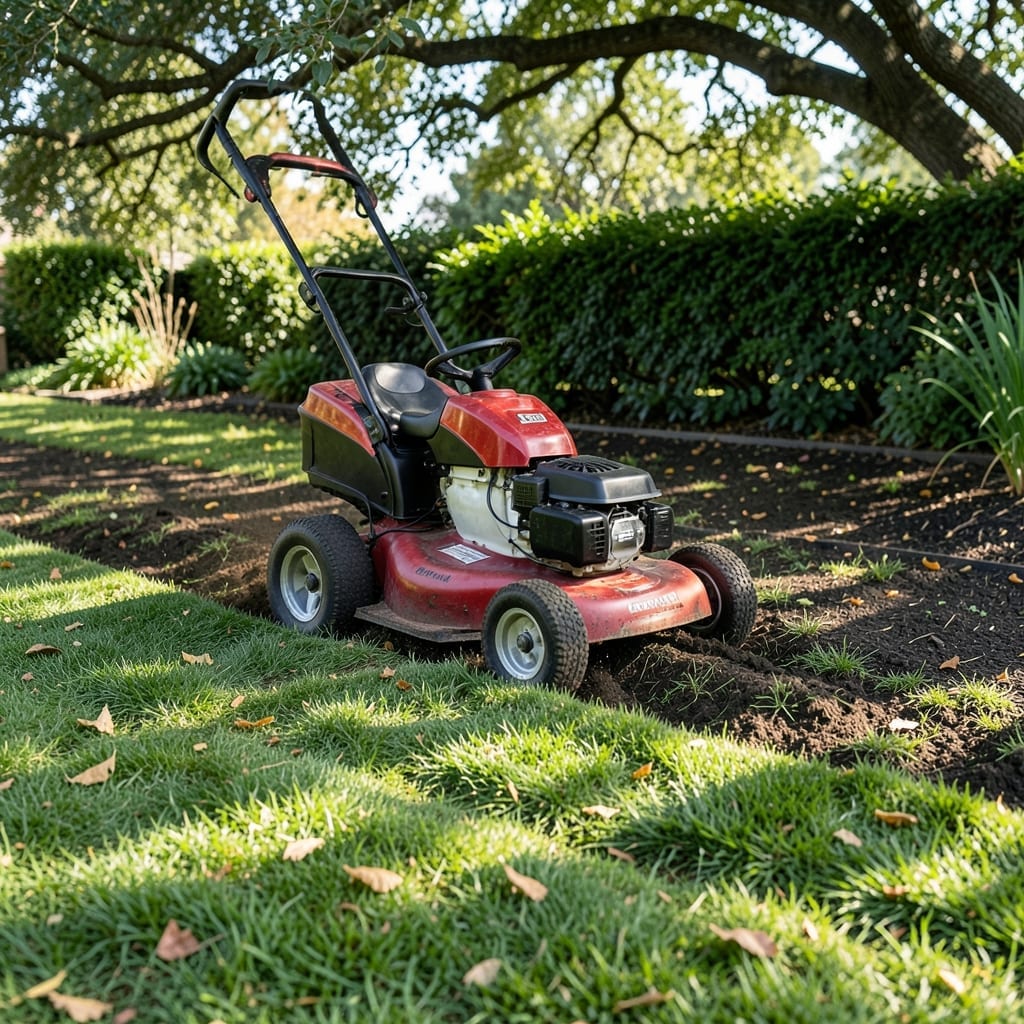
That rhythmic sput-sput-sput from your mower isn’t normal. I’ve been there—mid-lawn, engine racing like it’s possessed, while I’m just trying to keep my grass from looking like a jungle.
Nine times out of ten, it’s a simple fix: dirty air filter, gummed carburetor, or a spark plug that’s seen better days. These are the usual suspects that throw your mower’s engine into a surging fit.
Fix it right, and you’re back to smooth, even cutting in 30 minutes or less. No expensive mechanic visits, no waiting for parts—just basic tools and a little know-how.
Your lawn—and your sanity—will thank you. Here’s how to track it down and stop it cold.
A surging lawn mower typically stems from fuel or airflow inconsistencies in the engine’s combustion cycle. Below are the most common causes, explained with actionable insights.
The carburetor mixes air and fuel for combustion. Over time, old fuel residue, dirt, or varnish can clog its jets or passages, disrupting this balance. When the engine gets too much air or too little fuel intermittently, it starves and surges. A thorough cleaning with carburetor cleaner or a rebuild kit often fixes this.
Gasoline degrades over time, especially ethanol-blended fuels, which attract moisture and form gummy deposits. This debris can block fuel lines or the carburetor, causing erratic fuel flow. Always use fresh fuel (less than 30 days old) and add a fuel stabilizer if storing the mower.
A dirty air filter restricts airflow, forcing the engine to run lean (too much fuel, not enough air). This imbalance leads to inconsistent combustion and surging. Check the foam or paper filter—clean or replace it if it’s caked with dust or debris.
The governor regulates engine speed by adjusting throttle in response to load. If the governor spring is weak, misadjusted, or the linkage is sticky, the engine may oscillate between high and low RPMs. Lubricate moving parts and ensure the spring has proper tension.
A worn or fouled spark plug can cause misfires, leading to uneven power delivery. Inspect the plug for carbon buildup or electrode wear—replace it if the gap is incorrect or the insulator is cracked.
If your lawn mower is surging, it’s usually a quick fix. Below are the most common causes and their practical solutions, along with tips to keep the problem from returning.
Start by inspecting the air filter. A dirty or clogged filter restricts airflow, causing the engine to run unevenly. Remove the filter and tap it gently to dislodge debris. If it’s heavily soiled, clean it with soap and water (if paper or foam) or replace it with a new one. Prevention tip: Check and clean the air filter every 25 hours of use or before each mowing season. 💡
A gunked-up carburetor is a frequent culprit. Drain old fuel, then remove and disassemble the carburetor. Soak the parts in carburetor cleaner, scrubbing off residue with a soft brush. Pay special attention to the jets and float bowl. Reassemble and refuel with fresh gasoline. Prevention tip: Use fuel stabilizer and avoid leaving gasoline in the mower for more than 30 days. 🎯
Stale or water-contaminated fuel can cause sporadic surging. Drain the tank completely and refill it with fresh, ethanol-free gasoline (or a mix with the correct oil ratio for 2-stroke engines). Prevention tip: Store fuel in a sealed container and add a fuel stabilizer if storing the mower for weeks. ✨
The governor controls engine speed. If it’s loose or damaged, the mower may surge. Check the governor spring and linkage for wear or misalignment. Tighten loose screws or replace broken parts. Refer to your mower’s manual for adjustment specifics. Prevention tip: Inspect the governor mechanism during routine maintenance. 🌡️
A fouled or worn spark plug can lead to inconsistent combustion. Remove the plug, clean the electrode with a wire brush, and check the gap (typically 0.030 inches). Replace the plug if it’s cracked or heavily carbonized. Prevention tip: Replace the spark plug every season or after 100 hours of use. 🔥
Gasoline breaks down over time, forming deposits that clog fuel lines and carburetors. Always use fuel less than 30 days old or add stabilizer for storage.
Check it every 25 hours of use or at the start of each mowing season. Foam filters can be washed, while paper ones need replacement.
Start with the air filter—it takes 5 minutes to inspect and clean. If that doesn’t work, move to the carburetor or spark plug.
This often points to a weak governor spring or dirty carburetor. The engine struggles to maintain consistent RPMs when working harder.