
Beautiful Plants For Your Interior
Beautiful Plants For Your Interior
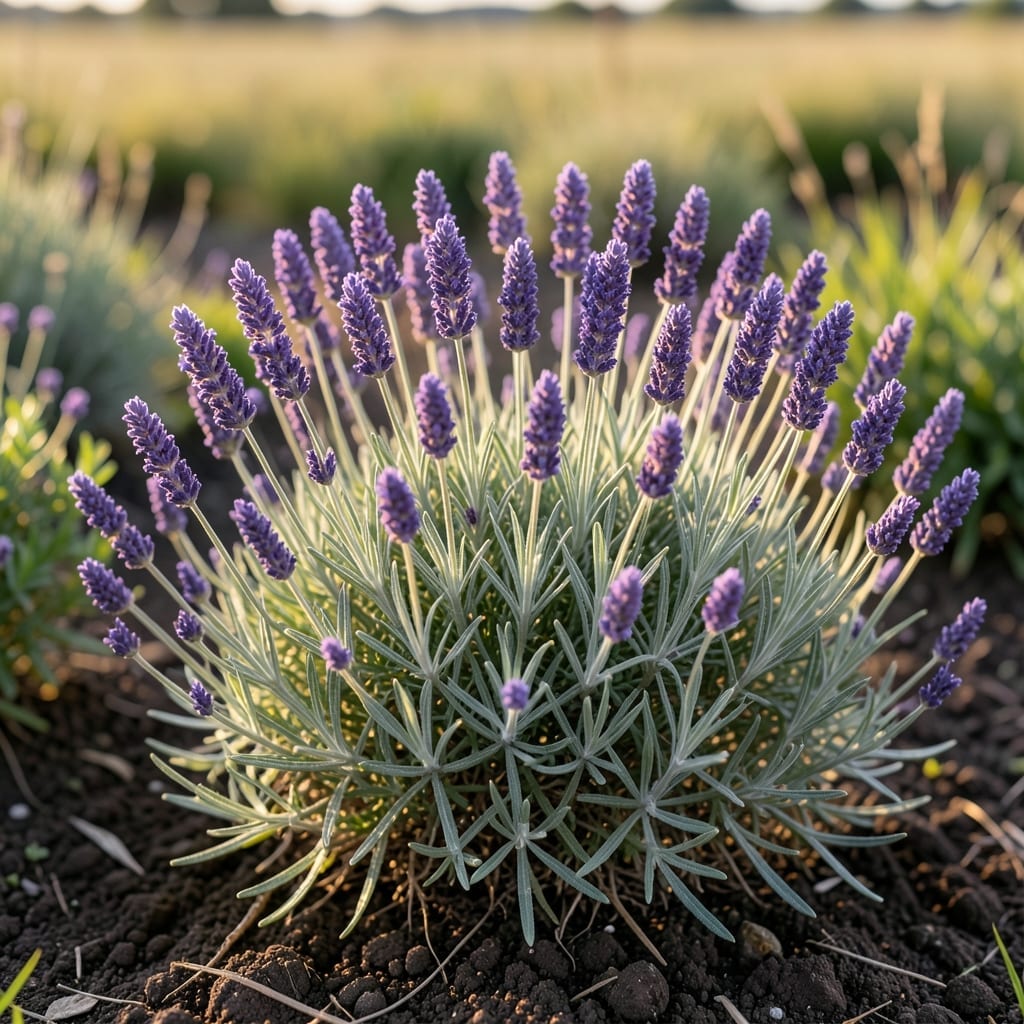
That perfect lavender garden you’ve been dreaming of? It all starts with sunlight. Without the right amount, your 🌿 Lavender won’t just struggle—it may never produce those iconic purple blooms.
I’ve seen too many gardeners plant with hope, only to watch their plants languish in the shade. The truth is, full sun isn’t optional for this herb—it’s essential.
Whether you’re working with a spacious backyard or a tiny balcony, understanding light exposure can make or break your success. And trust me, getting it right is easier than you think.
Let me show you exactly how to give your Lavender the light it craves, no matter where you’re growing it.
 Best Window Placement
If you’ve ever wondered why your lavender plants aren’t blooming as vibrantly as they should, the answer often lies in sunlight. I’ve learned that full sun exposure is absolutely essential for these fragrant beauties to reach their potential.
Most lavender varieties require a minimum of 6-8 hours of direct sunlight daily. This isn’t just a suggestion—it’s a necessity for healthy growth, strong stems, and those iconic purple blooms we all love. ☀️
| Variety | Daily Sun Needs | Shade Tolerance |
|---|---|---|
| English Lavender | 6-8 hours | Low |
| Spanish Lavender | 8+ hours | Very Low |
| French Lavender | 6-8 hours | Moderate |
I always recommend morning sunlight as the most beneficial for lavender. The cooler temperatures and gentler rays help prevent heat stress while still providing the energy needed for photosynthesis and flower production.
For gardeners in hotter climates, like USDA zones 8-9, some afternoon shade can actually benefit your plants. However, in cooler zones like 5-7, stick to full sun all day to maximize growth.
One thing I’ve noticed is that container-grown lavender often needs even more sunlight than in-ground plants. This is because pots can create root zone heat, and extra sun helps compensate for this. If you’re growing in containers, aim for 8+ hours of direct light.
Don’t make the mistake of thinking partial shade will work. While some plants tolerate it, lavender isn’t one of them. Without enough sun, you’ll likely see weak stems, fewer flowers, and a less fragrant plant. 🌱
If your garden doesn’t get full sun, consider raised beds or containers you can move to sunnier spots. I’ve had success with south-facing windowsills for potted lavender, though outdoor light is always preferable.
Remember that young lavender plants are more sensitive to intense sunlight. I recommend acclimating them gradually if you’re moving them from a nursery to full sun conditions. Start with 4-5 hours and increase over a week.
Finally, observe your plants. Healthy lavender in proper sunlight will have silver-green foliage and abundant blooms. If you notice yellowing leaves or sparse flowering, it’s often a sign to increase light exposure.
If your lavender plants look weak or sparse, insufficient sunlight might be the culprit. I’ve seen leggy growth and fewer blooms in shaded spots, which are classic red flags.
Other telltale signs include pale leaves and stunted stems. Without 6+ hours of sun, lavender struggles to produce its signature vibrant purple flowers and fragrance.
⚠️ Warning: Low Light Risks
Lavender in shade grows tall and sparse with weak stems. Move to full sun or trim nearby shade-causing plants.
To fix this, I recommend relocating pots to a sunnier spot or pruning overhanging branches that block light. Even partial shade can reduce flowering by 50% or more.
South-facing windows or open garden beds are ideal. If you’re growing indoors, a grow light for 12-14 hours can mimic natural sun.
Remember, English lavender is the most sun-loving variety. If you notice yellowing leaves, it’s often a sign of too much shade rather than water issues.
For best results, I always monitor sunlight daily. A simple sunlight tracker app can help ensure your lavender gets the intensity it craves. ☀️