
Beautiful Plants For Your Interior
Beautiful Plants For Your Interior
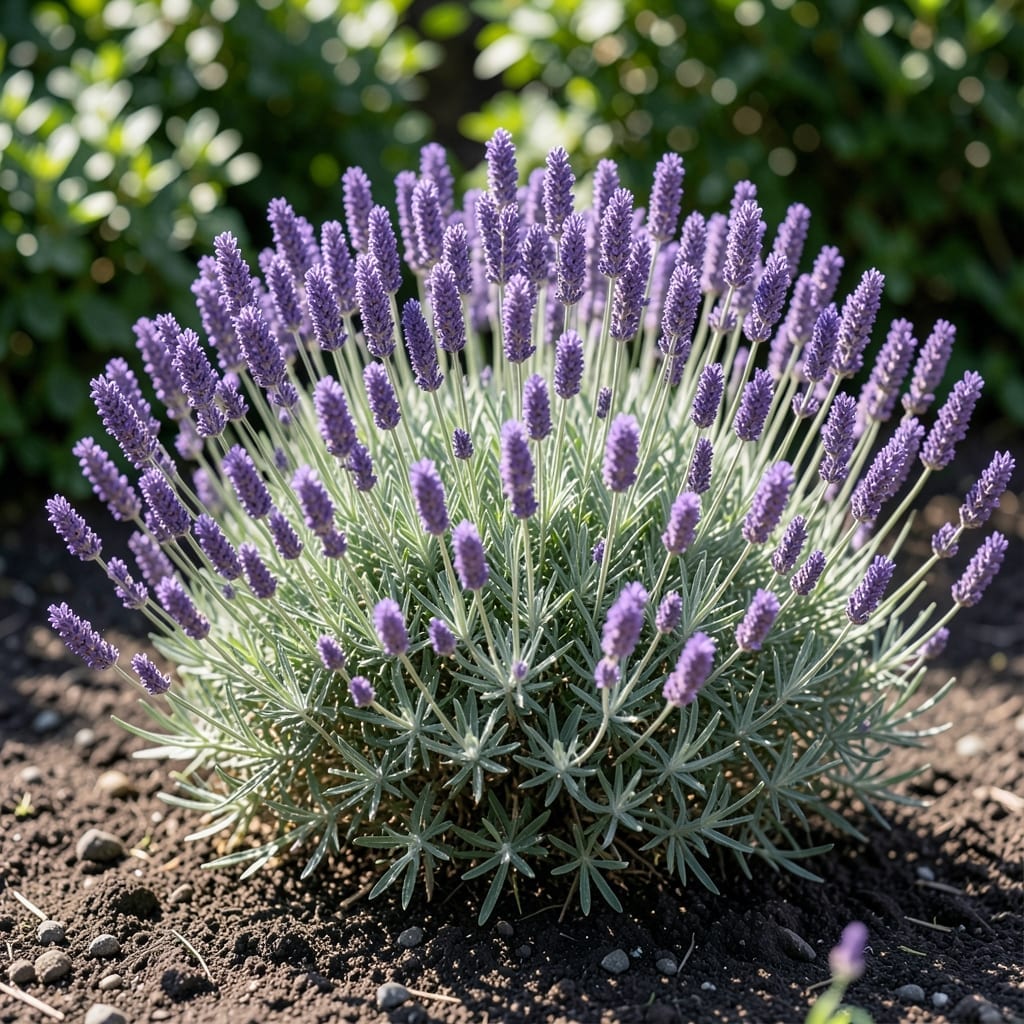
Lavender’s iconic fragrance and vibrant purple blooms depend heavily on one often-overlooked factor: sunlight. Get the light requirements wrong, and you’ll end up with sparse foliage and weak flowers.
I’ve seen many gardeners struggle with their 🌿 Lavender until they adjusted the sun exposure. The difference between thriving plants and struggling ones often comes down to this single element.
Understanding the ideal light conditions can transform your gardening experience. Whether you’re planting in zone 5-9 or adjusting for your specific location, the right sunlight makes all the difference.
Discover how to provide the perfect light for your Lavender to flourish with abundant blooms and healthy growth. Let’s get started on the path to gardening success.

If you want lavender plants to flourish with vibrant blooms and rich fragrance, sunlight is the key. These Mediterranean natives are sun-worshippers that demand plenty of light to thrive.
In my experience, 6 to 8 hours of direct sunlight daily is the sweet spot. Anything less, and you’ll notice weak stems and sparse flowers. Full sun isn’t just ideal—it’s essential for healthy growth.
| Requirement | Specification |
|---|---|
| Daily Sunlight | 6-8 hours |
| Light Type | Direct |
| Tolerance to Shade | Low |
| Best Window Direction | South-facing |
I’ve seen English lavender and Spanish lavender both respond beautifully to full sun exposure. Without it, plants become leggy and weak, struggling to produce their signature blooms.
For those in hotter climates, like USDA zones 8-9, lavender can handle even more sun. But in cooler zones, like 5-6, ensure they’re planted where they’ll get maximum light during shorter days.
If your garden has partial shade, consider raised beds or containers to position plants where they’ll catch the most rays. Even a few extra hours of sun can make a noticeable difference in bloom quality.
Watch for signs of insufficient light, such as yellowing leaves or stunted growth. These are red flags that your lavender isn’t getting the sun it craves. On the flip side, too much shade leads to fewer flowers and weaker scent.
For indoor lavender, place pots near a south-facing window where they’ll receive bright, direct light for most of the day. Grow lights can supplement if natural light is scarce, especially in winter.
Remember, lavender’s drought tolerance pairs perfectly with its love of sunlight. Once established, these plants thrive with minimal water and maximum sun, making them a low-maintenance dream for sunny gardens.
In my garden, I’ve found that morning sun is particularly beneficial, as it helps dry dew from the leaves, reducing the risk of fungal diseases. Pair this with well-draining soil, and you’ll have a winning combo for healthy lavender.
☀️Choosing the right location for your lavender plants can make or break their growth. Since these plants thrive on full sun, I always recommend south-facing spots in the garden for maximum exposure.
Raised beds and containers are excellent options if your garden has partial shade. They allow you to position plants where they’ll catch the most direct sunlight, even in less-than-ideal spaces.
In hotter climates, like USDA zones 8-9, lavender can handle intense afternoon sun. But in cooler zones, ensure they’re placed where they’ll get maximum light during shorter winter days.
If your garden is shady, consider using reflective mulches or light-colored stones to bounce extra light onto your plants. Even small adjustments can help lavender get the sun it needs.
For indoor lavender, a south-facing window is ideal. If natural light is limited, grow lights can supplement, especially during winter months when daylight is scarce.
I’ve found that morning sun is particularly beneficial. It helps dry dew from the leaves, reducing the risk of fungal diseases. Pair this with well-draining soil, and you’ll create the perfect environment for thriving lavender. ☀️