
Beautiful Plants For Your Interior
Beautiful Plants For Your Interior
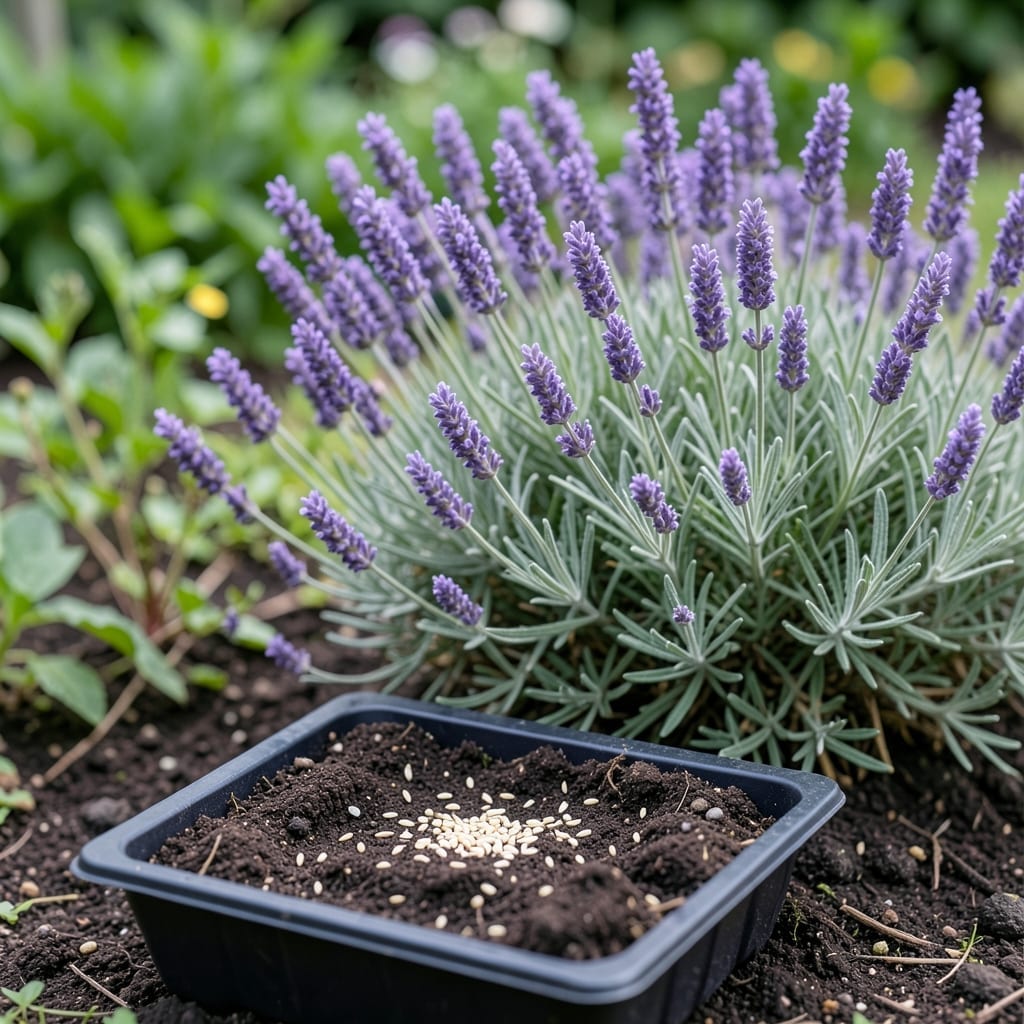
Patience truly is a virtue when you’re waiting for 🌿Lavender to sprout from seed. It’s not uncommon to wait 3 to 4 weeks before seeing any signs of life.
While this might seem slow, understanding the process makes it far less frustrating. Each seed is working hard beneath the soil, and the right conditions can speed up the timeline.
I’ll walk you through what to expect and how to create the ideal environment for your Lavender seeds to thrive. Let’s get started.
If you’re new to growing lavender from seed, the first thing to know is that it’s a slow starter. Most seeds won’t sprout for 14 to 28 days, and some may take even longer.
In fact, I’ve had batches of English lavender take up to 3 months to germinate. The timeline depends heavily on temperature, light, and seed freshness. Older seeds or cooler conditions can significantly delay the process.
| Stage | Timeframe | Key Conditions |
|---|---|---|
| Pre-germination | 1-2 weeks | Cold stratification at 40°F |
| Early Sprouting | 14-21 days | 70-75°F soil temperature |
| Active Growth | 21-28 days | Bright light, moist soil |
| Late Germination | Up to 90 days | Older seeds, cooler temps |
I’ve found that stratification can shave weeks off this timeline. By exposing seeds to cold temperatures for 2-4 weeks before planting, you mimic winter and trigger faster sprouting.
Once planted, keep the soil consistently moist but not soggy. Overwatering is a common mistake that leads to rot before the seeds even get a chance to sprout.
Light also plays a critical role. Lavender seeds need bright, indirect light to germinate. A south-facing window or grow lights set for 12-16 hours a day work best for me.
Remember, seed age matters too. Fresh seeds from a reputable supplier will germinate much faster than old seeds you’ve had stored for years. Always check the pack date when buying.
Another factor is soil temperature. Lavender prefers warmer soil, ideally between 70-75°F. A seedling heat mat can help maintain this, especially if you’re starting seeds indoors in early spring.
It’s also worth noting that different lavender varieties have slightly different timelines. For example, Spanish lavender tends to sprout faster than English lavender, but both benefit from the same optimal conditions.
If you’re still not seeing sprouts after 4 weeks, don’t give up. Sometimes, they just need more time. Keep the soil lightly moist and maintain steady warmth and light. Patience really is key with lavender.
🌱If you want to shorten the lavender germination time, stratification is my top recommendation. This cold treatment tricks seeds into thinking they’ve survived winter, which can cut germination time in half.
Simply place your lavender seeds in a damp paper towel inside a sealed plastic bag. Store them in the fridge at 40°F for 2-4 weeks before planting. This mimics natural winter conditions and prepares the seeds for faster sprouting.
I’ve had great success using a seedling heat mat to maintain consistent warmth. Without it, soil temperatures can fluctuate, especially on cold windowsills, which slows down the process significantly.
Your soil mix matters too. Lavender hates wet feet, so use a sandy, well-draining mix. I recommend blending 50% seed compost with 50% perlite or sand for best results.
Light is another critical factor. If natural light is weak, supplement with grow lights positioned 2-4 inches above the soil. This intensity encourages stronger, faster germination.
Finally, humidity control is often overlooked. A clear plastic cover creates a mini greenhouse effect, keeping moisture and warmth consistent. Just 🌱