
Beautiful Plants For Your Interior
Beautiful Plants For Your Interior
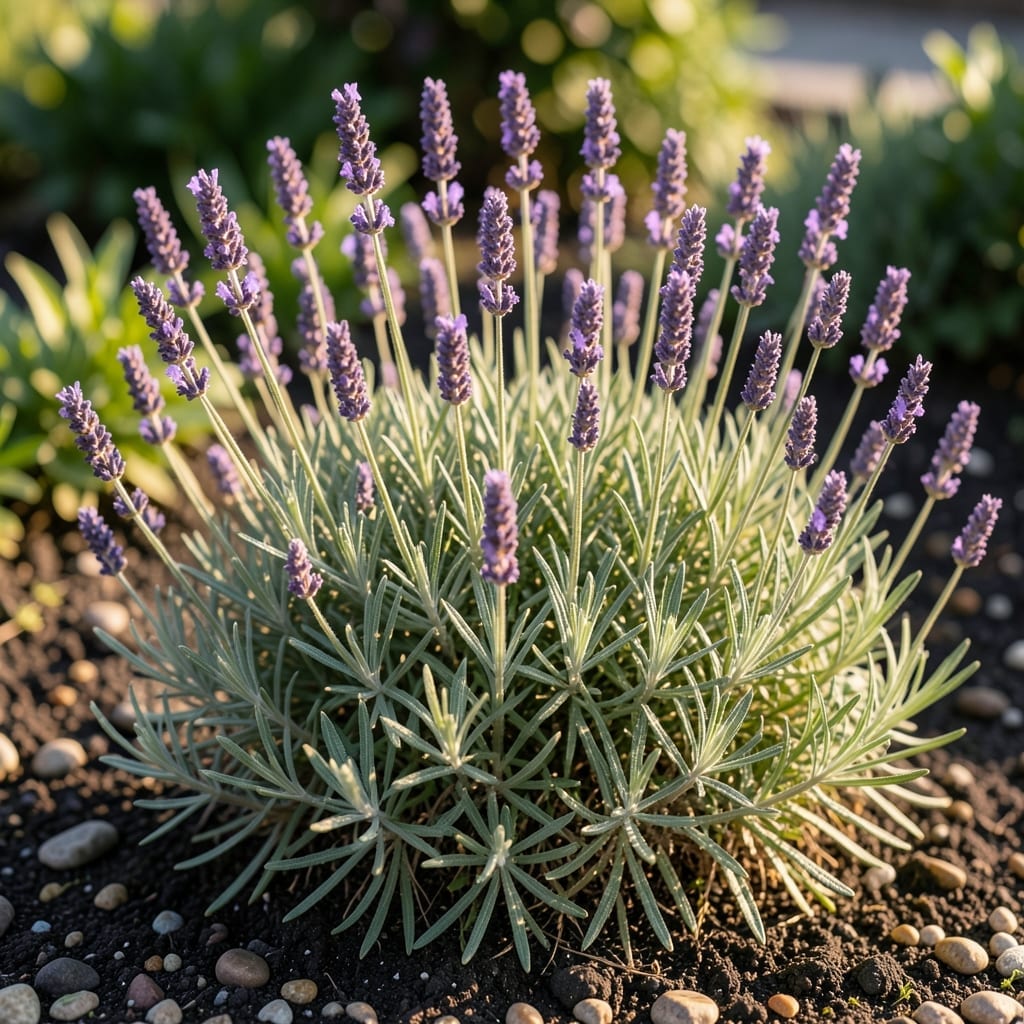
Understanding Lavender 🟣 plant size is key to designing a thriving garden. Whether you’re planting in borders, containers, or a dedicated herb patch, these fragrant perennials vary significantly in height and spread.
I’ve seen gardens transformed by the right spacing and pruning techniques. The difference between a crowded, struggling patch and a lush, vibrant display often comes down to knowing your plant’s mature dimensions.
From dwarf varieties to towering cultivars, each type has its own growth habits. Proper planning ensures your lavender gets the space it needs to flourish without overpowering its neighbors.
Discover how to match the perfect lavender size to your garden’s layout. With the right approach, you’ll create a stunning, low-maintenance oasis that thrives season after season.

When planning your lavender garden, knowing the mature size of each variety helps you space plants properly. English lavender typically reaches 2-3 feet tall with a similar spread.
Dwarf varieties like ‘Little Lady’ stay compact at 1-1.5 feet, perfect for containers or small borders. Meanwhile, Spanish lavender tends to be slightly smaller than English types.
| Variety | Height | Spread |
|---|---|---|
| English | 2-3 ft | 2-3 ft |
| French | 2-3 ft | 3-4 ft |
| Spanish | 1.5-2 ft | 2-3 ft |
| Dwarf | 1-1.5 ft | 1-2 ft |
Climate plays a role too. In warmer zones, lavender may grow slightly larger than in cooler areas. Pruning also impacts size—regular trimming keeps plants compact and bushy.
For example, ‘Munstead’ English lavender often stays at 18-24 inches if pruned annually. Without pruning, it can become leggy and unruly, reaching up to 3 feet.
Soil conditions affect growth as well. Poor, well-draining soil encourages a more compact habit, while rich soil may produce taller, lankier plants.
If you’re growing in containers, choose dwarf varieties like ‘Thumbelina Leigh’ which max out at 12-15 inches. This makes them ideal for balcony gardens or small patios.
For larger landscapes, giant lavender like ‘Grosso’ can reach 3-4 feet tall with a 4-foot spread, creating a dramatic, fragrant hedge.
Remember that first-year growth is usually smaller. Most lavender plants reach half their mature size in the first season, then fill out in the second year.
Finally, always check the specific cultivar tag when purchasing. Sizes can vary even within the same lavender type, so the label will give you the most accurate expectations for your garden 🌿
Managing lavender plant size ensures your garden stays neat and thriving. I’ve found that regular pruning is the most effective method to control height and spread. Early spring or late summer are ideal times to trim back growth.
For container gardening, smaller pots naturally restrict root growth, which limits overall size. Choose dwarf varieties like ‘Lady Lavender’ if space is tight. These stay compact at 12-18 inches tall and wide.
⚠️ Avoid Over-Pruning
Never cut into woody stems as this can harm the plant. Stick to trimming green growth only. Over-pruning can weaken lavender and reduce flowering.
Soil conditions also play a role. Poor, sandy soil encourages compact growth, while rich soil can lead to leggy plants. I recommend amending with sand or gravel to improve drainage and control size.
If you’re growing standard lavender, expect it to reach 2-3 feet tall. To keep it manageable, annual pruning is essential. Remove about one-third of the growth each year to maintain shape.
For hedge planting, space plants 18-24 inches apart to allow air circulation. This prevents disease and encourages bushier growth. I’ve seen great results with this method in my own garden.
Finally, watering habits influence size. Less frequent, deep watering encourages deeper root growth, which can help control top growth. Lavender is drought-tolerant, so resist the urge to overwater. 🌿