
Beautiful Plants For Your Interior
Beautiful Plants For Your Interior
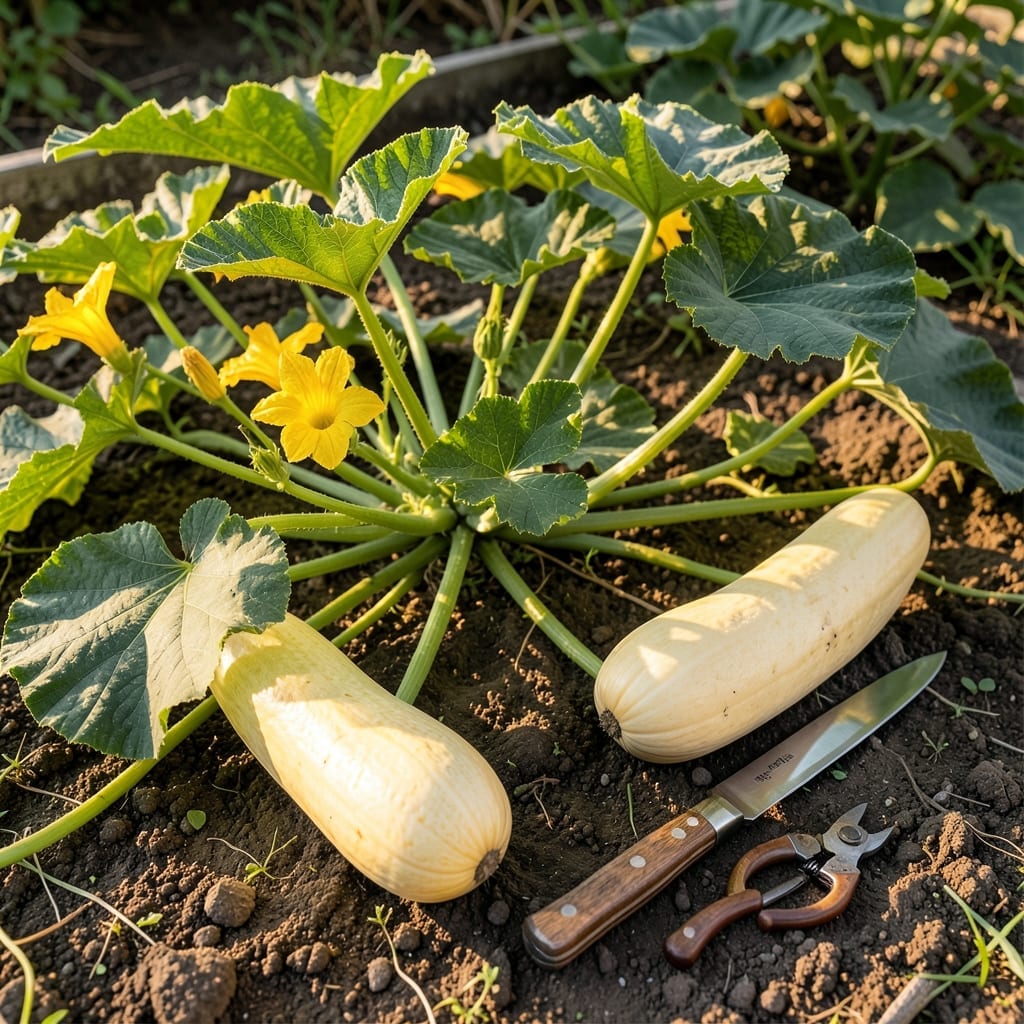
Dreaming of harvesting monster 🎃 Spaghetti Squash that feed the whole family? You’re not alone in wanting those impressive, table-filling gourds that make neighbors do a double-take.
Growing the biggest Spaghetti Squash isn’t about luck—it’s about giving your plants exactly what they need to thrive. From the soil they grow in to the space they have to stretch out, every detail matters.
I’ve learned through trial and error what truly makes a difference in size. The right techniques can transform your average harvest into something extraordinary.
Discover how to create the perfect conditions for your Spaghetti Squash to reach their full, impressive potential this growing season.
If you want record-breaking spaghetti squash, start with the right variety. I’ve tested dozens, and some consistently outperform others in size and yield. The key is choosing vigorously growing vines that can support massive fruit development. 🌿
Varieties like Orchid, Tivoli, and Vegetable Spaghetti are known for their ability to produce large, heavy squash. Each has unique traits, but all thrive with proper care and space.
| head-cell” data-kt-tsf-h=”Notes”>Notes | body-row”>body-cell” data-kt-tsf-label=”Notes”>Hybrid variety with high yield potential and disease resistance |
|---|---|
| body-row”> | body-cell” data-kt-tsf-label=”Notes”>Classic variety known for consistent size and rich flavor |
Orchid is my top pick for beginners. It’s a hybrid variety bred for disease resistance and high yields. The vines grow 6-8 feet long, giving plenty of room for multiple large squash to develop.
Tivoli is an heirloom favorite among seasoned gardeners. Its open-pollinated seeds mean you can save them year after year. The fruits often reach 4-5 pounds with proper care and spacing. 🌱
Vegetable Spaghetti is the classic variety that started it all. It’s reliable and produces consistently large squash with that signature stringy texture we all love. The plants are vigorous growers and adapt well to various climates.
For the largest spaghetti squash, give your plants plenty of space. I recommend 5-6 feet between plants and 8-10 feet between rows. This allows the vines to spread out and maximize fruit size.
Don’t forget about soil preparation. These varieties thrive in well-draining soil rich in organic matter. I always amend my beds with compost and a balanced fertilizer before planting.
Consistent watering is crucial for size. Aim for 1-2 inches per week, more during hot, dry spells. Use drip irrigation to keep foliage dry and prevent disease. ✂️
Finally, prune strategically to direct energy toward fruit production. Remove excess side shoots and focus on 2-3 main vines per plant. This helps the plant concentrate its resources on growing those monster squash.
To grow the largest spaghetti squash, I always start with rich, well-draining soil packed with organic compost. This gives vines the nutrients they need to produce massive fruits without stunting growth.
Next, I ensure proper spacing—at least 3-4 feet apart—so each plant gets full sun and air circulation. Crowding leads to smaller harvests and disease risks.☀️
I’ve found that consistent watering is key—1-2 inches per week keeps the soil moist but not soggy. Drip irrigation works best to avoid foliar diseases from overhead watering.
For an extra boost, I apply a balanced fertilizer like 5-10-10 every 4-6 weeks. High phosphorus supports fruit growth, while potassium strengthens plant health.
Don’t forget to prune strategically. I remove side shoots after the main vine sets 2-3 fruits. This focuses the plant’s energy on larger squash rather than more vines.
Finally, I monitor for pests like squash bugs and cucumber beetles, which can damage vines. Row covers early on help, but I remove them during flowering for pollination.🌱