
Beautiful Plants For Your Interior
Beautiful Plants For Your Interior
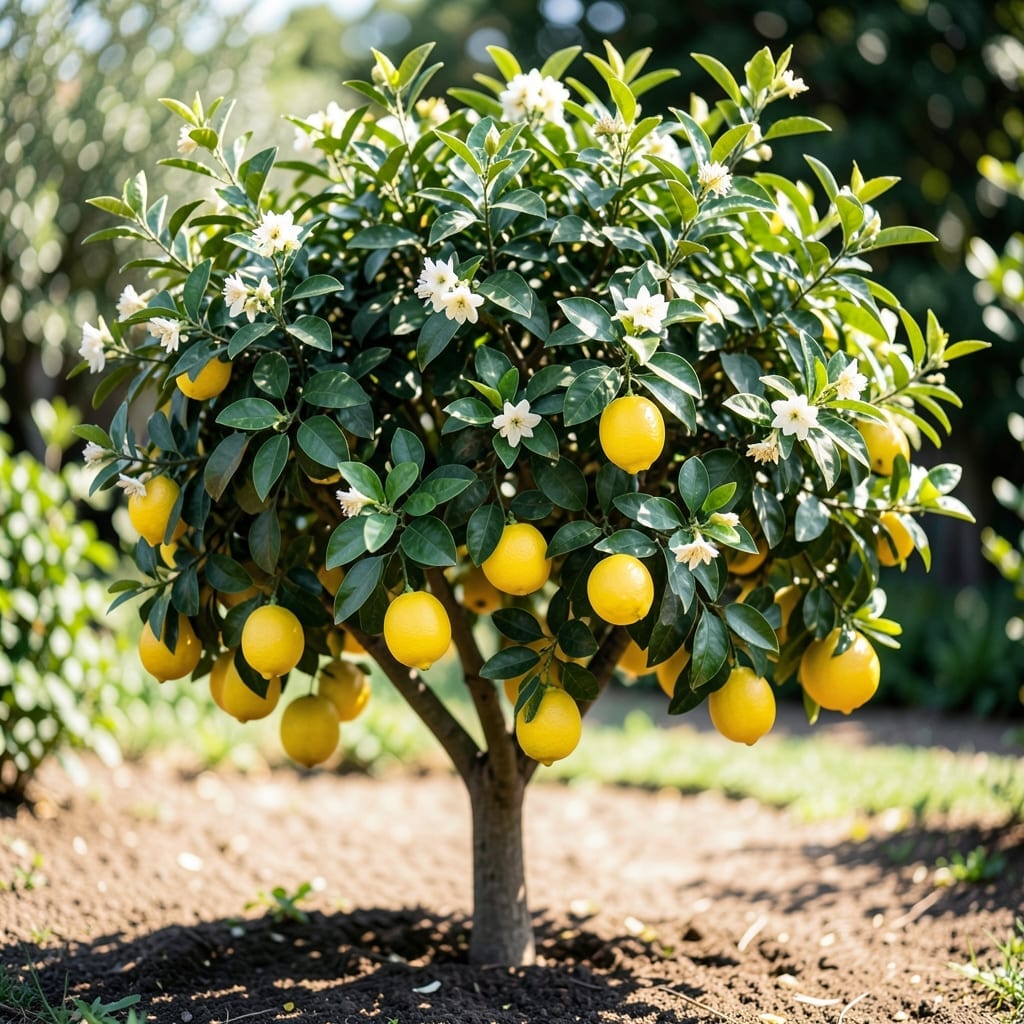
While most lemons fit in your palm, the Citron stands as a titan among citrus, weighing up to 10 pounds and measuring over a foot in diameter. This isn’t just a larger lemon—it’s a completely different growing experience.
Imagine harvesting a single fruit that dwarfs your standard grocery store lemons. The Citron, often called the key to impressive citrus gardening, offers gardeners a chance to grow something truly extraordinary.
I’ll walk you through everything you need to know to cultivate this giant successfully. From ideal growing conditions to care tips, you’ll discover how to bring this citrus wonder to your own backyard.
Whether you’re a seasoned gardener or just starting out, the Citron promises a rewarding challenge. Let’s explore how to make this game-changer thrive in your garden.
When I first heard about the Citron lemon, I couldn’t believe a citrus fruit could grow so large. Unlike typical Eureka lemons that weigh just 4-6 ounces, the Citron can tip the scales at 10 pounds or more.
This giant citrus isn’t just big—it’s a conversation starter in any garden. Its thick rind and massive size make it look more like a small melon than a lemon. Gardeners love its unique appearance and the challenge of growing it. 🌿
| Feature | Citron Lemon | Regular Lemon |
|---|---|---|
| Size | 10-12 inches | 2-4 inches |
| Weight | Up to 10 lbs | 4-6 oz |
| Rind Thickness | Extremely thick | Thin |
| Growth Habit | Tree up to 20 ft | Tree 10-15 ft |
The Citron’s thick rind is one of its most distinctive features. It can be 1-2 inches thick, which is unusual for lemons. This makes it perfect for preserving or making candied peel, though the pulp is limited compared to its size.
I’ve found that Citron trees require more space than standard lemon trees. They can grow 12-20 feet tall in ideal conditions, so planting them in open areas is key. Their large leaves and thorny branches add to their dramatic presence. 🌳
What surprises many gardeners is that the Citron isn’t a true lemon. It’s actually a separate citrus species (Citrus medica) but is often grouped with lemons due to its similar care needs and tart flavor.
This citrus giant thrives in USDA zones 9-11, just like most lemons. However, its size and weight mean branches may need support to prevent breaking under the fruit’s load.
When growing Citron, I recommend staking young trees and pruning carefully to encourage strong branch development. The fruit’s long growing season (up to 2 years) also requires patience.
Unlike regular lemons, Citron fruits are not typically juiced. Their value lies in the rind, which is used in gourmet cooking and preserves. This makes them a specialty crop for adventurous gardeners. ✂️
The tree’s fragrant white flowers are another highlight, attracting pollinators like bees and butterflies. In my experience, these blooms appear in spring and fall, adding seasonal beauty to the garden.
If you’re looking for a showstopper plant that breaks the mold of typical citrus, the Citron is an excellent choice. Its impressive size and unique characteristics make it a standout in any landscape. 🌱
Growing the Citron lemon requires warm climates and full sun exposure. These giants thrive in USDA zones 9-11, where frost is rare. I recommend planting in spring for best results.
Start with well-draining soil enriched with compost. The Citron needs consistent moisture but hates soggy roots. A deep watering once a week is ideal during dry spells.
I’ve found that mulching helps retain moisture and regulate soil temperature. Use organic mulch like wood chips, keeping it 3 inches from the trunk to prevent rot.
Prune your Citron lightly to shape and remove dead branches. This improves air circulation and reduces disease risk. Always use clean, sharp tools for best results.
Watch for pests like aphids or scale. A neem oil spray works wonders without harming beneficial insects. Regular inspections catch problems early.
With proper care, your Citron will reward you with massive, impressive fruits that are as fun to grow as they are to show off. The key is patience and consistency.
☀️