
Beautiful Plants For Your Interior
Beautiful Plants For Your Interior
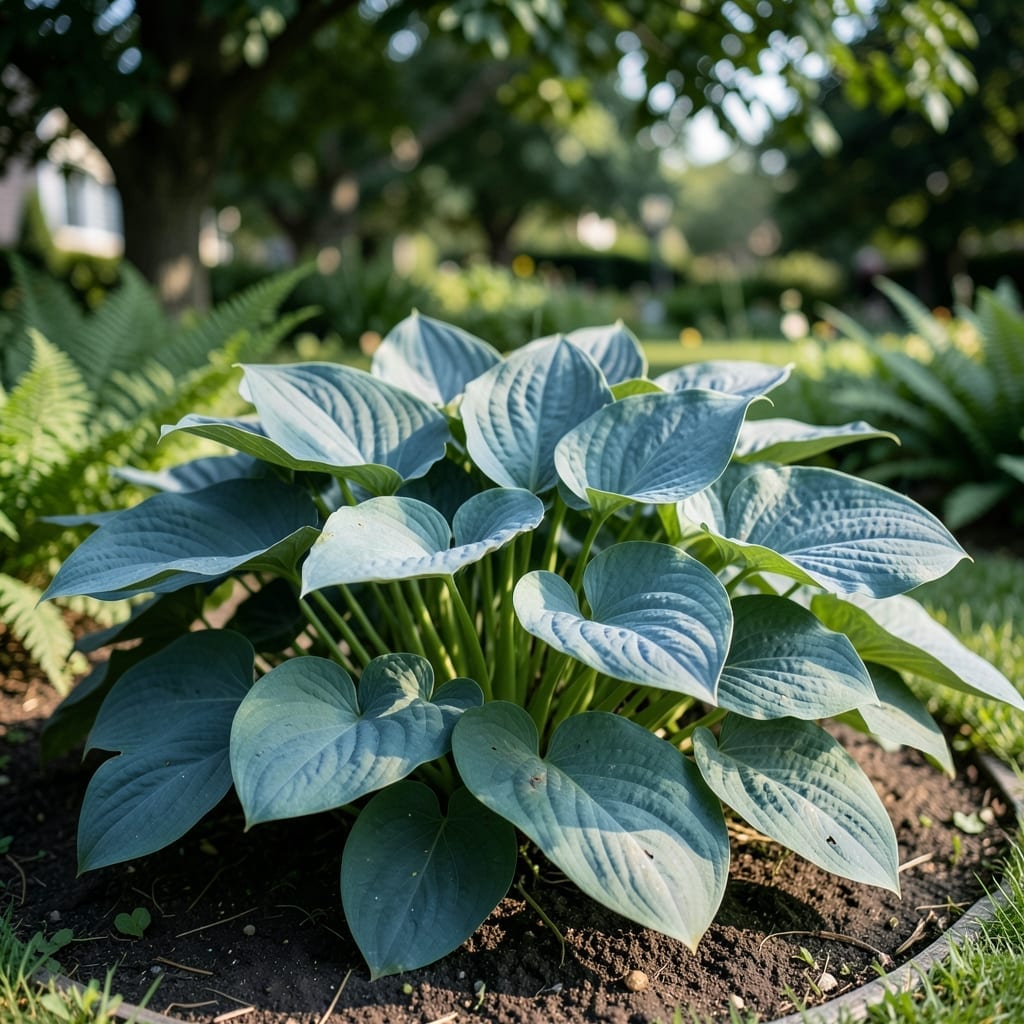
If you’re looking to create a dramatic statement in your shade garden, giant hostas are the answer. These leafy behemoths can transform any landscape with their massive, lush foliage.
The 🌿 Hosta comes in varieties that grow bigger than you might imagine, with some leaves spanning 2 feet wide. They thrive in USDA zones 3-9, making them versatile for many gardens.
I’ve seen firsthand how these giants can turn a bland corner into a showstopping feature. With the right care, they’ll reward you with impressive size and vibrant color.
Let me show you how to grow these magnificent plants and make them the centerpiece of your outdoor space.
If you want show-stopping foliage in your shade garden, giant hostas deliver like no other plant. These varieties can produce leaf spans wider than dinner plates, creating a tropical jungle vibe in temperate climates. I’ve seen them transform boring corners into lush focal points.
The largest hosta cultivars aren’t just big—they’re architectural elements that command attention. Their massive leaves create bold textures that pair beautifully with fine-leaved ferns or delicate flowers. The secret is choosing the right variety for your space.
| Variety | Mature Height | Leaf Size | Notable Traits |
| Empress Wu | 4-5 ft | 2 ft wide | Chartreuse leaves |
| Big Daddy | 2-3 ft | 18 in long | Blue-green foliage |
| Blue Angel | 3-4 ft | 16 in wide | Powdery blue leaves |
| Sum and Substance | 3-4 ft | 22 in long | Golden-yellow leaves |
Empress Wu currently holds the crown as the largest hosta available to gardeners. This monster can reach 5 feet tall with leaves measuring 2 feet across. It’s a true conversation starter that needs plenty of space to shine.
Big Daddy might not be as tall but makes up for it with thick, corrugated leaves that look almost artificial. The blue-green color intensifies in shade, making it perfect for those deep wooded areas where other plants struggle.
Blue Angel offers a different kind of drama with its powdery blue leaves that seem to glow in shade. At 3-4 feet tall, it creates a stunning backdrop for white or light-colored flowers. The color is most vibrant in morning shade.
Sum and Substance brings golden brilliance to shady spots where most golden plants fail. Its 22-inch long leaves create a waterfall effect that brightens dark corners. This variety needs more light than others to maintain its vibrant color.
For the absolute largest impact, plant these giants in groups of three or five. The layered effect creates depth and makes your garden look established overnight. Just remember they’ll need 3-5 feet of space each at maturity.
These varieties aren’t just big—they’re low-maintenance powerhouses. Once established, they’ll thrive with minimal care as long as you provide consistent moisture and rich soil. Their size also makes them deer magnets, so protection might be necessary.
I always recommend planting them where you can view them from indoors too. There’s nothing like looking out your window to see those massive leaves swaying gently in the breeze. 🌿
To grow the largest hosta plant varieties, you’ll need to provide ideal conditions. These giants thrive in partial shade with 4-6 hours of filtered sunlight daily.
I’ve found that rich, well-draining soil is absolutely essential. Amend your planting area with plenty of organic compost to give them the best start.
In my experience, morning watering works best. It gives the plants time to absorb moisture before the heat of the day. Avoid overhead watering to prevent fungal issues.
The best time to plant is in spring or early fall. This gives the roots time to establish before extreme temperatures. I always recommend planting in cool, cloudy weather.
Don’t forget about seasonal care. In summer, you may need to water twice weekly during dry spells. In fall, reduce watering but keep the soil moist until frost.
With proper care, your giant hostas will reach their full potential in just a few years, creating that dramatic garden focal point you’ve been dreaming of 🌿