
Beautiful Plants For Your Interior
Beautiful Plants For Your Interior
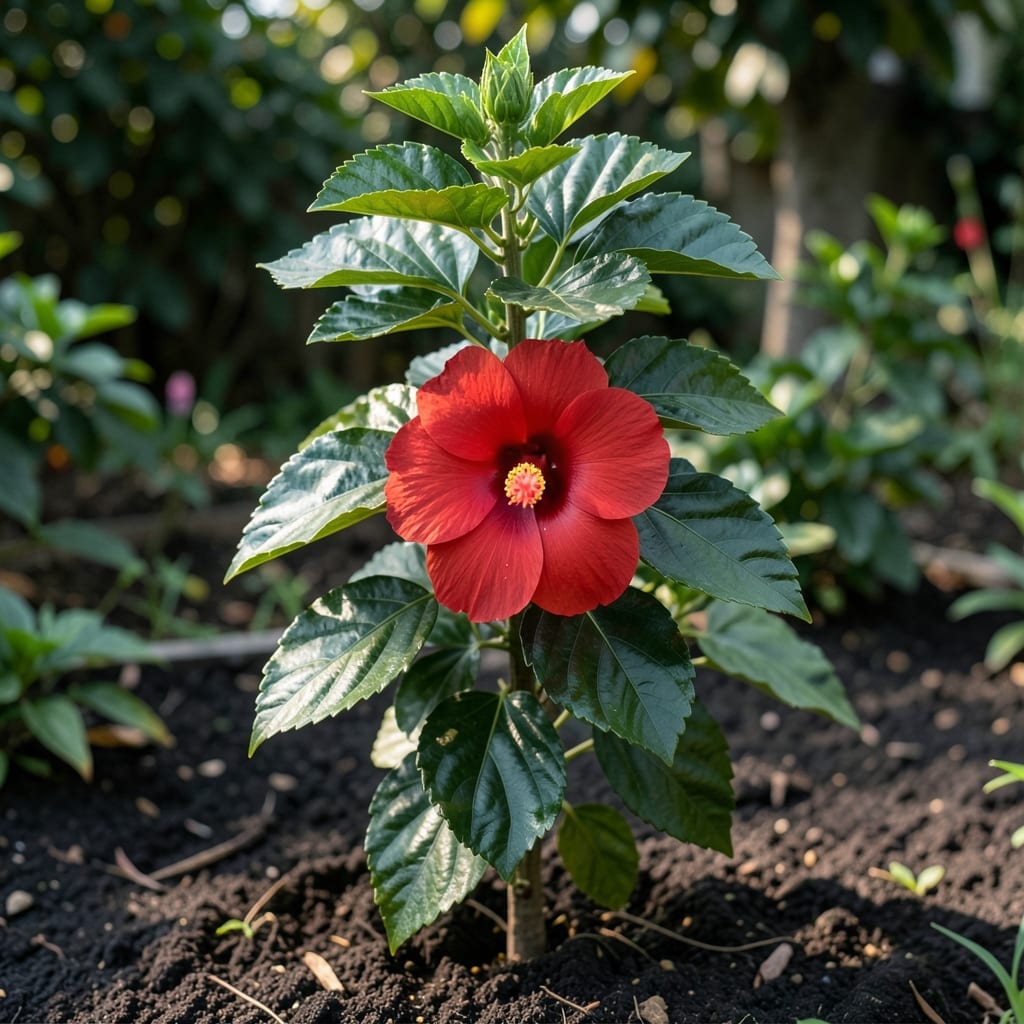
Imagine stepping into your garden and being greeted by dinner-plate-sized blooms that look like they belong in a tropical paradise. That’s the magic of growing the largest Hibiscus varieties.
These stunning 🌺 flowers can transform any outdoor space with their vibrant colors and impressive size. But achieving those show-stopping blooms isn’t just about luck—it’s about knowing the right varieties and care techniques.
I’ve spent years testing different Hibiscus types and growing methods to find what truly works. Whether you’re a seasoned gardener or just starting out, you’ll discover how to cultivate these giants with ease.
From soil secrets to sunlight needs, I’ll share everything you need to grow Hibiscus flowers that stop neighbors in their tracks. Let’s make your garden the talk of the town.
If you want dinner-plate-sized hibiscus in your garden, start with the right variety. I’ve tested many, and some truly stand out for their massive flower size and vibrant colors. These blooms can reach 8-12 inches across in ideal conditions.
Choosing the largest varieties is just the first step. Each has unique needs for sunlight exposure, soil type, and care. Let me walk you through the top performers that will make your garden the talk of the neighborhood.
| Variety | Flower Size | Unique Trait |
|---|---|---|
| Hibiscus rosa-sinensis ‘Dinner Plate’ | Up to 12 inches | Vibrant pink, red, or yellow blooms |
| Hibiscus mutabilis ‘Confederate Rose’ | Up to 6 inches | Changes from white to pink as it matures |
| Hibiscus syriacus ‘Diana’ | Up to 4-6 inches | Pure white blooms with ruffled edges |
| Hibiscus ‘King Kamehameha’ | Up to 10 inches | Striking red and yellow contrast |
The ‘Dinner Plate’ hibiscus is my top pick for sheer size. Its flowers can grow as large as a dinner plate, hence the name. They thrive in full sun and need regular feeding to maintain their impressive size.
For something unique, ‘Confederate Rose’ offers a color-changing show. Its blooms start white in the morning and gradually turn pink by evening. This variety also tolerates partial shade better than others.
If you prefer cold-hardy options, ‘Diana’ is a great choice. It’s one of the few hibiscus varieties that can survive USDA zones 5-9. Its pure white blooms are smaller but still stunning.
For tropical flair, ‘King Kamehameha’ delivers with its bold red and yellow flowers. This variety needs consistent warmth and humidity to produce its largest blooms.
Remember, flower size depends on growing conditions. Even the best varieties won’t reach their potential without proper soil preparation, watering, and fertilization. I’ll cover these care tips in detail next.
Each of these varieties brings something special to your garden. Whether it’s size, color, or unique traits, there’s a large-flowered hibiscus perfect for your space. 🌺
To grow the largest hibiscus flowers, start with rich, well-draining soil and ensure your plants get 6+ hours of direct sunlight daily. I’ve found that consistent moisture is key, but avoid waterlogging.
Fertilize every 4-6 weeks with a balanced 10-10-10 feed to promote robust growth and bigger blooms. Prune regularly to encourage new growth and remove spent flowers.
I always recommend testing your soil pH—hibiscus thrives in slightly acidic soil (pH 6.1-6.5). If your soil is too alkaline, amend it with sulfur or peat moss.
For potted hibiscus, ensure containers have drainage holes and use a light, airy potting mix. Repot every 2-3 years to refresh nutrients and prevent root binding.
In hotter climates, provide afternoon shade to protect blooms from scorching. This small adjustment can significantly improve flower size and longevity.
Finally, watch for pests like aphids or spider mites, which can stress the plant and reduce bloom quality. Regular inspections and neem oil treatments keep them in check. 🌺