
Beautiful Plants For Your Interior
Beautiful Plants For Your Interior
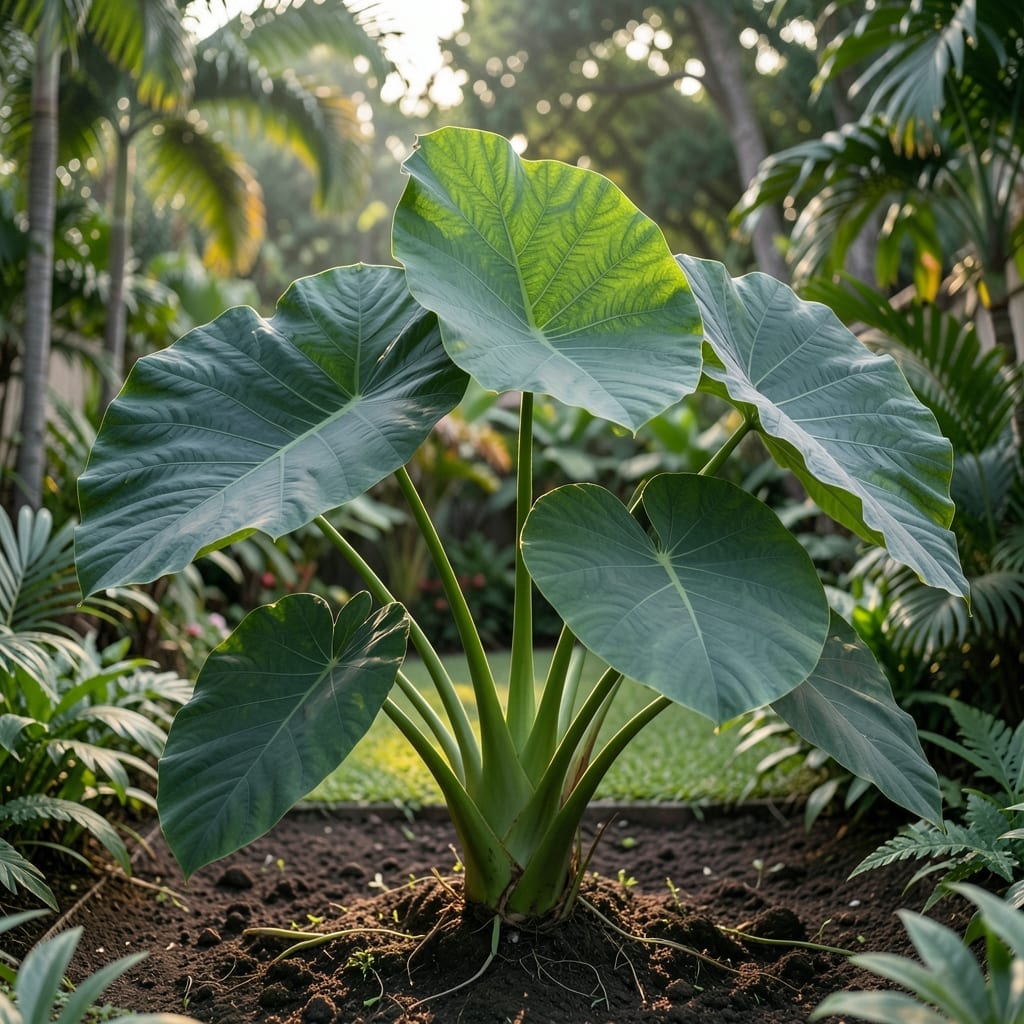
Imagine stepping into your garden and being greeted by leaves so large they could double as umbrellas. The 🌿 Elephant Ear plant delivers exactly that kind of drama with its stunning tropical foliage.
These impressive plants can transform any outdoor space into a lush paradise. With the right care, you can grow leaves that span up to 3 feet wide, creating a bold statement in your landscape.
I’ve learned the secrets to maximizing their size through proper planting techniques and ideal growing conditions. The results are nothing short of spectacular.
Let me show you how to cultivate these giants in your own backyard. You’ll be amazed at how quickly they can grow when given the right attention.
If you want dramatic tropical foliage, the largest elephant ears are unbeatable. These giants can transform any garden into a lush paradise with their massive leaves and bold presence. I’ve grown several varieties, and the size differences are stunning.
Among the most impressive are Colocasia gigantea, which can reach 9 feet tall with leaves spanning 3 feet wide. Then there’s Alocasia macrorrhizos, known for its upright growth and striking veining.
| Variety | Mature Height | Leaf Size | Growth Habit |
|---|---|---|---|
| Colocasia gigantea | 6-9 ft | 2-3 ft wide | Spreading |
| Alocasia macrorrhizos | 6-8 ft | 2 ft wide | Upright |
| Xanthosoma sagittifolium | 5-7 ft | 1.5-2 ft wide | Clumping |
Colocasia gigantea is my top pick for sheer size. Its heart-shaped leaves are a showstopper, and it thrives in wet soil, making it perfect for boggy areas or near ponds. The deep green color contrasts beautifully with lighter foliage.
Alocasia macrorrhizos is another favorite. It prefers partial shade and has thick, glossy leaves that can withstand wind better than other varieties. I’ve found it’s more drought-tolerant once established, which is a bonus in drier climates.
Xanthosoma sagittifolium is slightly smaller but still impressive. Its arrow-shaped leaves add a unique texture to the garden. It’s also more cold-hardy, surviving brief dips below freezing if mulched heavily.
For the most dramatic effect, plant these varieties in clusters. I like to mix Colocasia and Alocasia together for a layered look. Just ensure they have rich, moist soil and protection from strong winds, which can tear the leaves.
If you’re in a cooler climate, consider growing them in large containers. This allows you to move them indoors during winter. I’ve had success overwintering Colocasia in pots in my garage with minimal light.
No matter which variety you choose, these largest elephant ears will create a tropical vibe in your garden. Their bold foliage pairs well with ferns, hostas, and other shade-loving plants.
Remember, the key to maximizing size is consistent moisture and regular feeding with a balanced fertilizer. I feed mine every 4-6 weeks during the growing season for the best results.
With the right care, these plants will reward you with stunning, oversized leaves that are sure to impress 🌿
To grow the largest elephant ears, start with rich, well-draining soil amended with organic compost. These tropical giants thrive in slightly acidic to neutral pH levels between 5.5 and 7.0.
I always recommend consistent moisture—these plants love 1-2 gallons of water per week, especially during hot summer months. But avoid waterlogged soil, as this can rot the tubers.
For bigger leaves, I focus on high-nitrogen fertilizers early in the season to promote foliage growth. Switch to balanced feed once the plants establish their tropical canopy.
Don’t underestimate the power of proper spacing. Crowded plants compete for nutrients and sunlight, resulting in smaller leaves. Give each tuber 3 feet of space all around.
Morning sun is ideal for elephant ears. It provides gentle warmth without the harsh afternoon rays that can scorch those beautiful leaves.
Finally, in cooler climates, dig up tubers before frost and store them in a dark, dry place at 50-60°F. Replant in spring after danger of frost passes.
With these tips, you’ll be rewarded with massive, vibrant leaves that transform any garden into a tropical retreat 🌿