
Beautiful Plants For Your Interior
Beautiful Plants For Your Interior
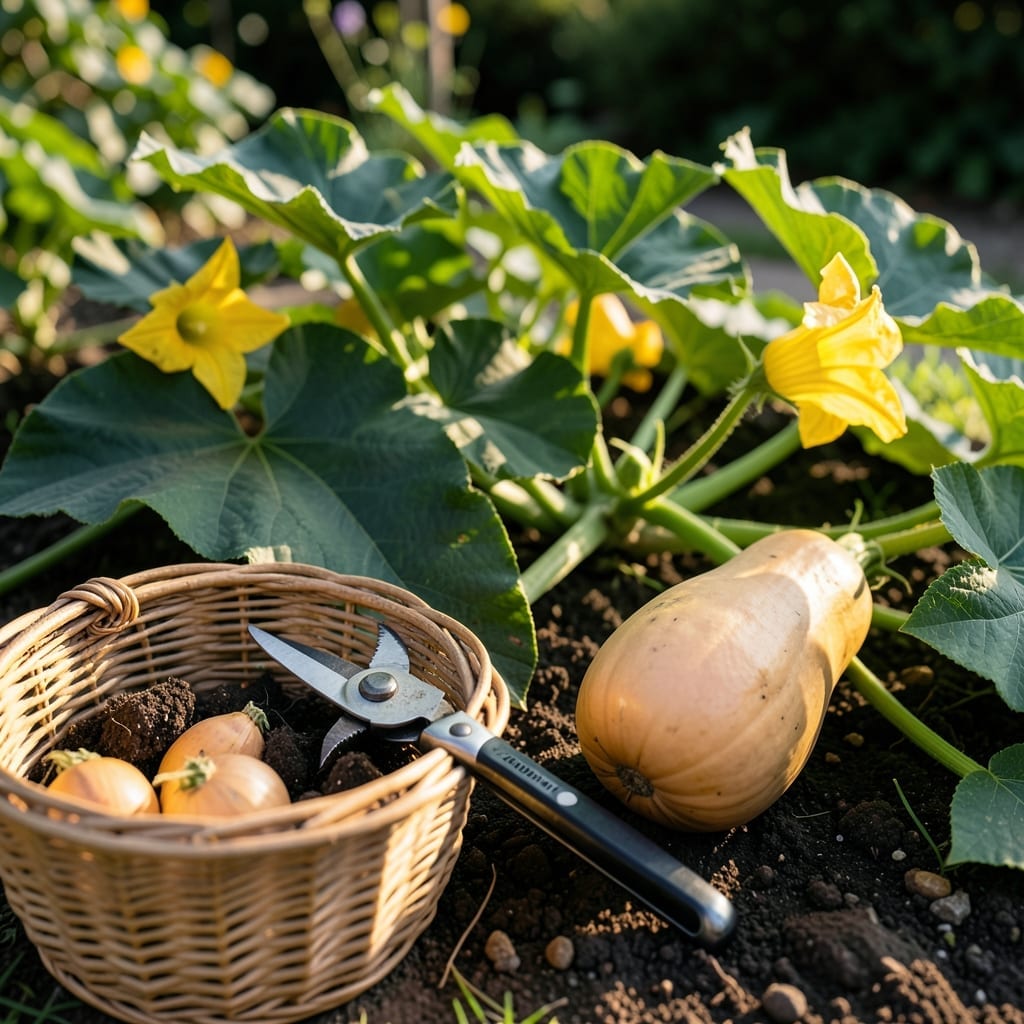
Growing the largest butternut squash isn’t just about luck—it’s about mastering the right techniques. Whether you’re aiming for a new world record or just want to impress your neighbors, these proven methods will help you cultivate massive, prize-worthy 🎃 squash.
I’ve spent seasons perfecting my approach, and what I’m about to share will transform your garden. With the right soil, consistent care, and a few key strategies, you can maximize both size and yield.
Butternut Squash thrives in USDA Zone 6a, and timing is everything. Planting between April and June sets the stage for a bountiful harvest come September.
Discover how to give your plants the best start and watch them grow bigger than ever before. Let’s dive into the secrets of record-breaking Butternut Squash.
To grow the largest butternut squash, start with rich, well-draining soil that’s been amended with compost or aged manure. This gives your plants the nutrient boost they need from day one.
I always recommend testing your soil’s pH level first – butternut squash thrives in slightly acidic to neutral soil (6.0-7.0). A simple soil test kit can save you from stunted growth.
| Requirement | Specification |
| Soil Type | Loamy, well-draining |
| pH Level | 6.0-7.0 |
| Sun Exposure | 6-8 hours daily |
| Water Needs | 1-2 inches weekly |
| Spacing | 3-4 feet apart |
Give your plants full sun exposure – at least 6-8 hours of direct sunlight daily. I’ve found that south-facing plots work best for maximizing size in most gardens.
Consistent watering is crucial, especially during fruit development. Aim for 1-2 inches per week, watering deeply at the base to encourage strong root growth.
Don’t overlook proper spacing – plant seeds 3-4 feet apart to prevent competition. Crowded plants will produce smaller squash, no matter how good your soil is.
I swear by organic mulch to retain moisture and suppress weeds. A 2-3 inch layer of straw or shredded leaves works wonders around the base of your plants.
Feed your plants with a balanced fertilizer (10-10-10) every 4-6 weeks. Switch to a low-nitrogen formula once fruits start forming to promote size over leaf growth.
Hand-pollination can significantly increase fruit size. I use a soft paintbrush to transfer pollen between flowers on dry, sunny mornings for best results.
Finally, be patient. The largest butternut squash varieties can take 90-100 days to mature. Resist the urge to harvest too early – let them reach their full potential on the vine. ☀️
If you want to grow the largest butternut squash, starting with the right variety is key. Some cultivars are specifically bred for giant fruit production, making them ideal for record-breaking attempts. I’ve tested several, and the differences in size potential are remarkable.
Varieties like ‘Waltham’ and ‘Butterbush’ are classic choices, but for true giants, ‘Long Island Cheese’ often steals the show. These seeds produce vines that thrive in warm climates with consistent care.
| Variety | Size Potential | Growth Habit |
|---|---|---|
| Long Island Cheese | Up to 20 lbs | Long vines, needs space |
| Waltham | Up to 12 lbs | Compact, disease-resistant |
| Butterbush | Up to 8 lbs | Bush type, small spaces |
For the largest harvest, I always recommend ‘Long Island Cheese’. Its vines can spread up to 10 feet, so give them room. In my garden, this variety consistently produces heavy, uniform squash with minimal issues.
Don’t overlook soil quality when planting. These varieties need rich, well-draining soil with plenty of organic matter. I mix in compost before planting and side-dress with fertilizer every few weeks.
Spacing is critical for giant squash. Plant seeds 3-4 feet apart in rows 6 feet apart. This gives vines room to spread freely without competition.
Finally, consistent watering and full sun exposure are non-negotiable. Aim for 1-2 inches of water weekly and 6-8 hours of sunlight daily. With these conditions, your butternut squash will thrive and grow to impressive sizes. 🌱