
Beautiful Plants For Your Interior
Beautiful Plants For Your Interior
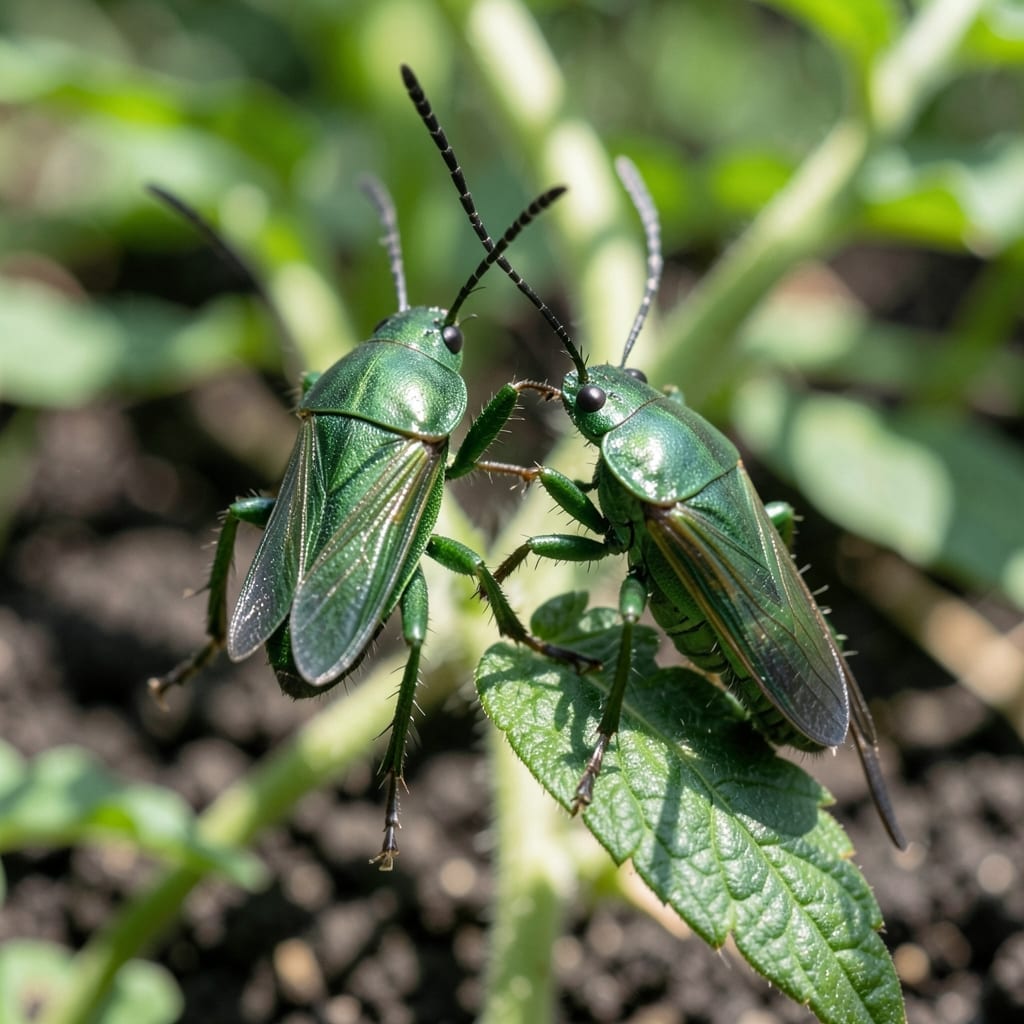
Spotting large green bugs in your garden can be alarming, but identifying them correctly is the first step to protecting your plants. These pests can range from harmless to highly destructive.
Your Squash 🎃 plants are especially vulnerable during the spring season. Knowing which bugs you’re dealing with makes all the difference in keeping your garden thriving.
I’ve learned that what works for one pest might not work for another. The good news is there are effective ways to handle these invaders without harming your plants.
Discover how to identify, remove, and prevent these garden troublemakers. Let’s get your Squash 🎃 back to growing strong.
When I spot large green bugs in my garden, my first step is always identification. These pests vary widely in behavior and impact, from harmless visitors to plant-destroying menaces. Knowing the differences helps me take the right action.
Some of the most common culprits include green stink bugs, katydids, and green June beetles. Each has unique traits, like the stink bug’s shield shape or the katydid’s long antennae. Recognizing these early saves my plants from damage. 🌿
| Bug Type | Appearance | Target Plants |
|---|---|---|
| Green Stink Bug | Shield-shaped, bright green | Tomatoes, beans, peppers |
| Katydid | Long antennae, leaf-like wings | Leaves, flowers, shrubs |
| Green June Beetle | Metallic green, fuzzy underside | Grass, garden soil |
| Assassin Bug | Slender, curved beak | Other pests (beneficial) |
The green stink bug is a major nuisance in my garden, piercing plant tissues to suck out juices. It leaves behind discolored spots and stunted growth, especially in tomato plants. Early detection is key.
Katydids, while less destructive, can still chew through leaves and flowers. Their camouflage abilities make them tricky to spot. I often find them hiding in plain sight on my rose bushes and tall grasses.
The green June beetle is another frequent visitor. These beetles love to feed on ripe fruits and can cause significant damage to lawns by laying eggs in the soil. Their grub stage is particularly harmful.
Not all large green bugs are pests, though. The assassin bug is a beneficial predator that feeds on other harmful insects. I welcome these in my garden as they help control aphid populations naturally.
I’ve learned that observation is critical. Checking under leaves and near soil lines helps me spot these bugs early. A hand lens can be useful for identifying smaller details like egg clusters or nymph stages.
Another tip I swear by is photographing the bugs I find. Comparing images to trusted resources helps me confirm identifications. Apps and gardening forums are great for this.
Finally, I always note the time of year I spot these bugs. Many, like the green June beetle, are most active in early summer. This helps me prepare and take preventive measures at the right time. 🌱
When I spot large green bugs in my garden, I act fast to prevent plant damage. The first step is always manual removal—I pick them off by hand or use a soft brush to dislodge them safely.
For a more hands-off approach, I rely on natural predators like birds, ladybugs, or lacewings. These allies keep pest populations in check without chemicals.
Effective Removal Methods:
I also use organic sprays like neem oil or insecticidal soap. These are safe for plants but deadly to pests like green stink bugs and katydids.
Physical barriers work wonders too. I drape floating row covers over vulnerable plants to block pests while allowing sunlight and water through.
Preventing recurrence is key. I rotate crops, remove weeds, and keep my garden clean to discourage pests from returning. A tidy garden is a healthy garden.
Finally, I monitor my plants regularly. Catching large green bugs early means I can act before they multiply and cause serious harm. 🌿