
Beautiful Plants For Your Interior
Beautiful Plants For Your Interior
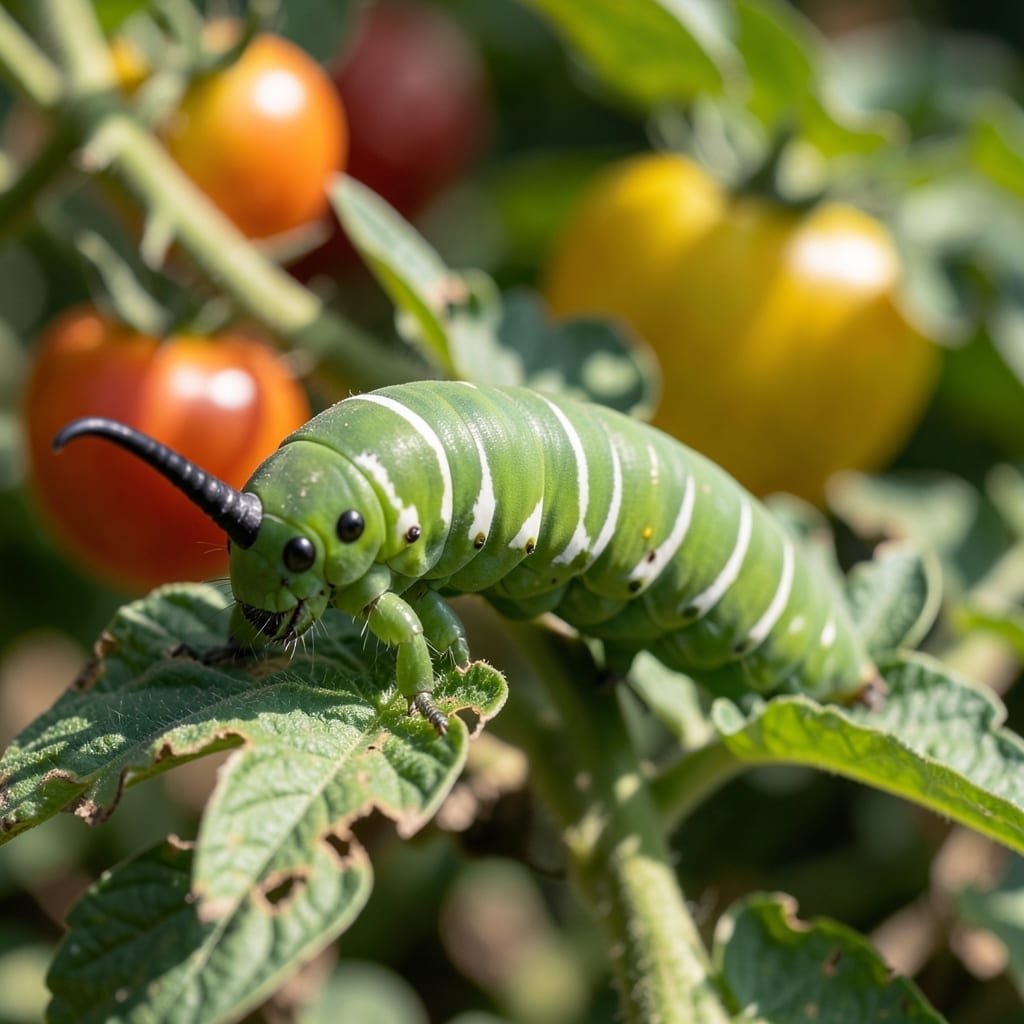
That giant green caterpillar with a horn isn’t just creepy—it’s probably a tomato hornworm. 🌿 I’ve pulled dozens off my plants, and each one was munching through leaves at an alarming rate.
These guys blend in perfectly with foliage, but their damage is unmistakable: stripped stems and missing leaves overnight. They target tomatoes, peppers, and potatoes, turning a healthy garden into a buffet in days.
Hand-picking works, but I learned the hard way they’re masters of camouflage. Early morning or late evening is the best time to spot them when they’re most active.
Organic sprays and natural predators can help, but prevention starts with vigilance. Check plants daily once you see the first signs.
Those striking horns on large caterpillars aren’t just for show—they serve key biological purposes. Here’s why they develop:
Many caterpillars, like the tomato hornworm or hawk moth larvae, evolve horns as a deterrent. These protrusions mimic the appearance of predators (e.g., snake heads) or make them look larger, scaring off birds and insects. Some even release volatiles (chemical signals) to repel threats.
Horns are often tied to a caterpillar’s host plants. For example, hornworms on tomato or tobacco plants develop longer horns to navigate dense foliage or ward off plant-specific predators. This adaptation ensures survival in their ecological niche.
During molting, caterpillars may grow temporary horns due to juvenile hormone surges. These hormones regulate growth stages, and in some species, they trigger the formation of defensive structures like horns or spines.
Dealing with a horned caterpillar in your garden can be unsettling, but with the right approach, you can handle it safely and effectively. Below are practical solutions for common scenarios, along with prevention tips to keep your plants protected.
Fix: Wear gloves and use tweezers or a small stick to gently remove the caterpillar. Drop it into a bucket of soapy water to ensure it doesn’t return. For larger infestations, apply Bacillus thuringiensis (Bt), a natural bacterial spray that targets caterpillars without harming other insects.
Prevention: 💡 Inspect plants regularly, especially the undersides of leaves where eggs are often laid. Encourage natural predators like birds and parasitic wasps by maintaining a diverse garden ecosystem.
Fix: Seal cracks and gaps in windows, doors, and foundations with caulk. If you spot a caterpillar indoors, carefully capture it in a jar and release it far from your home. Avoid crushing it, as some species can release irritating fluids.
Prevention: ✨ Install screens on windows and vents. Trim back vegetation touching your house to reduce access points.
Fix: Prune infested branches if the caterpillar population is small. For larger outbreaks, use horticultural oil or neem oil, which smother eggs and young larvae. Always follow product instructions for safe application.
Prevention: 🎯 Apply sticky bands around tree trunks to trap crawling pests. Remove fallen leaves and debris where eggs may overwinter.
By taking these steps, you can manage and prevent horned caterpillars without resorting to harsh chemicals, keeping your garden—and your home—safe and thriving.
Most are harmless, but some may release irritating fluids. Always wear gloves when handling, especially if you have sensitive skin or allergies.
Tomato and tobacco plants are primary targets. They also attack peppers, potatoes, and eggplants, causing rapid defoliation if left unchecked.
Encourage birds and beneficial wasps in your garden. Regularly check leaf undersides and remove eggs before they hatch.
Yes, most horned caterpillars become moths. The tomato hornworm, for example, transforms into the five-spotted hawk moth.