
Beautiful Plants For Your Interior
Beautiful Plants For Your Interior
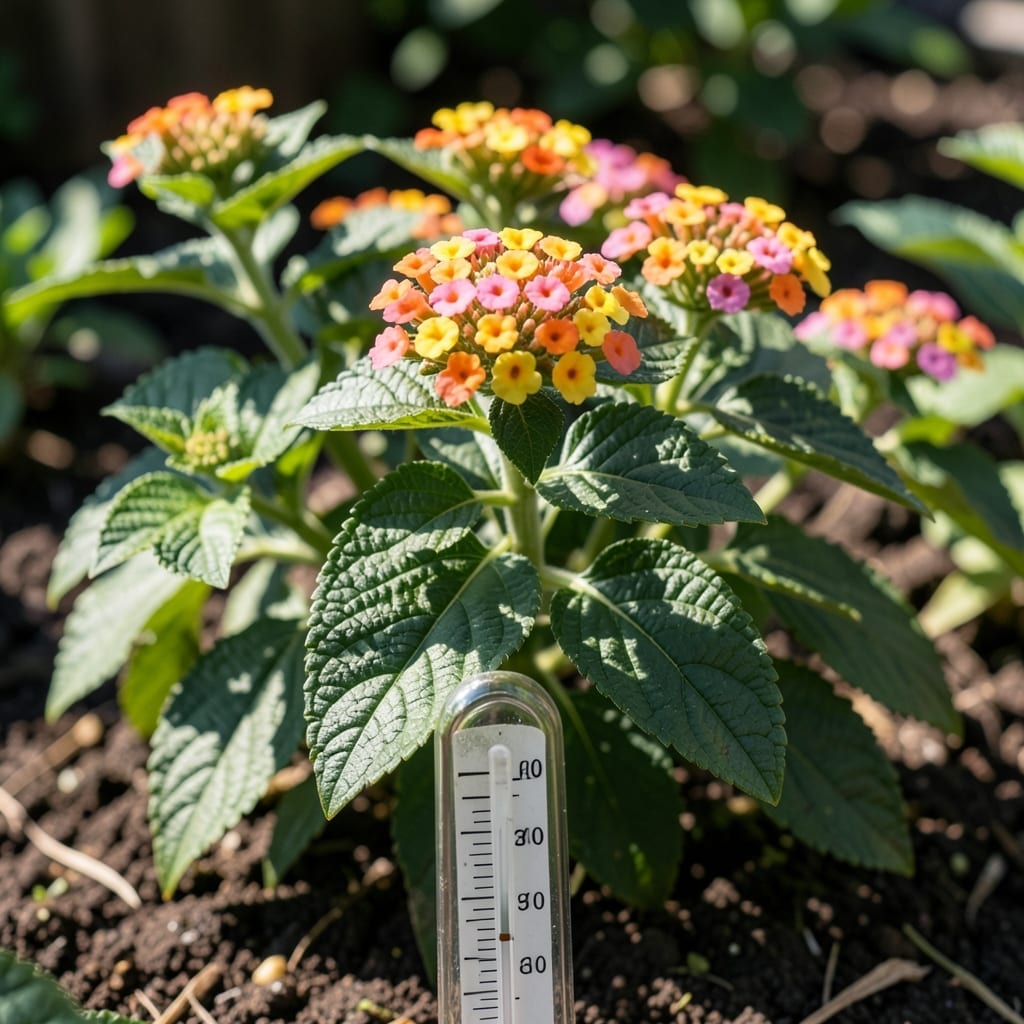
Lantana’s vibrant blooms can light up any garden, but its ability to thrive in extreme temperatures often surprises even seasoned gardeners. I’ve seen this resilient 🌺 plant flourish where others wilt.
Understanding its heat and cold tolerance is the key to keeping it flourishing year-round. Whether you’re in sweltering summers or facing unexpected chills, Lantana handles it better than most.
What makes this plant so adaptable? It’s not just about survival—it’s about thriving. I’ll show you how to leverage its natural resilience for a garden that stays vibrant through temperature swings.
Discover how to manage temperature stress and keep your Lantana looking its best, no matter what Mother Nature throws at it.
I’ve found that lantana is a true heat warrior in the garden, thriving where many plants wilt. This drought-tolerant beauty can handle temperatures up to 100°F without missing a beat.
Its thick leaves and woody stems help it conserve water, making it perfect for hot climates like the Southwest. I’ve seen it bloom nonstop through summer heatwaves with minimal care.
| Requirement | Specification |
|---|---|
| Ideal Temperature Range | 70-100°F |
| Maximum Heat Tolerance | 110°F with shade |
| Water Needs in Heat | Deep water weekly |
| Mulch Recommendation | 2-3 inches organic |
In my experience, lantana performs best in full sun with at least 6 hours of direct sunlight daily. The more sun it gets, the more vibrant blooms it produces.
During extreme heat, I recommend morning watering to prevent evaporation. A thick layer of mulch helps retain moisture and keeps roots cool. This simple step makes a huge difference.
For areas with intense afternoon sun, providing partial shade during peak hours can prevent leaf scorch. I’ve seen plants recover quickly once temperatures drop.
I’ve noticed that established lantana needs less water than new plantings. Once roots are deep, they can access moisture from lower soil layers, making them incredibly drought-resistant.
Container-grown lantana requires more frequent watering in heat, as pots dry out faster. I always check soil moisture daily during heatwaves to keep my potted plants thriving.
One of the best things about lantana is its low-maintenance nature. Even in extreme heat, it rarely needs fertilizing. A light feeding in early summer is usually enough.
If you’re in a hot climate, consider planting lantana in groups. This creates a microclimate that helps plants support each other through extreme temperatures.
Remember, while lantana loves heat, proper drainage is crucial. Soggy roots can spell trouble, even for this tough plant. I always ensure my lantana beds have excellent drainage to prevent issues.
While lantana thrives in heat, its cold tolerance is more limited. Most varieties can handle temperatures down to 28°F briefly, but prolonged exposure below this can cause frost damage or kill the plant. ☀️
In USDA zones 7-11, lantana often survives winter as a perennial, but in cooler zones, it’s typically grown as an annual. Watch for blackened leaves or mushy stems, which signal cold stress. 🌡️
⚠️ Frost Alert!
Lantana cannot survive hard freezes. In zones below 7, dig up plants before frost and overwinter indoors in pots.
To protect lantana in marginal climates, apply a thick mulch layer around the base before winter. This insulates roots and helps the plant recover in spring. I’ve seen mulched lantana bounce back after light frosts. 🌿
For container-grown lantana, move pots to a sheltered location like a garage or porch when temperatures drop below 32°F. Reduce watering, as dormant plants need less moisture. ✂️
If you’re in a cold climate, consider growing lantana as an annual or choosing cold-hardy varieties like ‘Miss Huff’, which can tolerate slightly lower temperatures than others.
With the right care, even gardeners in cooler zones can enjoy lantana’s vibrant blooms year after year. The key is understanding its limits and planning ahead for winter protection. 🌱