
Beautiful Plants For Your Interior
Beautiful Plants For Your Interior
Ladybugs are more than just charming garden visitors—they’re vital predators of pests that threaten your plants. This field guide explores ten kinds of ladybugs, highlighting their unique traits and how they benefit your garden ecosystem.
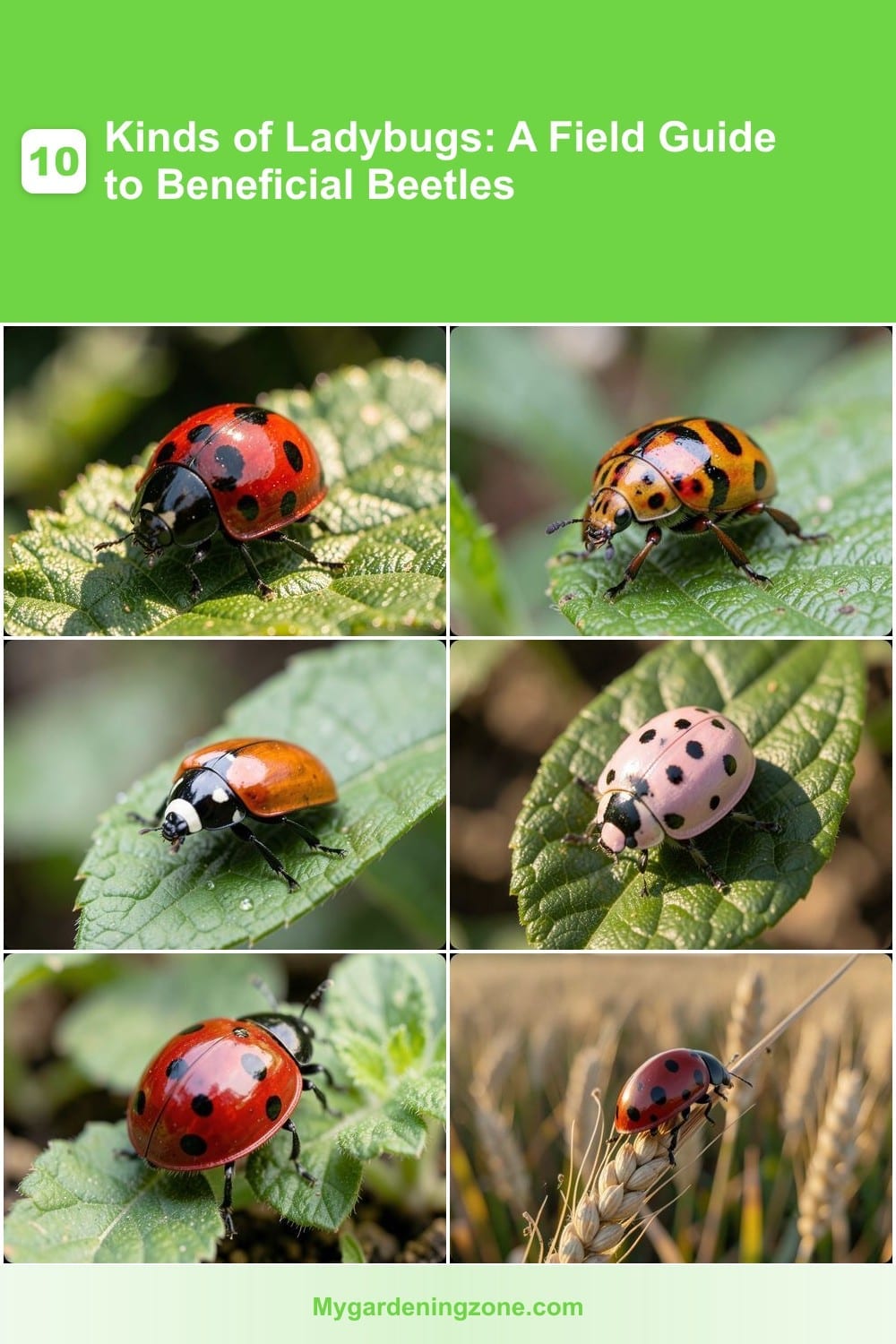
Spot a bright red beetle with three black spots on each wing and one in the center? You’ve found the seven-spotted ladybug, a European import that’s become a garden hero across North America.
This species devours aphids by the hundreds in both larval and adult stages, making it one of the most effective natural pest controllers. It thrives in gardens, farms, and even urban green spaces, adapting well to various climates.
Perfect for gardeners seeking chemical-free pest management, this classic ladybug is a living testament to how introduced species can become invaluable allies. 🌿
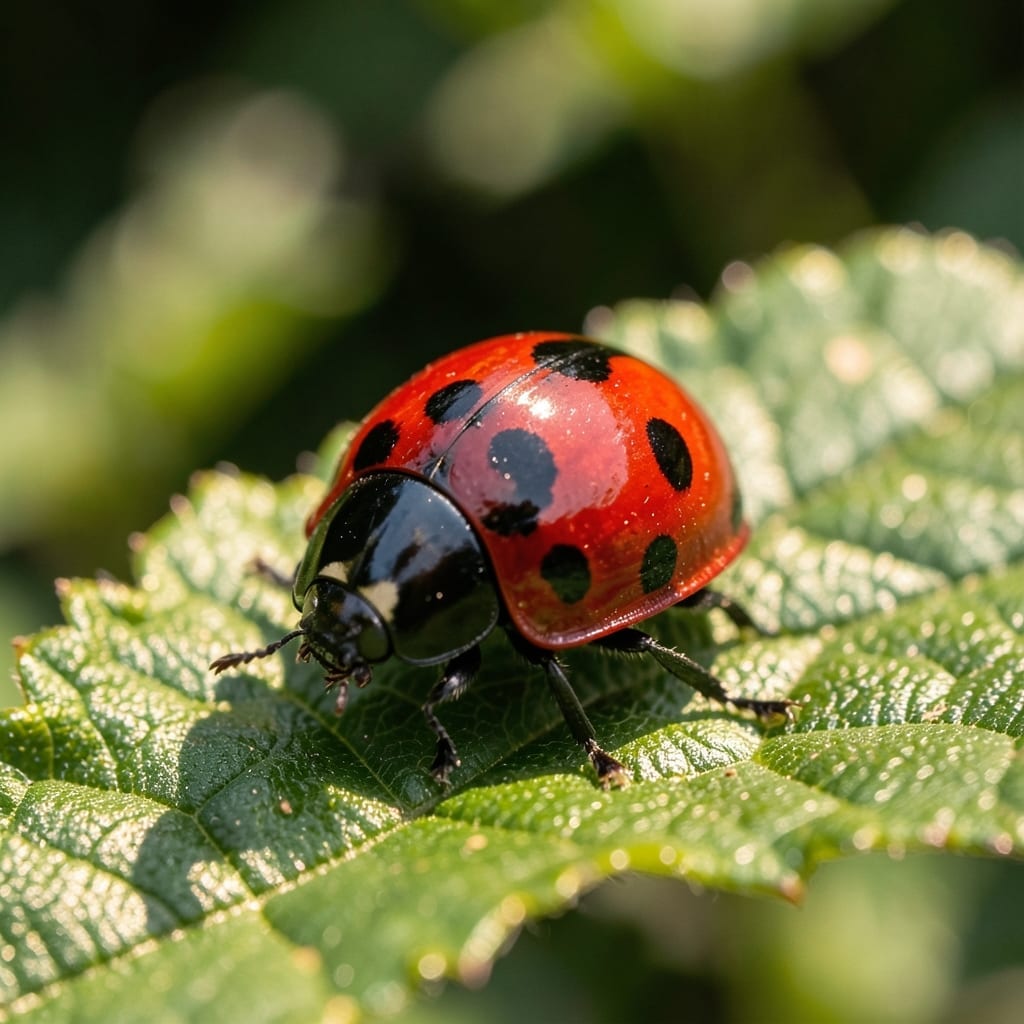
Don’t let the multicolored patterns fool you—this ladybug packs a punch against garden pests. The Asian lady beetle devours aphids, mites, and other soft-bodied insects with impressive efficiency, making it a powerful ally for organic pest control.
Unlike many native species, this adaptable beetle comes in shades of orange, red, or yellow with varying spot counts. However, its invasive nature means it can outcompete local ladybugs and even seek shelter indoors during winter, becoming a nuisance in large numbers.
Gardeners in areas with mild winters will see the most benefit from its pest-fighting abilities, but be prepared for seasonal indoor visits. 🌿
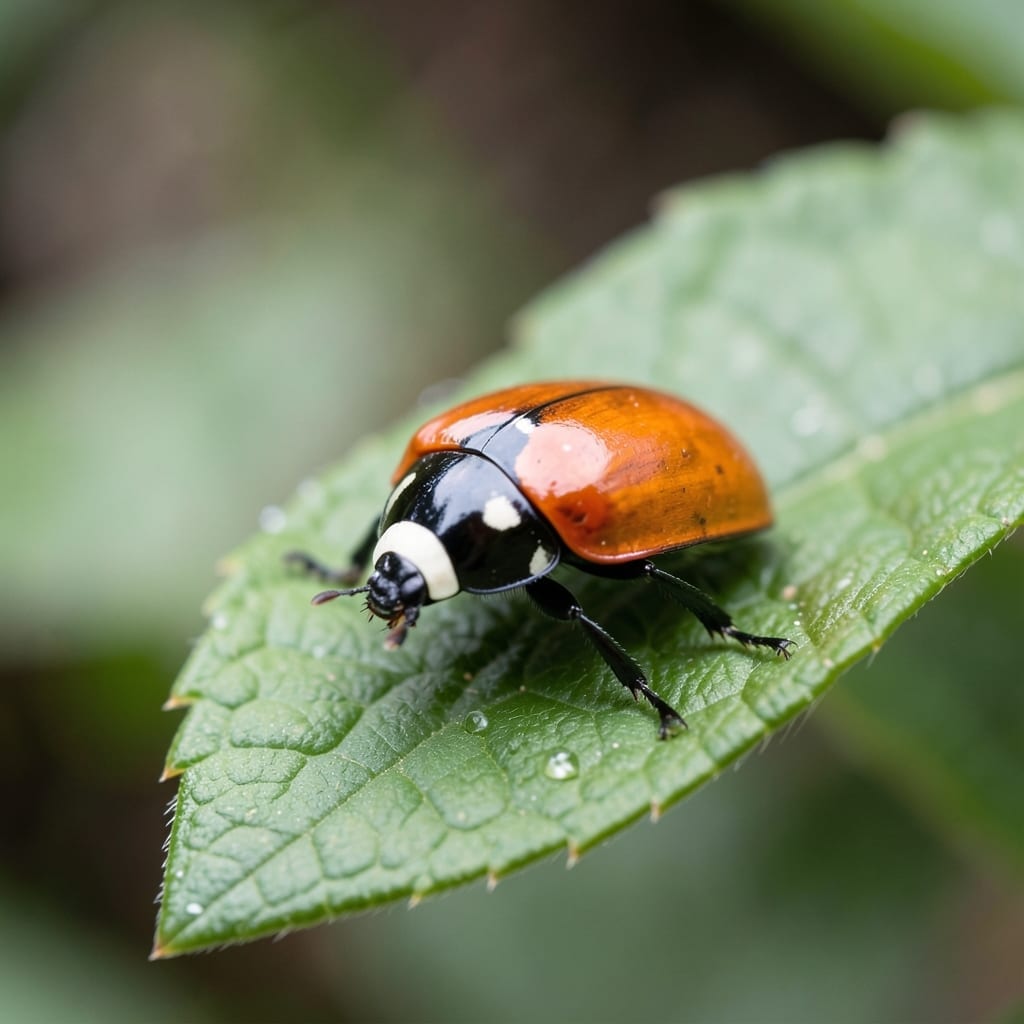
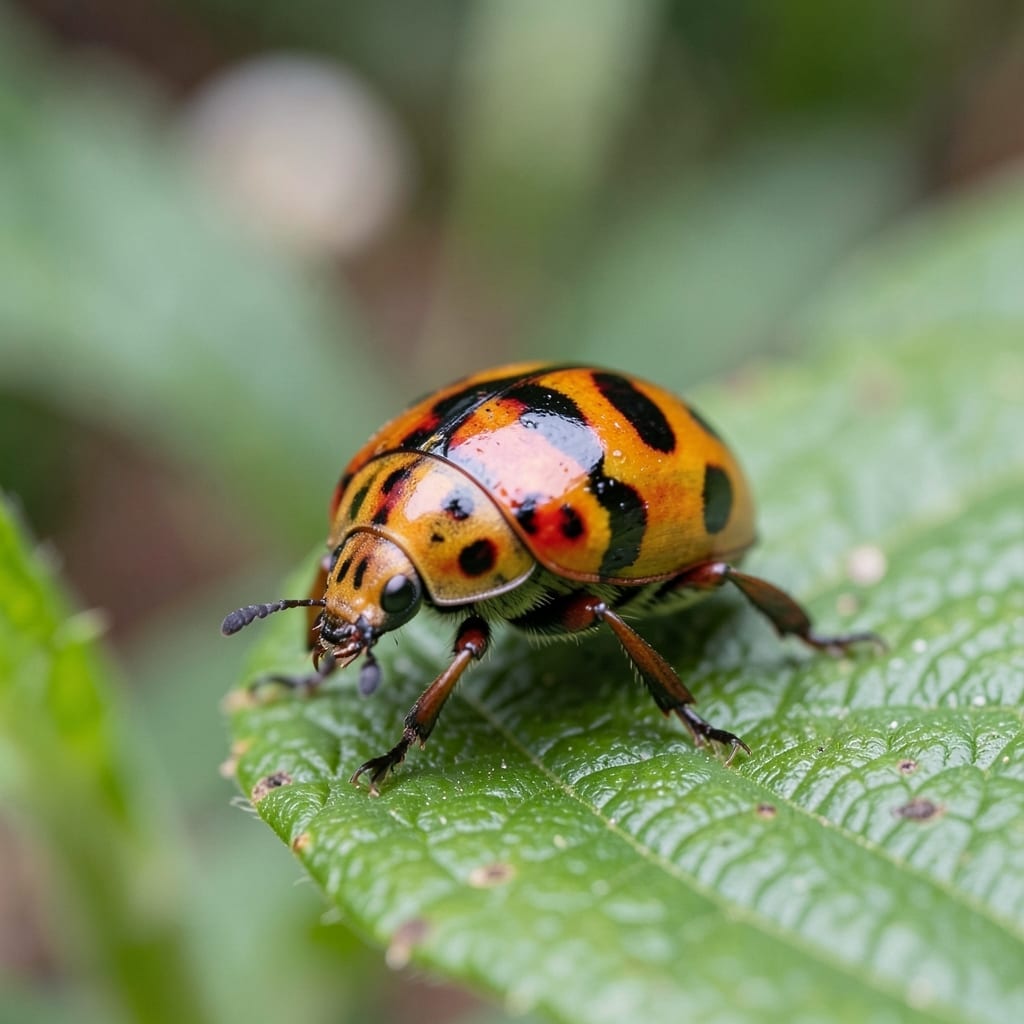
Spot the white triangular markings near the head, and you’ve found a true garden hero. The convergent lady beetle is a native North American species that’s a powerhouse against aphids, mites, and other soft-bodied pests.
Unlike invasive varieties, this beetle stays outdoors year-round, laying eggs near aphid colonies to ensure its larvae have food. A single adult can consume hundreds of aphids daily, making it a must-have for organic pest control.
Perfect for gardeners who want natural solutions without the hassle of chemicals. 🌿
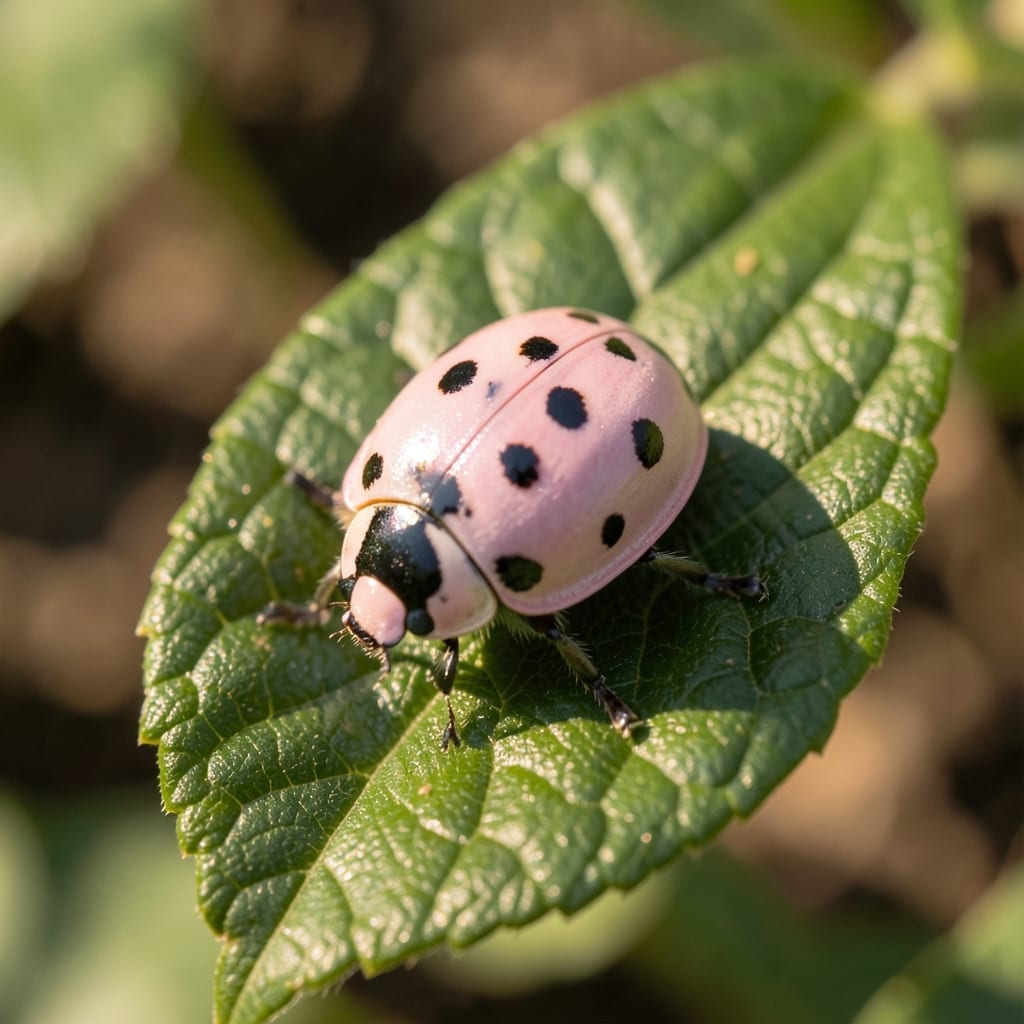
Add a splash of color to your pest control with the pink spotted lady beetle. Its soft pink shell with delicate black spots makes it one of the most visually unique beneficial insects in warm climates.
Unlike more common varieties, this ladybug specializes in scale insects, making it perfect for gardens struggling with these stubborn pests. It thrives in temperatures above 75°F and prefers sunny, sheltered spots where scale tends to cluster.
If you’re battling scale on fruit trees or ornamentals, attracting these beauties can reduce your need for chemical treatments. 🌿
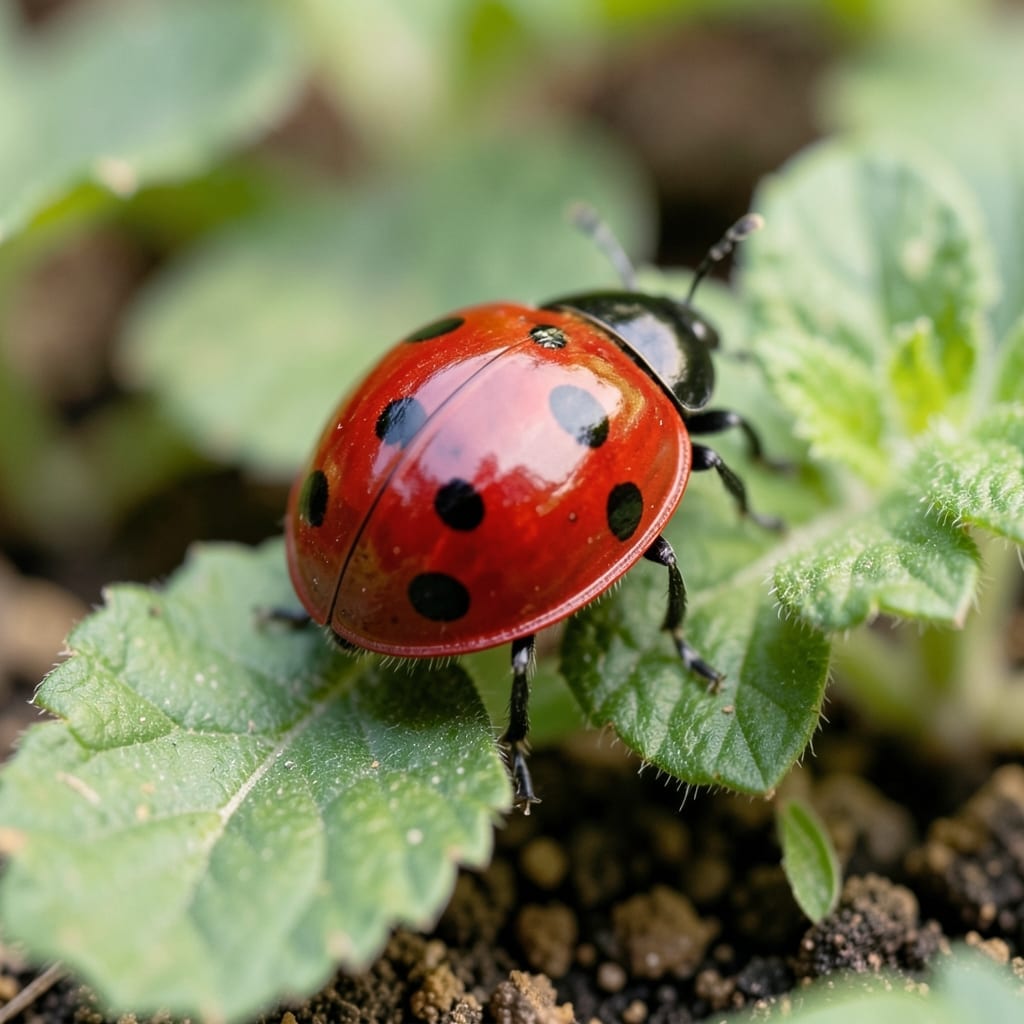
With just two bold black spots on its bright red wings, this ladybug stands out as one of the earliest biological control agents brought to North America. Its simple yet distinctive pattern makes it easy to identify in your garden.
Introduced to combat pest outbreaks, the two-spotted ladybug has a strong appetite for aphids and other soft-bodied insects, helping maintain balance without chemicals. It thrives in both urban gardens and agricultural fields, adapting well to various environments.
Ideal for gardeners who want a reliable, low-maintenance ally, this species proves that even small insects can make a big difference. 🌱
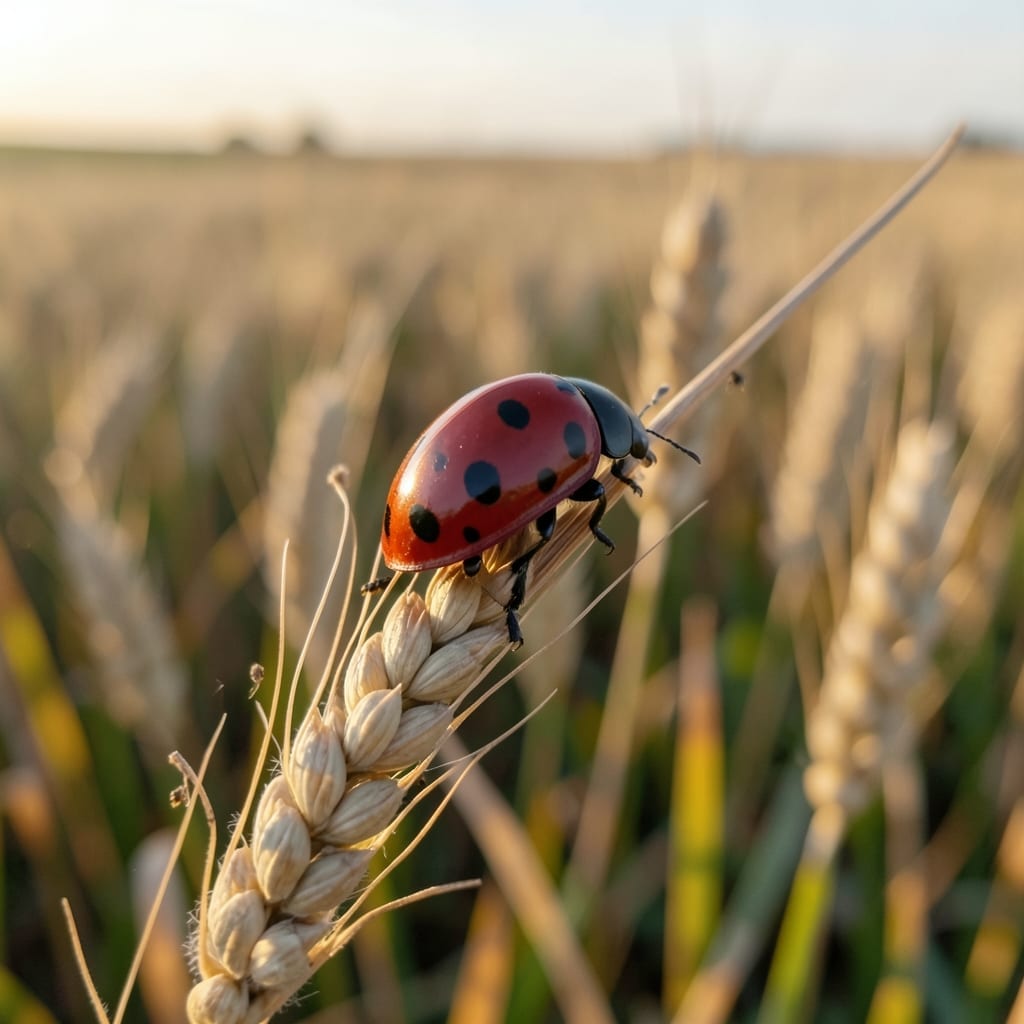
Meet the workhorse of agricultural fields: the thirteen-spotted ladybug stands out with its elongated body and—you guessed it—thirteen distinct black spots scattered across its red shell.
This larger species thrives in open spaces, patrolling crops like wheat and corn. It consumes vast numbers of pest insects, including aphids and mites, making it a farmer’s best friend. Its size and spot pattern make it easy to identify among other ladybug varieties.
If you’re tending to large garden plots or small farms, this beetle is a natural pest control powerhouse worth protecting. 🌿
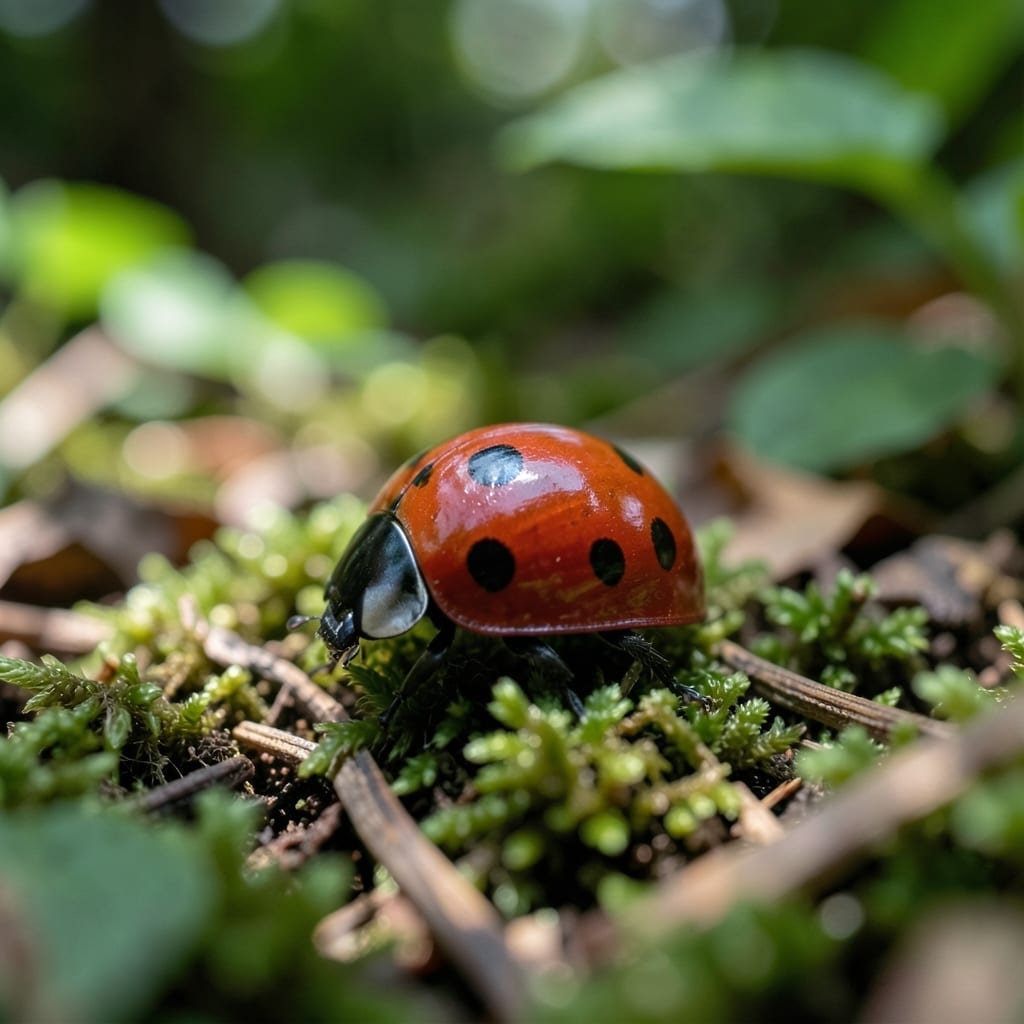
Meet the fifteen-spotted ladybug, a petite but mighty native species that thrives in wooded garden edges. Unlike its more famous cousins, this beetle prefers the quieter corners of your yard.
Its deep red shell dotted with fifteen tiny black spots makes it easy to identify. This ladybug specializes in controlling mites and small insects, making it a silent guardian for garden borders and natural areas.
Ideal for gardeners with wooded properties or those looking to support native biodiversity. 🌿
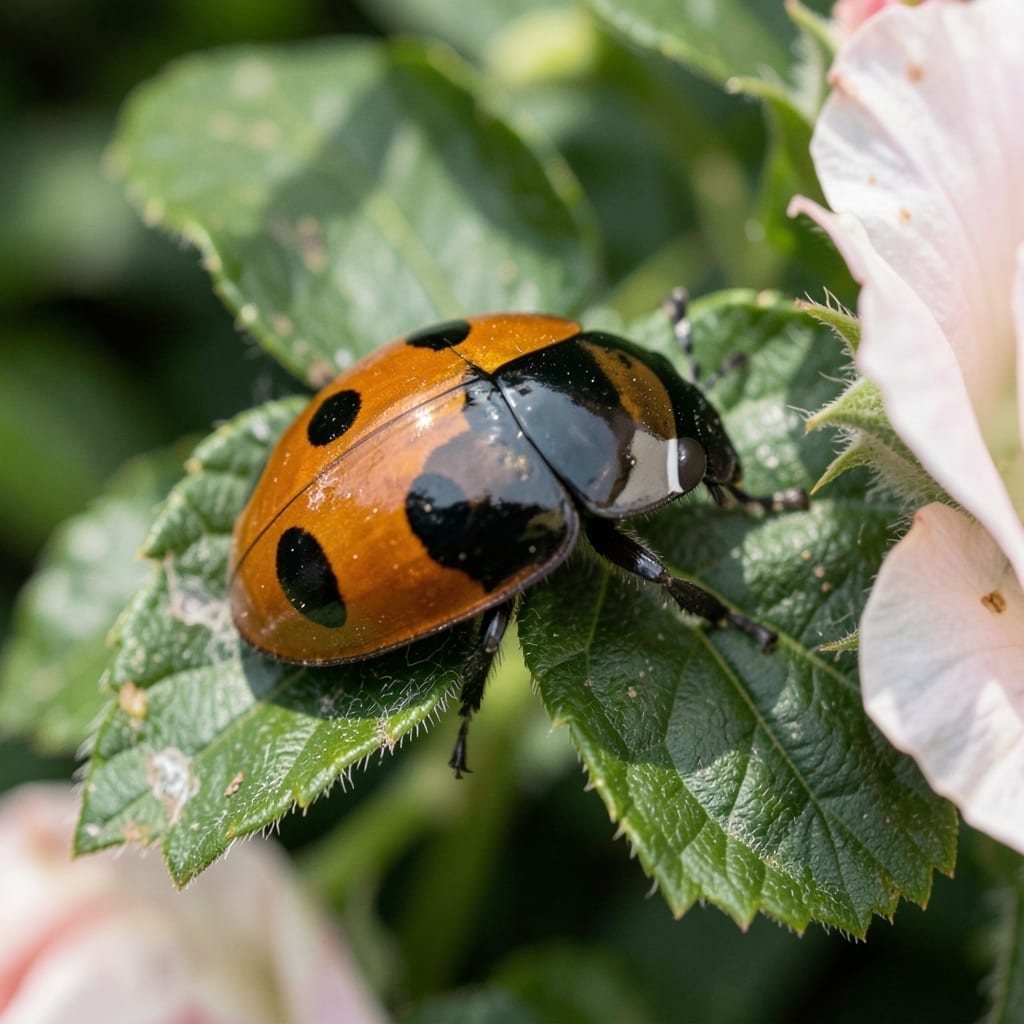
Those eye-like black circles on its orange wings aren’t just for show—they help deter predators while this ladybug gets to work. The eye-spotted ladybug is a master at hunting mealybugs, a common pest that plagues ornamental plants like roses and hibiscus.
Unlike generalist ladybugs, this species specializes in soft-bodied pests, making it particularly valuable for gardeners with stubborn infestations. Its larvae are just as voracious, consuming pests at an impressive rate to keep your plants healthy.
If you’re growing ornamentals and struggling with persistent pests, this unique ladybug is a natural solution worth attracting. 🌿
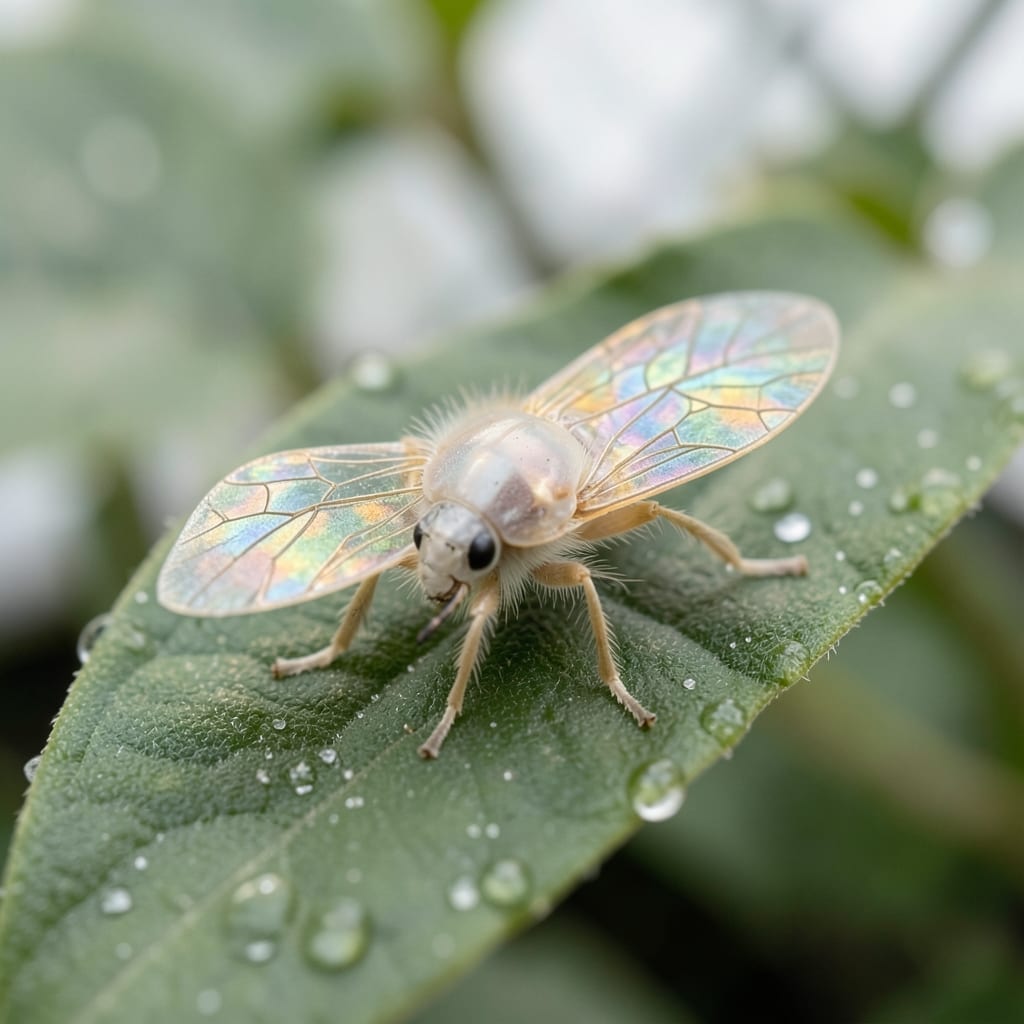
Forget the usual spotted shells—imagine a ladybug with see-through wings that reveal its delicate internal structure. The transparent winged ladybug is one of nature’s most unusual marvels, typically found in tropical climates but occasionally appearing in controlled greenhouse environments.
Its translucent wings aren’t just stunning; they also help it blend into foliage and flowers, making it an effective hunter of small pests like mites and aphids. This rare variety thrives in warm, humid conditions where tropical plants grow.
If you’re lucky enough to spot one in your greenhouse, consider it a special guest that adds both beauty and pest control to your space. 🌿
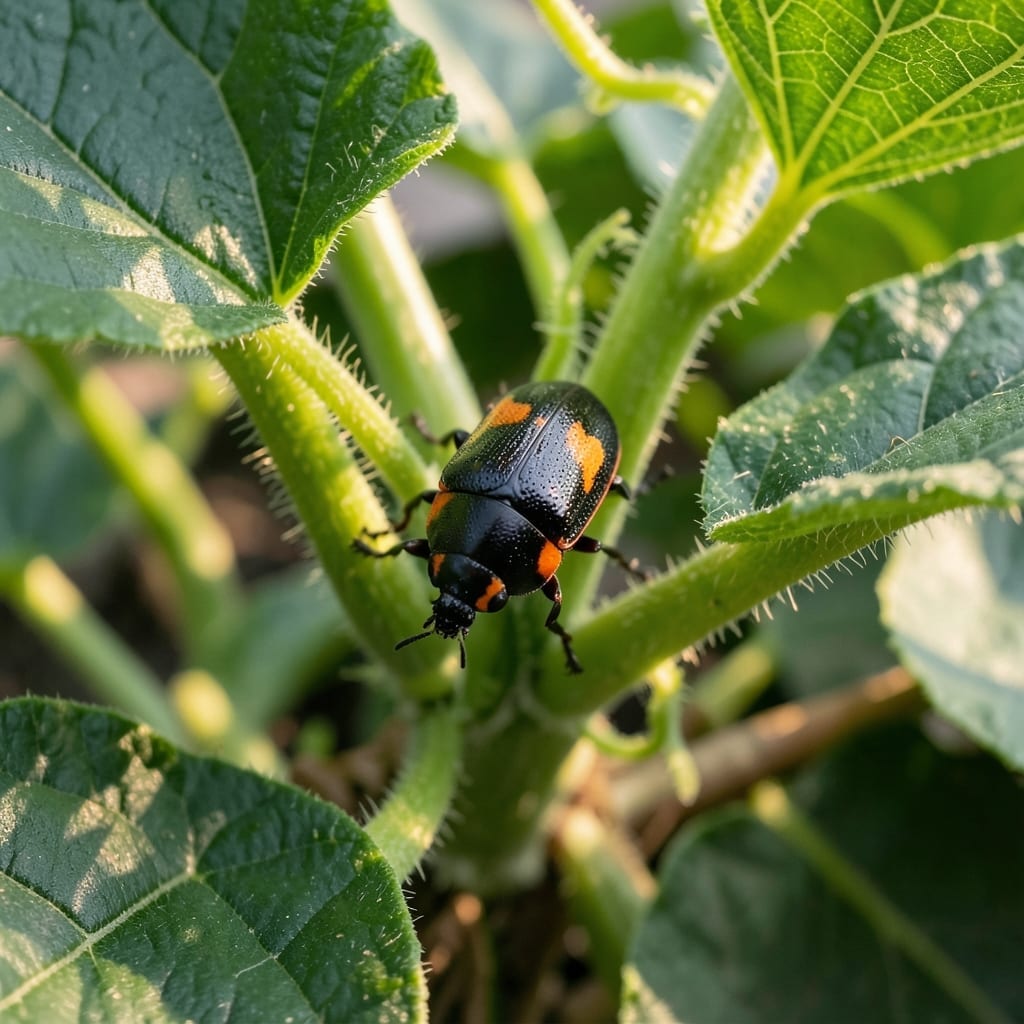
Tired of squash bugs decimating your cucumber and squash plants? The squash lady beetle is your specialized defender, with its striking black and orange coloration making it easy to spot among your vines.
Unlike generalist ladybugs, this species focuses exclusively on cucurbit pests, including squash bugs and their eggs. Both adults and larvae feed voraciously, often consuming dozens of pests daily. They’re particularly active in mid-to-late summer, when squash plants are most vulnerable.
If you grow cucumbers, zucchini, or pumpkins, attracting these beetles can dramatically reduce your need for chemical interventions. 🌿