
Beautiful Plants For Your Interior
Beautiful Plants For Your Interior
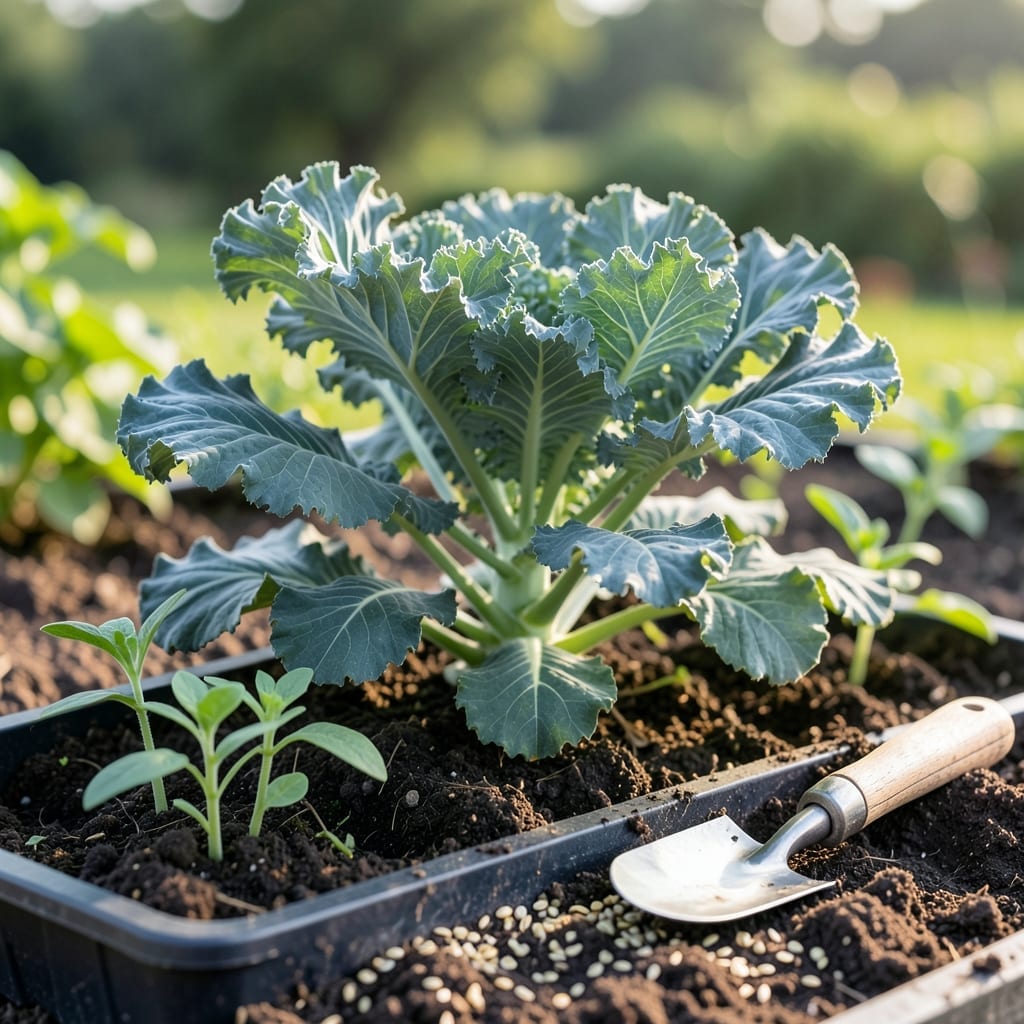
Struggling with slow or patchy kale 🥬 seed sprouting? I’ve been there, staring at empty trays wondering why nothing’s happening.
What changed everything for me was learning the expert techniques that create ideal conditions. Temperature, moisture, and soil depth make all the difference.
I’ll share the proven methods that cut germination time in half. These aren’t just theories – they’re the same approaches professional growers use.
Discover how to transform your success rate with simple but powerful adjustments to your current process.
I’ve found that kale seeds sprout best when given the right start. The ideal temperature range is 60-70°F, which encourages consistent and fast germination. Anything colder slows them down significantly.
For soil moisture, keep it evenly damp but never soggy. Too much water can drown the seeds, while too little halts growth. A fine mist spray works wonders for maintaining this balance.
| Requirement | Specification |
|---|---|
| Temperature | 60-70°F |
| Soil Depth | 1/4-1/2 inch |
| Light Needs | Bright indirect light |
| Moisture Level | Consistently damp |
| Germination Time | 5-10 days |
The planting depth is critical—1/4 to 1/2 inch deep is perfect. Any deeper and the seedlings struggle to break through. I always use a ruler to check my depth for accuracy.
Light requirements are often misunderstood. Kale seeds don’t need direct sun to germinate, but bright indirect light helps once they sprout. A south-facing window is ideal for this.
I prepare my soil by mixing in compost for nutrients and perlite for drainage. This combo prevents compaction and ensures roots can breathe. It’s a game-changer for germination success.
A common mistake is using old seeds. Kale seeds stay viable for 3-5 years, but fresh seeds germinate faster. Always check the pack date before planting.
Temperature fluctuations can stall germination. If nights are chilly, I use a heat mat to maintain steady warmth. This simple tool can cut sprouting time nearly in half.
For containers, ensure they have drainage holes. Kale hates wet feet, and soggy soil leads to rot. I learned this the hard way after losing a whole tray of seedlings.
Lastly, patience is key. Even with perfect conditions, kale can take 5-10 days to sprout. Resist the urge to dig up seeds to check on them.
Once sprouted, move seedlings to brighter light to prevent leggy growth. A grow light works great if natural light is limited in your space.
Want faster kale sprouts? I’ve tested these 5 acceleration methods with consistent success. Each targets a different germination bottleneck, from moisture to temperature control.
The right approach depends on your growing conditions. Indoor starters benefit from heat mats, while outdoor sowers should focus on soil prep and moisture retention.
I’ve found pre-soaking works best for older seeds, while heat mats are game-changers for early spring starts. Combining methods often yields the best results.
Remember, consistency is key. Kale seeds need steady moisture and warmth to sprout reliably. Avoid letting the soil dry out or fluctuate in temperature.
For outdoor sowing, I always cover beds with clear plastic for the first week. This creates a warm, humid microclimate that mimics indoor conditions.
These methods can cut your germination time from 7-14 days to just 4-7 days under ideal conditions 🌱