
Beautiful Plants For Your Interior
Beautiful Plants For Your Interior
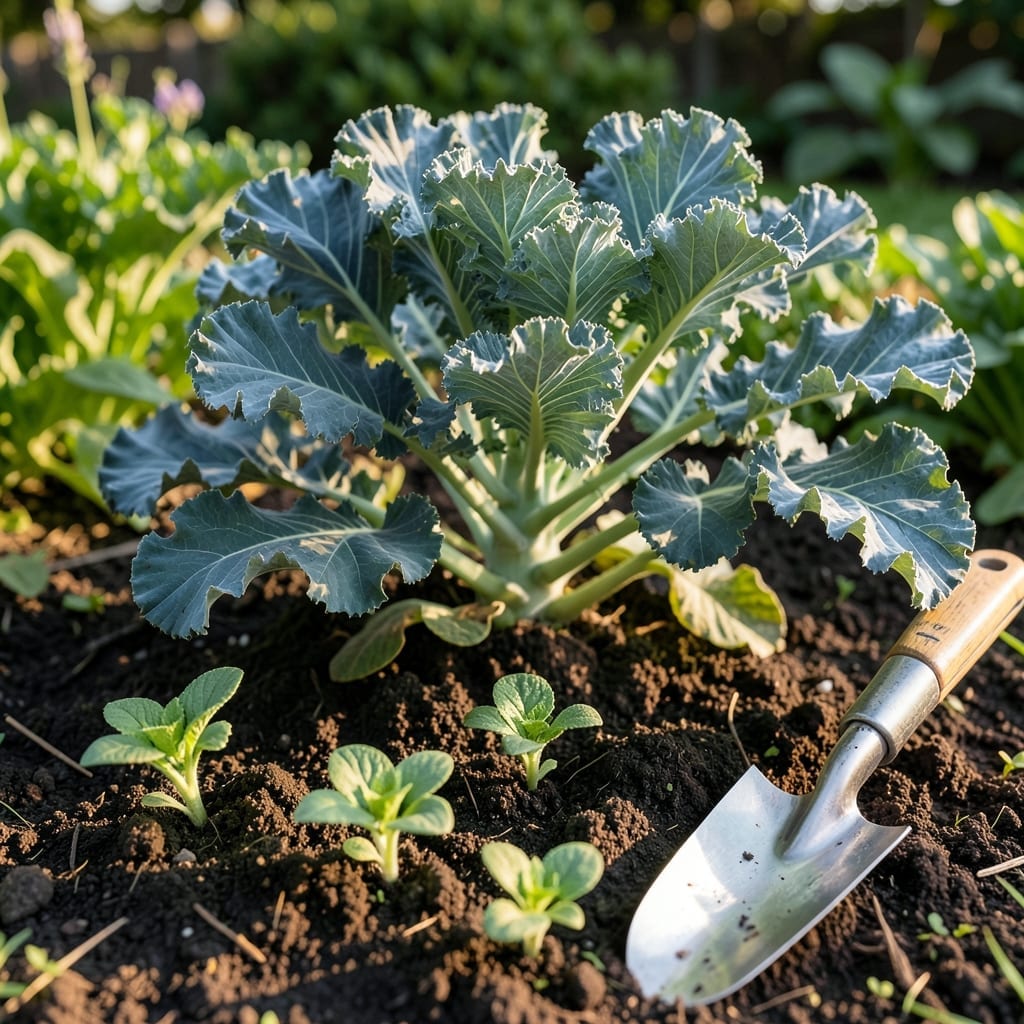
Timing your kale planting perfectly can mean the difference between a struggling crop and a thriving harvest. 🥬 Kale loves cool weather, making it one of the most forgiving greens for gardeners.
I’ve learned that planting at the right moment gives you tender, sweet leaves rather than tough, bitter ones. Whether you’re in zone 6 or adjusting for your local climate, timing is everything.
You’ll discover how to align your planting with the seasons for better results. No more guessing when to get those seeds in the ground.
Let me walk you through the simple but most important steps to ensure your kale thrives from the very first sprout.
Getting your kale planting time right is crucial for a bountiful harvest. This cool-weather crop thrives when temperatures are between 60-65°F, but it can tolerate light frosts. I’ve found that timing varies significantly by USDA Hardiness Zone, so knowing your zone is the first step.
For most gardeners, spring and fall are the prime planting windows. In warmer zones, you can even grow kale through mild winters. Let’s break down the specifics so you can plan with confidence.
| USDA Zone | Spring Planting | Fall Planting |
|---|---|---|
| 1-3 | April-May | July-August |
| 4-6 | March-April | August-September |
| 7-9 | February-March | September-October |
| 10+ | Winter | N/A |
In zones 1-3, the growing season is short, so start seeds indoors 6-8 weeks before the last frost. Transplant outdoors once soil is workable, typically in April or May. Fall planting is possible but requires starting seeds in July for a late harvest.
For zones 4-6, I recommend sowing seeds directly in early spring or late summer. Kale planted in March or April will mature before summer heat, while August or September plantings thrive in cool fall weather. This zone offers great flexibility.
Gardeners in zones 7-9 can enjoy kale almost year-round. Plant in February or March for a spring harvest and again in September or October for winter greens. Kale often sweetens after a light frost, making it perfect for cooler months.☀️
If you’re in zone 10 or warmer, treat kale as a winter crop. The cooler temperatures prevent bolting, which can be an issue in hotter climates. Plant seeds in fall for a harvest that lasts through winter and into early spring.
Remember, soil temperature matters as much as air temperature. Kale seeds germinate best in soil between 60-70°F. Use a soil thermometer to check conditions before planting. If the soil is too cold, seeds may rot or germinate slowly.
For succession planting, sow new seeds every 2-3 weeks during the growing season. This ensures a continuous supply of fresh leaves. I’ve had great success with this method, especially in zones 5-7, where the seasons are distinct.🌱
Finally, always consider your local microclimate. Urban areas, coastal regions, and mountain valleys can have unique conditions. Adjust planting times based on your specific environment for the best results.
One of my favorite ways to enjoy fresh kale all season long is through succession planting. This simple technique involves planting new seeds every 2-3 weeks to ensure a continuous harvest rather than one big flush of leaves.
Kale grows quickly in cool weather, often reaching harvest size in just 30-60 days. By staggering plantings, you can avoid the feast-or-famine cycle that many gardeners experience with leafy greens.
I’ve found that early spring and late summer are the best times to start succession planting. In zones 5-7, this means beginning in March and again in August. Each new planting will mature as the previous one starts to slow down.
For warmer zones, you can plant kale almost year-round using this method. Just be sure to protect young plants from extreme heat or cold with row covers or shade cloth as needed.
Variety selection is key for succession planting. I recommend starting with cold-hardy types like Winterbor or Lacinato for early spring and fall, then switching to heat-tolerant varieties like Red Russian for summer plantings.