
Beautiful Plants For Your Interior
Beautiful Plants For Your Interior
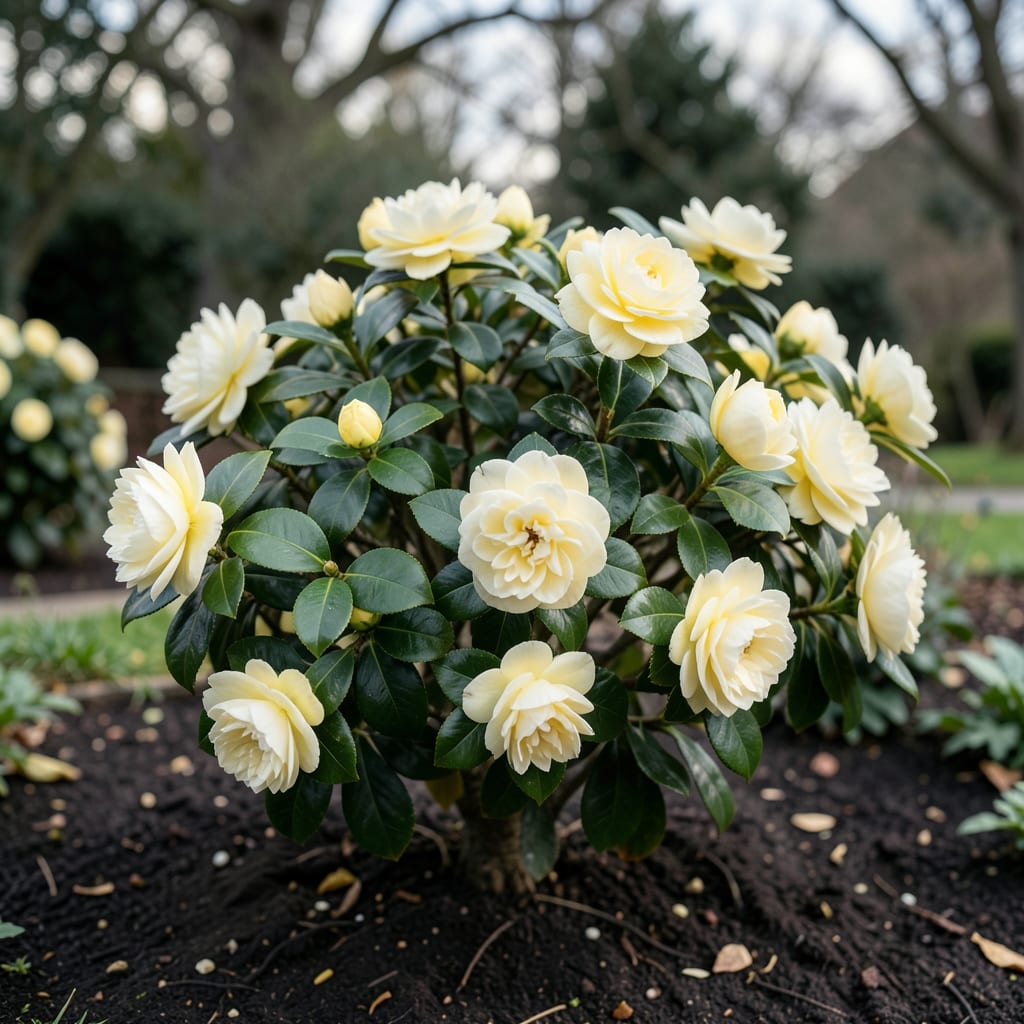
Jury’s Yellow camellia stopped me in my tracks the first time I saw its buttery blooms glowing against winter’s bare branches. This variety delivers color when everything else sleeps.
It thrives in partial shade with well-draining, acidic soil—exactly what my clay-heavy garden wasn’t. A raised bed with pine bark fines solved that. The key is consistent moisture without soggy roots.
You’ll get 3-4 months of flowers starting in late winter, with glossy evergreen leaves year-round. Prune right after blooming finishes to shape it before next year’s buds form.
Cold-hardy to zone 7, it handles my unpredictable springs better than most shrubs. Just protect it from harsh afternoon sun and strong winds.
The yellowing of camellia leaves, often called jury’s yellow, is a common issue with several underlying causes. Understanding these factors can help you restore your plant’s vibrant green foliage.
A lack of essential nutrients, particularly iron or magnesium, can trigger chlorosis (yellowing). Camellias thrive in acidic soil (pH 5.5–6.5). When the soil pH rises above 7.0, iron becomes less available, leading to yellow leaves with green veins. Test your soil and amend with sulfur or chelated iron if needed.
Extreme temperatures, drought, or waterlogged roots can stress camellias, causing yellowing. These plants prefer consistent moisture but dislike soggy soil. Ensure proper drainage and mulch to retain moisture. Protect them from harsh afternoon sun or freezing winds, which can scorch or weaken leaves.
Infestations of spider mites, scale insects, or aphids sap nutrients from leaves, leading to discoloration. Fungal infections like root rot (from Phytophthora) or leaf gall can also cause yellowing. Inspect leaves and stems regularly, and treat with neem oil or fungicides as needed.
If your camellia’s yellowing leaves or wilting blooms have you worried, don’t panic—most issues are fixable with a few targeted adjustments. Below are practical solutions to common problems, along with prevention tips to keep your Jury’s Yellow Camellia thriving. 🌿
Fix: Test your soil’s pH with a kit. Camellias need acidic soil (pH 5.5–6.5). If the pH is too high, amend with sulfur or chelated iron to lower it. For a quick boost, apply a liquid iron supplement directly to the leaves.
Prevention: Use a camellia-specific fertilizer (high in iron) every spring and mulch with pine bark to maintain acidity. Avoid tap water if it’s alkaline—opt for rainwater or distilled water. 💡
Fix: Check moisture levels. Overwatering or drought stress can cause bud drop. Stick your finger 2 inches into the soil—if it’s bone dry, water deeply. If soggy, improve drainage by mixing in perlite or coarse sand.
Prevention: Water consistently (1–2 inches per week) and ensure pots have drainage holes. Shield plants from harsh winds or late frosts, which can shock buds. 🌧️
Fix: Wipe leaves with a neem oil solution (1 tbsp oil + 1 tsp dish soap per gallon of water) or spray with insecticidal soap. For severe cases, introduce beneficial insects like ladybugs.
Prevention: Inspect leaves weekly (especially undersides) and keep the area free of debris. Prune crowded branches to improve airflow. 🛡️
Fix: Move potted camellias to bright, indirect light (e.g., under a tree canopy). For sunburned leaves, trim damaged foliage to redirect energy to healthy growth.
Prevention: In hot climates, provide afternoon shade. If growing indoors, place near an east-facing window or use a grow light for 6–8 hours daily. 🌤️
Water deeply 1-2 times per week, allowing the top 2 inches of soil to dry between waterings. Adjust for rain or extreme heat.
Use well-draining, acidic soil with a pH of 5.5-6.5. Amend with pine bark fines or compost to improve structure and acidity.
This is classic iron deficiency. Lower soil pH with sulfur or apply chelated iron directly to leaves for a quick fix.
Prune immediately after flowering ends, typically in early spring. This gives new growth time to set buds for next year.