
Beautiful Plants For Your Interior
Beautiful Plants For Your Interior
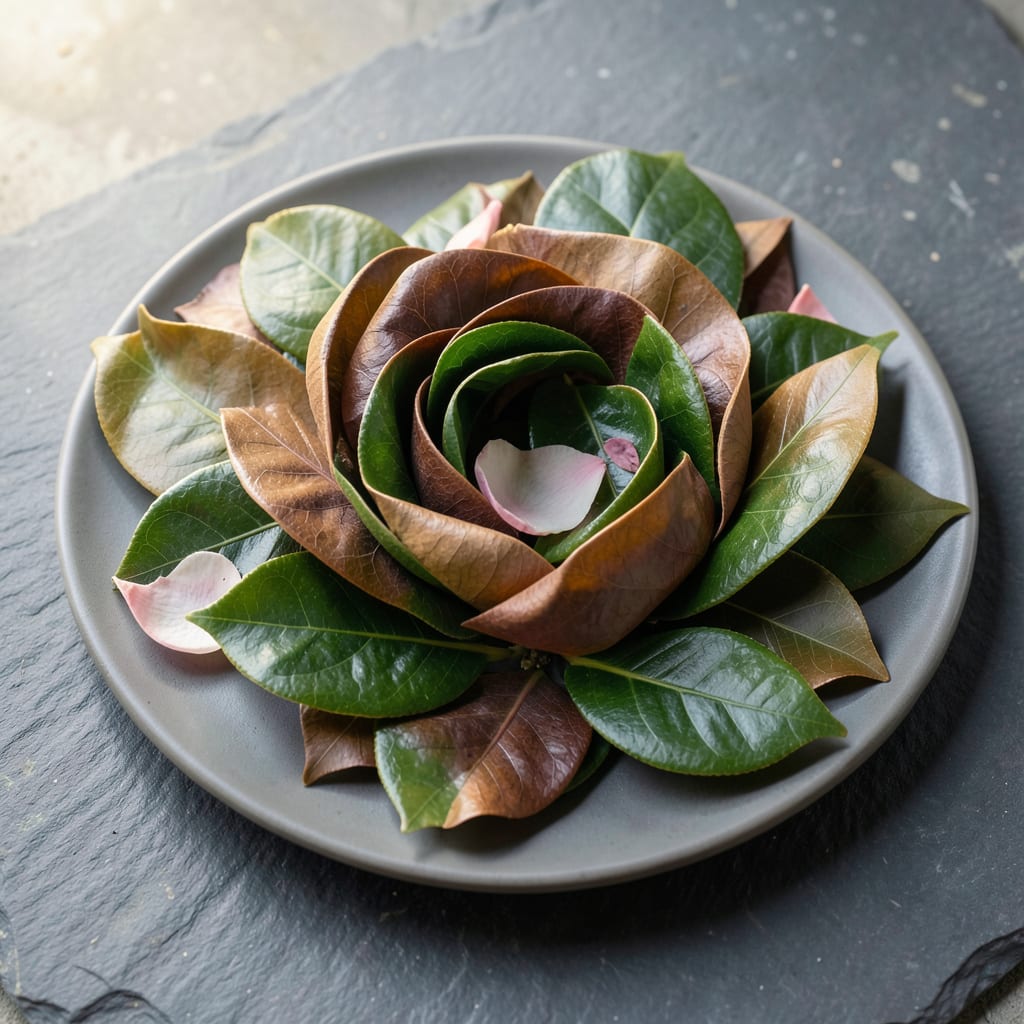
Brown camellia leaves always signal something’s wrong. I’ve seen this happen in my own garden, and it usually comes down to just a few common culprits.
Too much sun can scorch leaves, while fungal infections spread quickly in damp conditions. Overwatering or poor drainage often makes the problem worse, turning a minor issue into a full-blown crisis.
Solutions are simpler than you’d think. Adjust watering habits, improve air circulation, and check for pests hiding under the leaves. A little attention now saves the plant later.
With the right fixes, those brown leaves won’t spread to the rest of the plant. Your camellia can bounce back faster than you expect.
Camellia leaves turning brown often signal environmental stress or disease. Here are the most common causes, explained simply but scientifically:
Pathogens like Ciboria or Phyllosticta thrive in damp conditions, causing brown spots or blotches. Overhead watering or poor air circulation accelerates spores. Fungal issues often start as yellow halos before turning necrotic brown.
Camellias prefer dappled shade. Direct, intense sunlight (especially afternoon rays) bleaches chlorophyll, leading to crispy brown edges or patches. Heat stress exacerbates this, especially in dry climates.
Both underwatering (dry, brittle leaves) and overwatering (root rot → nutrient blockage) trigger browning. Camellias need consistently moist but well-drained soil—soggy roots suffocate, while drought stresses the plant.
Lack of magnesium (interveinal browning) or iron (yellowing between veins) can cause discoloration. Acidic soil (pH 5.5–6.5) is critical for nutrient uptake—alkaline soil locks out essential minerals.
Sap-sucking pests like scale insects or spider mites weaken leaves, leading to brown stippling or curling. Their feeding disrupts water transport, accelerating dieback.
Identify the pattern (spots, edges, veins) and conditions (wet/dry, sun/shade) to pinpoint the exact issue.
Dealing with brown leaves on your camellia can feel discouraging, but the right fixes can restore its lush green beauty. Below are practical solutions tailored to the most common causes, along with prevention tips to keep your plant thriving.
Fix: Treat with a copper-based fungicide or neem oil spray, applying it every 7–10 days until the issue clears. Remove and destroy heavily infected leaves to prevent spread.
Prevent: Improve air circulation by spacing plants properly. Water at the base in the morning to allow foliage to dry quickly. Avoid overhead watering.
Fix: Move potted camellias to a shadier spot or use shade cloth for in-ground plants. If leaves are crispy, prune the damaged ones to redirect energy to healthy growth.
Prevent: Gradually acclimate camellias to sunlight if they’ve been in shade. Mulch the base to retain moisture and regulate soil temperature.
Fix: Check soil moisture with your finger—water when the top inch feels dry. If the soil is soggy, improve drainage by amending with compost or moving to a raised bed.
Prevent: Use a moisture meter for precision. Water deeply but less frequently to encourage strong roots.
Fix: Test soil pH (camellias prefer 5.5–6.5). Adjust with sulfur or lime, and fertilize with an acid-loving plant formula rich in iron and magnesium.
Prevent: Feed camellias in early spring and again after blooming. Top-dress with organic matter annually.
💡 Pro Tip: Regularly inspect leaves for early signs of browning—catching issues early makes treatment far easier!
Sunburn causes crispy brown edges or patches on leaves exposed to direct light. Look for bleached spots first, which turn brown as they dry out.
Water deeply at the base in the morning, keeping soil moist but not soggy. Use the finger test: water when the top 1 inch of soil feels dry.
Yes! Low iron or magnesium can lead to interveinal browning. Test soil pH and use an acid-loving fertilizer to correct imbalances.
