
Beautiful Plants For Your Interior
Beautiful Plants For Your Interior
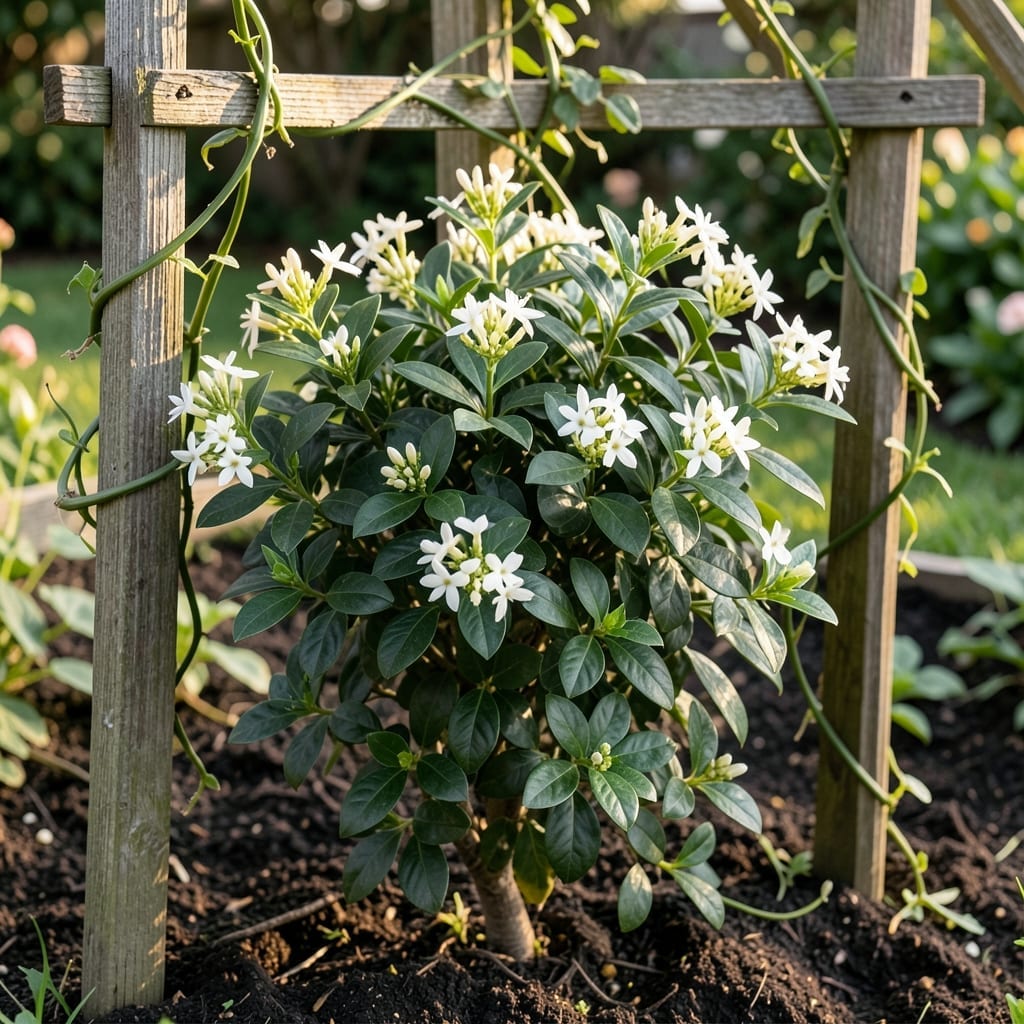
There’s nothing quite like the sweet perfume of Jasmine floating through your garden on a warm spring day. But here’s the catch: without the right sunlight, your 🌸 Jasmine won’t reach its full blooming potential.
I’ve seen too many gardeners struggle with sparse flowers or weak growth, all because they missed this most important factor. The good news? Getting it right is simpler than you think.
Whether you’re growing Jasmine in the ground or in containers, light exposure makes all the difference. Even small adjustments can transform your plant’s performance.
Discover how to harness the power of sunlight to unlock your Jasmine‘s true beauty and fragrance. Your garden will thank you.
I’ve found that jasmine plants thrive in specific light conditions, but the ideal exposure varies by species. Most jasmine varieties need full sun to produce their signature fragrant blooms and lush foliage. ☀️
For example, Common Jasmine loves 6-8 hours of direct sunlight daily, while Star Jasmine can tolerate partial shade in hotter climates. Knowing your variety’s needs is key to success.
| Jasmine Variety | Sun Requirement | Climate Notes |
|---|---|---|
| Common Jasmine | Full sun (6-8 hours) | Ideal for warm climates |
| Star Jasmine | Full sun to partial shade | Tolerates afternoon shade |
| Winter Jasmine | Full sun to light shade | Hardy in cooler zones |
| Arabian Jasmine | Full sun (8+ hours) | Needs intense heat |
In my experience, Common Jasmine and Arabian Jasmine demand the most sunlight, often requiring 8+ hours of direct sun to bloom abundantly. These varieties are perfect for gardeners in USDA zones 7-10 with long, sunny days.
Star Jasmine is more adaptable, thriving in full sun but also doing well with afternoon shade in scorching climates. This makes it a favorite for container gardening on patios.
Winter Jasmine is unique—it blooms in late winter and prefers full sun but can handle light shade. It’s a great choice for gardeners in cooler regions or those with partial shade gardens.
If you’re growing jasmine in containers, rotate pots to ensure even sun exposure. I’ve seen containers placed on south-facing balconies yield the most vibrant blooms and healthy growth.
For gardeners in hot desert climates, providing dappled afternoon shade can prevent leaf scorch. Morning sun is gentler, and jasmine plants often respond well to this balance.
Remember, consistent sunlight is crucial for flowering. If your jasmine isn’t blooming, check if it’s receiving enough light. Adjusting its position can make a dramatic difference in bloom production.
Lastly, observe your plant’s response. If leaves turn yellow or brown, it might be getting too much sun, while leggy growth indicates it needs more light. Finding the right balance ensures a thriving jasmine. 🌸
If your Jasmine isn’t blooming as it should, the issue often starts with sunlight exposure. Even experienced gardeners sometimes overlook how light deprivation can stunt growth and reduce fragrance. I’ve seen it firsthand—healthy-looking plants that just won’t flower.
Watch for leggy stems stretching toward the light, pale or yellowing leaves, and a noticeable lack of buds. These are classic red flags your plant is starved for more sun. The good news is that corrective action is usually straightforward.
⚠️ Warning: Light Deficiency
If your Jasmine shows sparse blooms or weak growth, it may need 6+ hours of direct sun. Move it gradually to avoid shock.
On the flip side, too much sun can be just as harmful, especially in scorching climates. Look for brown leaf edges or wilting during peak afternoon heat. This often means your plant needs partial shade during the hottest part of the day.
For container-grown Jasmine, the solution is simple: relocate the pot to a sunnier spot or adjust its position throughout the day. In-ground plants may need thinning nearby trees or pruning overhanging branches to let more light through.
I always recommend monitoring your plant for a few days after making changes. Jasmine responds quickly to improved light, often showing new growth within a week or two. Be patient—it’s worth the wait for those fragrant blooms!
Remember, consistent light is key. Even a few hours of shade at the wrong time can disrupt flowering. Aim for that sweet spot of full morning sun with dappled afternoon shade in hotter regions. Your Jasmine will reward you with lush, aromatic blossoms 🌸