
Beautiful Plants For Your Interior
Beautiful Plants For Your Interior
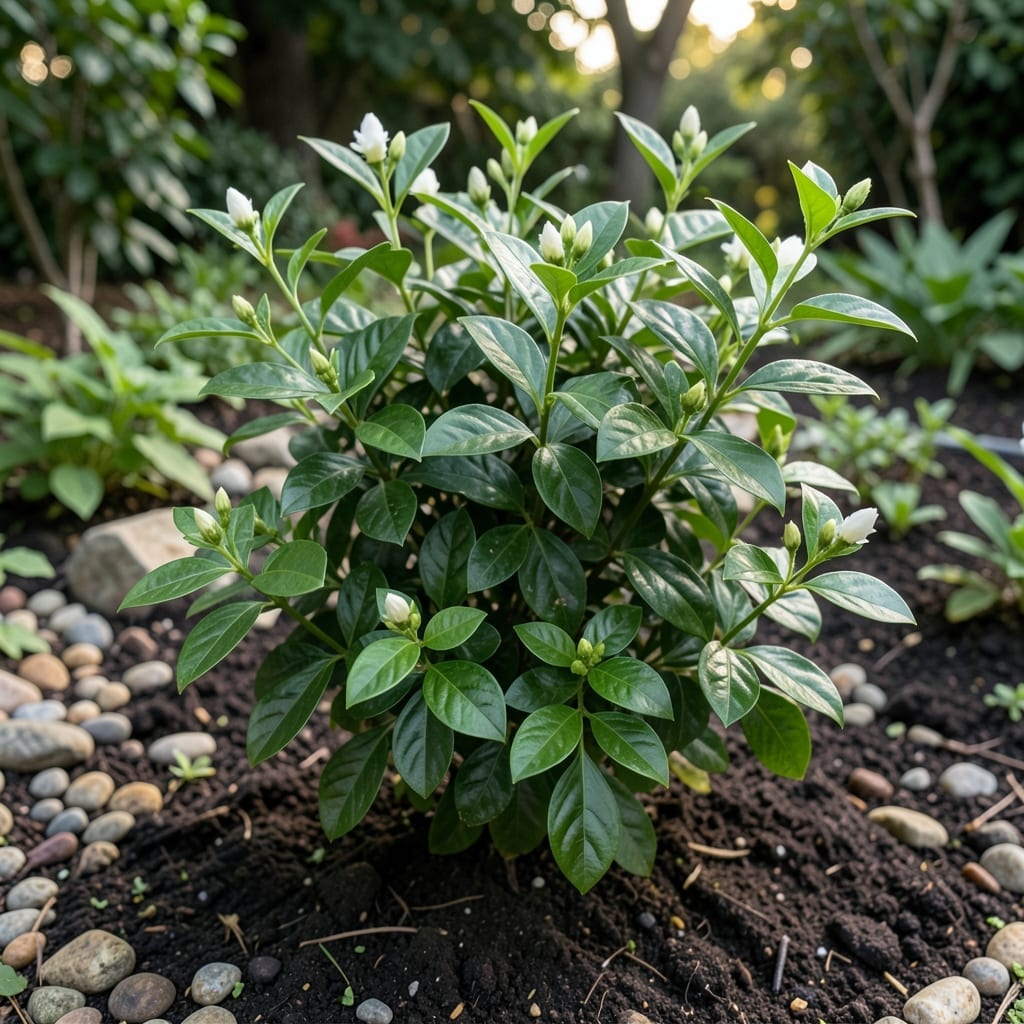
Last spring, my jasmine sat there, all leafy and green, but not a single bloom. Frustrating doesn’t cover it.
Turns out, the usual suspects are lack of light, wrong pruning timing, or not enough phosphorus in the soil. I fixed the light issue first, moved it to where it gets 6+ hours of sun, and that alone made a difference.
Then there’s the pruning mistake—cutting at the wrong time removes the very buds that would’ve become flowers. Now I prune right after it blooms, not before.
With the right fixes, you’ll see buds forming within 4-6 weeks. The scent when they finally open makes the troubleshooting worth it.
Several factors can prevent jasmine from blooming, often tied to environmental stress or improper care. Here’s a breakdown of the most common causes:
Jasmine thrives in moderate temperatures (60–75°F). Exposure to cold drafts, frost, or excessive heat can disrupt flower formation. Even a single cold snap below 40°F may damage buds, while temperatures above 90°F can stress the plant, halting blooming.
Jasmine needs 6–8 hours of direct sunlight daily to produce flowers. Shade from overhangs, trees, or indoor placement far from windows can starve the plant of the energy required for blooming. Low light = no flowers.
Both overwatering and underwatering stress jasmine. Soggy roots rot and prevent nutrient uptake, while drought conditions force the plant into survival mode, prioritizing foliage over flowers. Aim for consistent moisture—let the top inch of soil dry between waterings.
Too much nitrogen (common in lawn fertilizers) promotes leafy growth at the expense of flowers. Jasmine benefits from a balanced fertilizer (10-10-10) or one higher in phosphorus (e.g., 7-9-5) to encourage blooming. A soil test can reveal deficiencies.
Jasmine blooms on new wood, so pruning at the wrong time (e.g., late fall or winter) can remove potential flower buds. Prune immediately after blooming to shape the plant without sacrificing next season’s flowers.
If your jasmine isn’t blooming, these targeted fixes can bring back those fragrant flowers. Address the most common causes with these practical solutions.
Jasmine blooms on old wood, so prune right after flowering to avoid cutting off next year’s buds. Remove only dead or weak growth, and shape the plant lightly. Prevention tip: Never prune in late summer or fall, as this can remove budding stems.
Jasmine thrives in full sun (6+ hours daily). If your plant is in shade, relocate it gradually to a sunnier spot to avoid shock. For potted jasmine, move it to a south-facing balcony or patio. Prevention tip: Monitor sunlight patterns in your garden and adjust placement as seasons change.
Jasmine likes consistently moist but well-drained soil. If the soil is soggy, improve drainage with compost or sand. If it’s too dry, water deeply 1-2 times a week, allowing the top inch to dry between waterings. Prevention tip: Use mulch to retain moisture and prevent water stress.
A lack of phosphorus can hinder blooming. Use a balanced fertilizer (10-10-10) or switch to a bloom-boosting formula (higher in phosphorus, like 7-9-5) in early spring. Prevention tip: Avoid over-fertilizing with nitrogen, which promotes leafy growth at the expense of flowers.
Jasmine prefers warm days (70-85°F) and cool nights. If temperatures drop below 40°F, move potted plants indoors. In extreme heat, provide afternoon shade. Prevention tip: Acclimate plants slowly to temperature changes to reduce shock.
With these adjustments, your jasmine should reward you with abundant, fragrant blooms in no time! 🌸
With proper care, you’ll typically see new buds forming within 4-6 weeks. Full blooms may take a bit longer depending on the variety and growing conditions.
Yes, especially if it’s high in nitrogen. This encourages leafy growth instead of flowers. Switch to a phosphorus-rich formula to promote blooming.
Unlikely. Jasmine needs 6+ hours of direct sunlight daily to produce flowers. Without it, the plant may stay healthy but won’t bloom.
Not usually. If your plant is mature and healthy, missing a season often means a care issue like improper pruning or poor light. Check your growing conditions.