
Beautiful Plants For Your Interior
Beautiful Plants For Your Interior
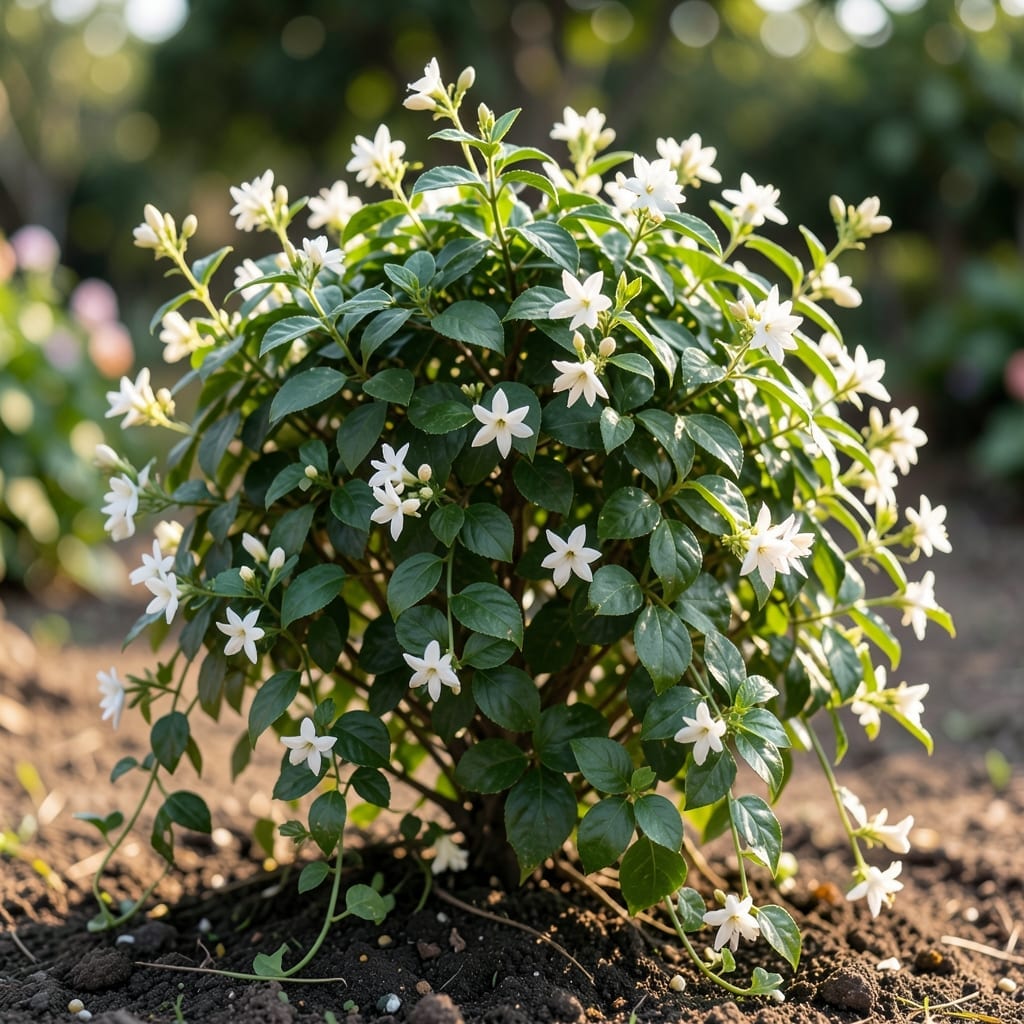
Nothing signals the arrival of spring and summer like the intoxicating scent of Jasmine 🌸 in full bloom. That first whiff in the garden tells you the season has truly changed.
Knowing when to expect those fragrant flowers makes all the difference in your gardening calendar. It helps you time pruning, fertilizing, and most importantly, enjoying your Jasmine at its peak.
Whether you’re in zone 6 or a warmer climate, the blooming period brings a special kind of magic to your outdoor space. The timing varies, but the reward is always the same.
Discover how to make the most of your Jasmine blooming season and keep those beautiful, aromatic blossoms coming back year after year.
I love how jasmine varieties each have their own blooming rhythm. The timing depends on your climate zone and the specific jasmine type you’re growing in your garden.
Confederate jasmine typically bursts into bloom from April to June, while Star jasmine follows closely behind with its fragrant white flowers from May to July.
| Variety | Bloom Season | USDA Zones | Key Feature |
|---|---|---|---|
| Confederate | April-June | 7-11 | Vigorous climber |
| Star | May-July | 8-11 | Sweet fragrance |
| Spanish | June-August | 8-10 | Evergreen vine |
| Arabian | Year-round | 10-11 | Tropical climates |
In cooler zones like USDA 6-7, jasmine may bloom later in spring and finish earlier in fall. Warmer climates in zones 9-11 often enjoy longer blooming periods with some varieties flowering multiple times per year.
Spanish jasmine thrives in Mediterranean climates, producing its delicate white blooms from June through August. It’s perfect for gardeners in zones 8-10 who want summer-long fragrance.
For those in tropical zones, Arabian jasmine is a dream come true. This variety can bloom year-round in frost-free areas, though it peaks during the warmer months.
Remember that microclimates in your garden can affect blooming. A south-facing wall or urban heat island might trigger earlier blooms, while shady spots could delay flowering by 2-3 weeks.
I always recommend checking your local frost dates. In most areas, jasmine starts setting buds after the last spring frost. For Confederate jasmine, this often means buds appear in early April with flowers following in May.
The length of daylight also plays a role. Jasmine varieties are photoperiod-sensitive, meaning they often wait until days reach a certain length before blooming. This is why you’ll see more consistent blooming in late spring and early summer. ☀️
If you’re growing jasmine in containers, you can manipulate the blooming season slightly by moving pots to warmer or cooler spots as needed. Just be sure to acclimate your plants gradually to prevent shock.
No matter your variety, proper winter care in colder zones ensures better blooms next season. Mulch heavily around the base and consider protective coverings during hard freezes. 🌱
I’ve found that with a few simple adjustments, you can coax longer blooming periods from your jasmine. The key is understanding that healthy growth and proper timing go hand in hand for these fragrant climbers.
One of the most effective ways is to prune at the right time. For most jasmine varieties, a light trim right after the first bloom cycle encourages new growth and additional flowers later in the season.
I always recommend using a balanced 10-10-10 fertilizer during the growing season. This provides the essential nutrients jasmine needs without overstimulating foliage growth at the expense of flowers.
Another trick I swear by is microclimate management. Planting near a south-facing wall or using reflective mulches can create a warmer environment that extends the blooming window by a few weeks.
Remember that consistent moisture is crucial, but overwatering can lead to root rot. I check my jasmine plants weekly and water when the top inch of soil feels dry to the touch.
Finally, don’t underestimate the power of proper pruning tools. Clean, sharp bypass pruners make precise cuts that heal faster, reducing stress on the plant and encouraging better regrowth and flowering. ✂️