
Beautiful Plants For Your Interior
Beautiful Plants For Your Interior
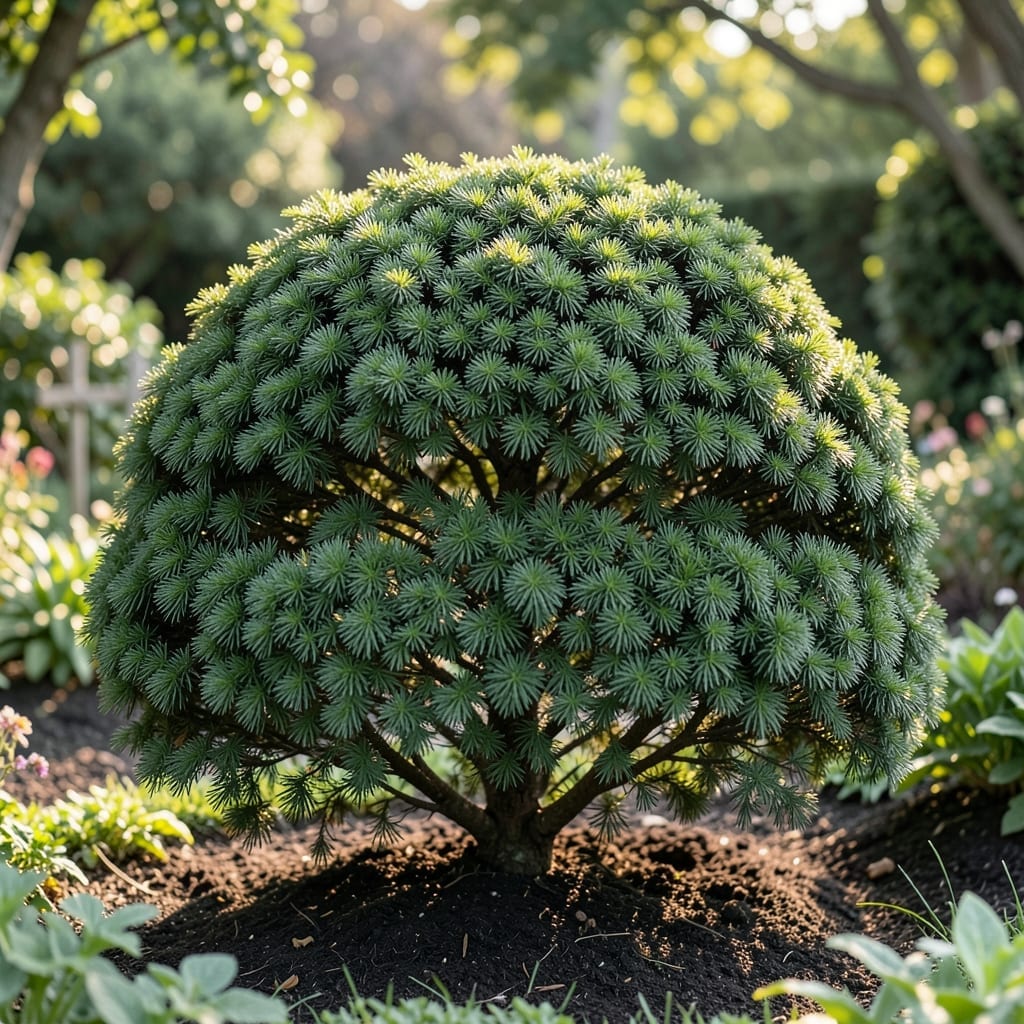
Japanese yews bring year-round beauty with their dark green, needle-like leaves. 🌿 I’ve grown these evergreens for years, and their dense, glossy foliage adds structure to any landscape.
They thrive in partial shade and tolerate a variety of soils, making them a low-maintenance choice. Just be aware—every part of the plant is toxic if ingested, so keep pets and kids at a safe distance.
📚 In This Guide
These subtle details will help you distinguish this plant with absolute confidence.
The Texture Test: Confession: I used to confuse yew with other conifers until I learned this—run your fingers along the stem. The needles should feel soft and leathery, not sharp like pine or spruce. This tactile check in Step 1 is your first line of defense against misidentification.
Color Contrast: In Step 2, focus on the two-toned leaves. The upper surface is deep, lustrous green while the underside is paler, sometimes yellowish. Hold a leaf up to the light—this contrast is consistent year-round, even when seasonal color shifts occur.
Stem Clues: Step 3 reveals the hidden identifier: look for the small, raised bump at the base of each needle. These leaf scars create a subtle ridged pattern along the stem that’s unique to yews. I know it seems minor, but this detail often confirms identification when other features are ambiguous.
Seasonal Signs: Don’t overlook the red berry-like structures (arils) in late summer. As mentioned in Step 4, these appear only on female plants, but their presence is a dead giveaway. Even in winter, when foliage may turn bronze, the needle arrangement remains your most reliable clue.
Yes, Japanese yew leaves are highly toxic due to taxine alkaloids, which can cause cardiac arrest or respiratory failure if ingested. Avoid contact and keep them away from children and pets.
Look for dark green, needle-like leaves (1-2 inches long) with a glossy texture and a midrib. They grow in a spiral pattern on the stem. Always wear gloves when handling.
Wash your skin immediately with soap and water. If irritation occurs, seek medical help. Avoid touching your face or mouth until your hands are clean.
Yes! Consider safe options like boxwood, inkberry, or dwarf yapon holly, which offer similar aesthetics without the toxicity.
It depends on the amount ingested. Immediate veterinary care is critical—symptoms include vomiting, tremors, or collapse. Early treatment improves survival chances.