
Beautiful Plants For Your Interior
Beautiful Plants For Your Interior
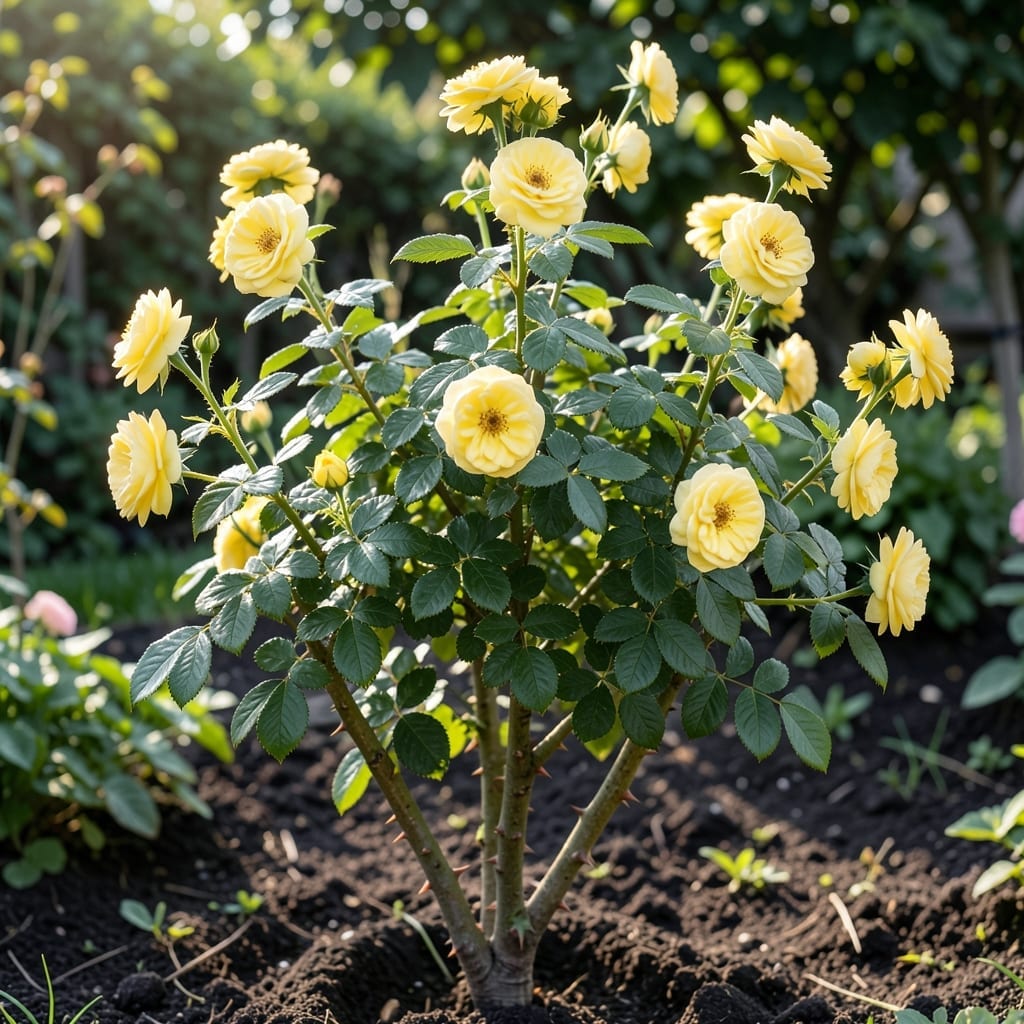
That first glimpse of golden-yellow blooms against deep green foliage sold me on this rose. I’ve grown dozens of varieties, but this one stands out for its vibrant color and surprising hardiness in less-than-perfect conditions.
It thrives with basic care—well-draining soil, full sun, and consistent watering. Prune it back hard in early spring, and you’ll be rewarded with a flush of blooms that keep coming all season long.
📚 In This Guide
These insights come from years of trial and error in my own garden.
Sunlight Strategy: The 6-8 hours of direct sunlight mentioned in Step 1 isn’t just a suggestion—it’s essential. I learned this the hard way when my first plant struggled in partial shade. If your yard doesn’t get full sun, consider container planting so you can move the rose to follow the light. Morning sun is particularly beneficial as it dries dew quickly, reducing disease risk.
Soil Depth Matters: When working the soil to 12-15 inches in Step 2, don’t cut corners. Shallow preparation leads to weak root systems. I use a garden fork to loosen the soil deeply without disturbing the existing structure too much. The 2-3 inches of compost makes a noticeable difference in bloom quality.
Planting Precision: That 1-2 inch gap above soil level for the graft union in Step 3 is crucial. I’ve seen roses fail because they were planted too deep. Use a ruler if you’re unsure—this small detail prevents many common rose diseases. Also, the 2-3 inch mulch layer should never touch the stem; I keep it about 6 inches away.
Watering Wisdom: The 2-3 times per week watering schedule in Step 4 works best when you water deeply each time. I use a moisture meter to check soil depth—when the top 2-3 inches are dry, it’s time to water. In hot spells, I switch to every other day but reduce the amount slightly to avoid waterlogging.
Common issues include fungal infections like black spot or powdery mildew, often caused by high humidity or poor air circulation. Overwatering and nutrient deficiencies can also weaken the plant, making it more susceptible to diseases.
The ideal time is early spring or fall, when temperatures are mild. This allows the roots to establish before extreme heat or cold. Avoid planting during peak summer or winter to reduce stress on the plant.
Yes! Varieties like ‘Golden Celebration’ or ‘Graham Thomas’ are known for their resistance to common diseases. These are great alternatives if you’re looking for low-maintenance, vibrant yellow blooms.
Remove infected leaves and improve air circulation around the plant. Apply a fungicide like sulfur or neem oil, and avoid overhead watering to keep foliage dry. Regular pruning also helps prevent recurrence.