
Beautiful Plants For Your Interior
Beautiful Plants For Your Interior
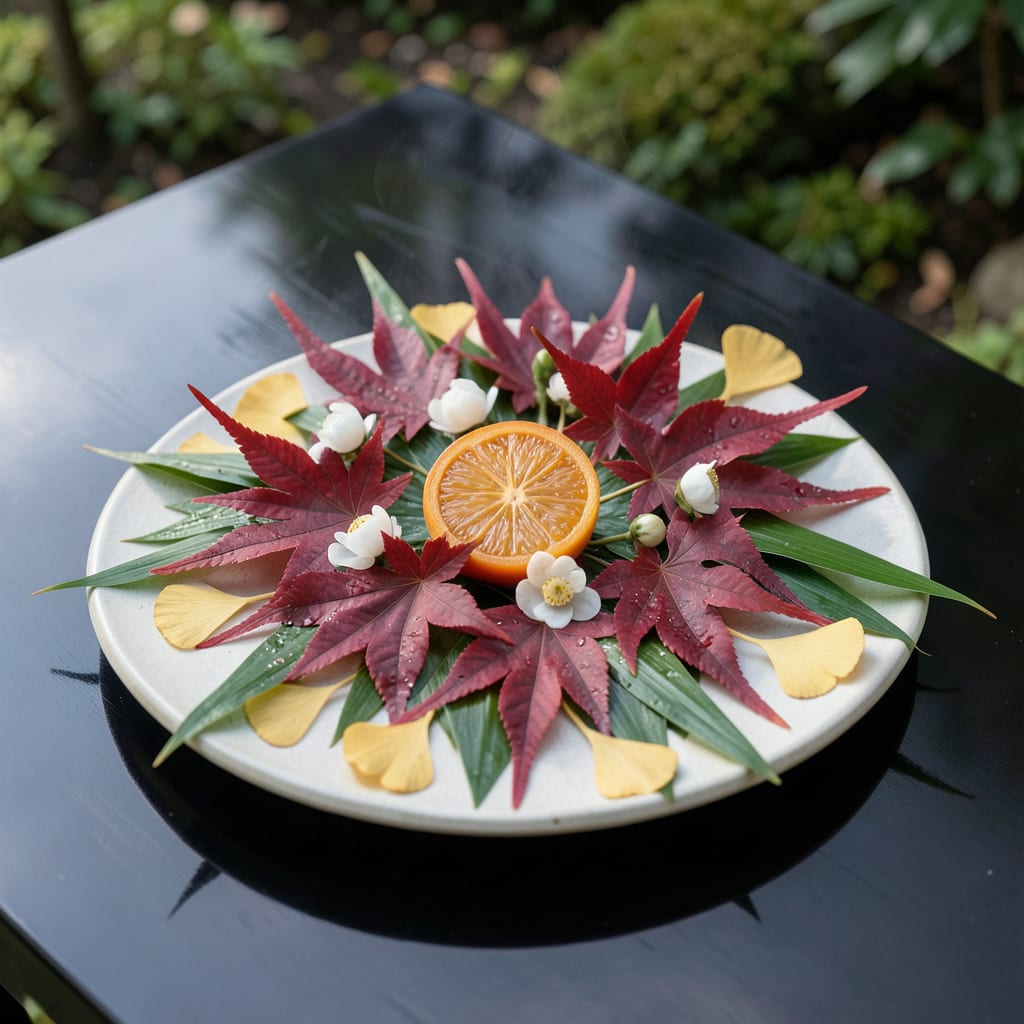
That first autum morning when the leaves turn fiery red stops me every time. Japanese trees with crimson foliage transform ordinary yards into living art with just sunlight and the right care.
From delicate maples to bold barberries, these stunning varieties reward you with year-round beauty. Plant in well-draining soil, give them space to breathe, and watch as they shift from vibrant green to blazing red each season.
📚 In This Guide
This seasonal process rewards patience with breathtaking color changes throughout the year.
Japanese maples, particularly Acer palmatum cultivars like Bloodgood or Emperor I, display the most dramatic red foliage. I always start by confirming the species, as color intensity varies significantly between varieties. Late summer is when you’ll first notice the subtle shift from deep green to burgundy undertones.
Check your tree’s current leaf color against a seasonal color chart. You should see the first hints of transformation when daytime temperatures drop below 75°F consistently. The process begins at the leaf edges, creating a beautiful gradient effect that spreads inward over 2-3 weeks.
Red leaf coloration intensifies with increased light exposure during cooler months. I position my potted specimens where they receive morning sun and afternoon shade to prevent leaf scorch while maximizing color development. In-ground trees typically need no adjustment unless heavily shaded.
Watch for leaves that appear dull or greenish – this often indicates insufficient light. The ideal scenario produces leaves so deep red they appear nearly black in certain light conditions. You’ll notice the most vibrant colors on leaves exposed to 4-6 hours of direct sunlight daily.
The most dramatic color shift occurs when nighttime temperatures drop to 40-50°F while days remain in the 50-65°F range. I keep a garden journal to note these temperature thresholds, as they’re the trigger for anthocyanin production – the pigment responsible for red hues.
Expect the transformation to complete within 4-6 weeks of consistent cool weather. The process culminates in late fall with leaves turning a brilliant crimson before dropping. You’ll know the peak color moment has arrived when the entire canopy appears uniformly red from a distance.
Healthy trees produce the most vibrant color displays. I ensure consistent moisture during the transition periods, watering when the top 2 inches of soil feel dry. Avoid overwatering, as soggy roots can mute the color change and lead to premature leaf drop.
A balanced fertilizer applied in early spring sets the stage for autumn color. I use a 10-10-10 formula at half strength, which provides the nutrients needed for robust foliage without encouraging excessive green growth. The payoff comes when your tree’s red leaves become the neighborhood’s autumn highlight.
After the leaves drop, the tree enters dormancy. I apply a 2-3 inch layer of mulch around the base to protect roots from freezing temperatures. This also helps maintain consistent soil moisture, which is crucial for next year’s growth and color production.
Late winter is the time for structural pruning if needed. I remove any dead or crossing branches to improve air circulation and light penetration. This preparation ensures that when spring arrives, your tree will have the best possible foundation for another spectacular red leaf display next fall.
The details that separate a good display from a breathtaking one.
The Temperature Sweet Spot: That 40-50°F nighttime range in Step 3 is non-negotiable for anthocyanin production. I’ve watched trees struggle to turn when nights stay above 50°F, producing lackluster colors. Use a reliable outdoor thermometer—phone weather apps can be off by 5-10°F.
Light Exposure Hack: In Step 2, if your tree gets less than the ideal 4-6 hours of direct sunlight, try supplementing with a grow light positioned 2-3 feet away for 2-3 hours daily during the transition period. I’ve saved underperforming specimens this way.
Timing Reality Check: The 4-6 week transformation window in Step 3 assumes consistent cool weather. If you get a late heatwave with daytime temps back above 75°F, the process pauses. Don’t panic—it’ll resume when cooler temps return.
Moisture Balance: That 2-inch soil dryness check in Step 4 is your best defense against premature leaf drop. I use a wooden skewer—if it comes out clean at the 2-inch mark, it’s time to water. Overwatering is the #1 reason for muted fall colors.
Most Japanese red-leaf trees, like maples, turn vibrant in fall, typically from late September to November. The timing varies by species and climate—cooler regions see changes earlier!
Trees like the Japanese Red Maple (Acer palmatum) and Purple Leaf Plum retain reddish foliage, though shades may deepen in fall. Evergreen options are rare, but these offer long-lasting color.
Ensure well-drained soil, partial shade, and consistent watering. Avoid harsh sunlight to prevent leaf scorch. Prune in late winter for healthy growth and vibrant color.
This often happens in summer due to heat stress or excessive nitrogen. Adjust care by reducing fertilizer and providing afternoon shade to restore the red hues.
