
Beautiful Plants For Your Interior
Beautiful Plants For Your Interior
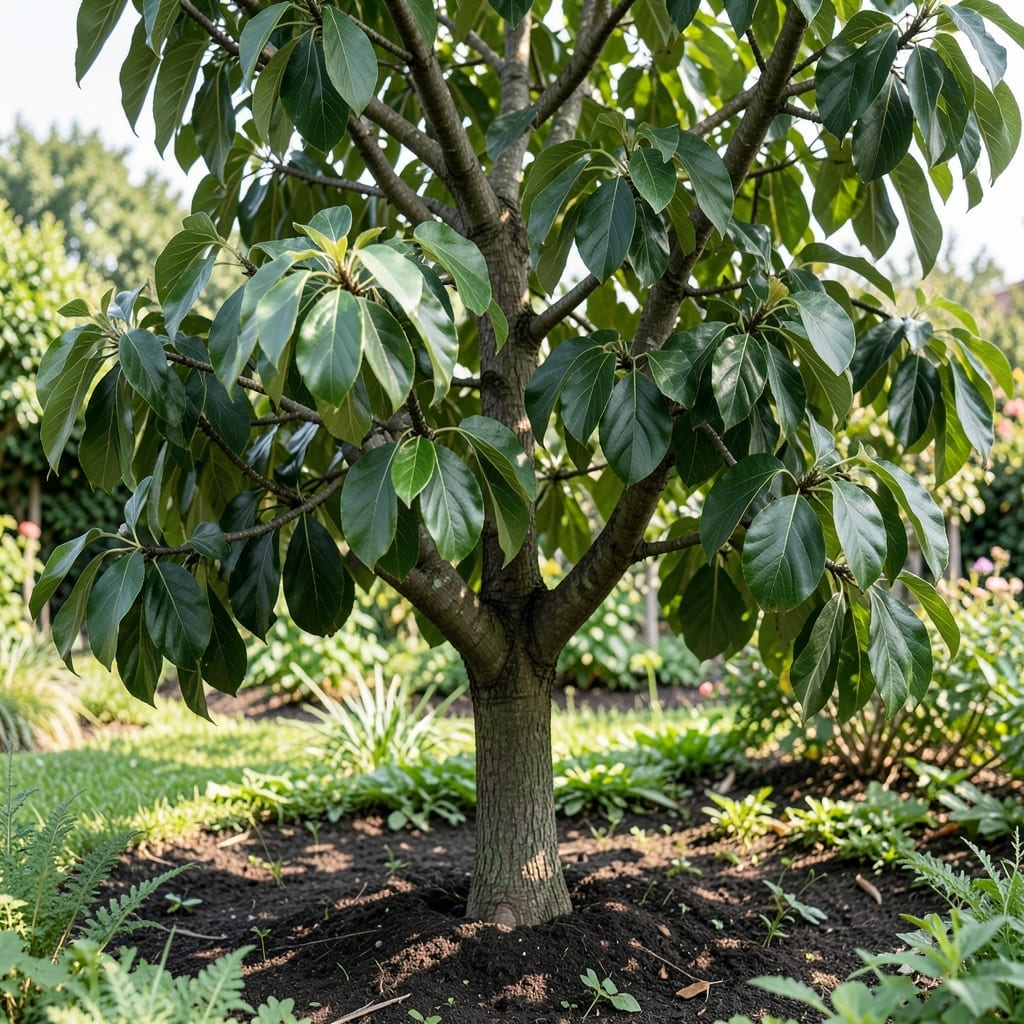
Japanese persimmon leaves are my secret weapon for healthier plants. I use them as a natural tea to boost growth and fight off common issues in the garden.
The leaves pack compounds that strengthen plants against pests and diseases. It’s a simple, no-cost method I swear by—just collect, dry, and steep. Works for most garden plants without harsh chemicals.
📚 In This Guide
Here’s the method I’ve refined over years of testing—simple, effective, and grounded in tradition.
Collect mature, healthy leaves from your persimmon tree in mid to late summer when their beneficial compounds peak. Avoid young, reddish leaves—they lack the concentration of tannins and antioxidants that make this remedy work. I always pick in the morning after dew has dried for maximum potency.
Rinse leaves gently under cool water to remove dust and insects. Pat them dry with a clean towel—excess moisture dilutes the active compounds. For immediate use, chop or tear leaves into 1-inch pieces to increase surface area and accelerate extraction.
Fill a heatproof container with 1 cup of fresh leaves for every 4 cups of boiling water. Pour the water over the leaves and cover immediately to trap volatile compounds. Let it steep for 24-48 hours at room temperature—this extended time extracts the full spectrum of beneficial properties.
The tea should turn a deep amber color, which indicates proper extraction. Strain through fine cheesecloth or a coffee filter to remove all plant material. I’ve found this prevents clogging when applying through a spray bottle, which you’ll want for even distribution.
For foliar application, pour the strained tea into a spray bottle and apply to plant leaves in the early morning or late evening to prevent leaf burn. Coat both upper and lower leaf surfaces until they glisten but aren’t dripping. This method works particularly well for preventing fungal diseases and boosting leaf health.
As a soil drench, use 1 cup of tea per gallon of water and apply at the base of plants. The compounds in persimmon leaves improve soil microbial activity and root health. I typically use this method for established plants showing signs of stress or nutrient deficiency.
Store any remaining tea in a sealed glass jar in the refrigerator for up to 1 week. The active compounds begin to degrade after this point, reducing effectiveness. I label each jar with the date to keep track, as it’s easy to forget when you made it.
For best results, apply this remedy every 2-3 weeks throughout the growing season. You’ll notice stronger growth, darker green foliage, and improved resistance to common plant ailments. The effects are cumulative, so consistency is key to seeing the full benefits.
This natural remedy works best when you pay attention to a few key details in the process.
Drying Perfection: In Step 1, those 7-10 days of drying are crucial—rush this and you’ll lose potency. I spread leaves on a mesh screen for airflow, which speeds up drying without sacrificing quality. The crumble test between your fingers is the only reliable indicator they’re ready.
Steeping Time Matters: The 24-hour steeping in Step 2 isn’t arbitrary. This extended time extracts the maximum tannins and nutrients from the dried leaves. I’ve tried shorter steeps, but the resulting tea lacks the rich amber color and effectiveness you get from the full day.
Application Timing: Early morning applications in Step 3 work because that’s when plant stomata are most open and receptive. If you must apply later, wait until late afternoon. Never spray during the heat of the day—you risk burning the leaves, which defeats the purpose entirely.
Storage Insight: That 2-week refrigeration window for the concentrate is firm. After that, the potency noticeably declines. I divide my batch into smaller jars, so I’m always using fresh concentrate at peak strength.
Most plants tolerate persimmon leaf tea, but test on a small area first. Avoid using it on very young seedlings or highly sensitive species like ferns.
Steep 10-15 fresh or dried leaves in 1 liter of water for 24 hours. Strain and dilute with water (1:1 ratio) before spraying on plants.
Apply in early morning or late evening, especially during dry weather. This helps prevent leaf burn and ensures better absorption.
Yes! The leaves contain tannins that repel pests like aphids and whiteflies. Use as a spray or mulch around plants for natural protection.
Rinse the leaves immediately with clean water and stop use. Reduce concentration or frequency next time to avoid over-application.