
Beautiful Plants For Your Interior
Beautiful Plants For Your Interior
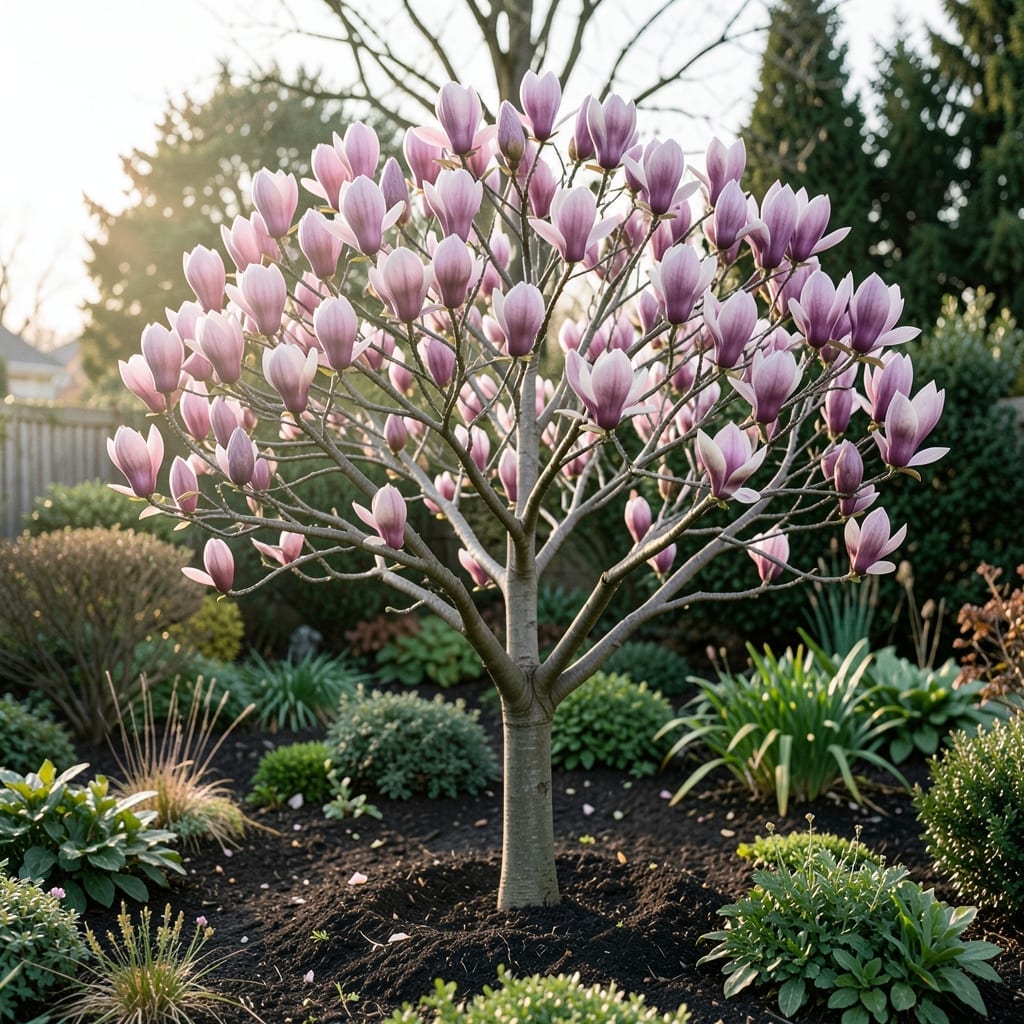
There’s something magical about watching a Japanese Magnolia 🌸 transform your garden with its stunning spring blooms. But many new gardeners are surprised by how quickly—or slowly—these elegant trees grow.
Understanding the growth pattern of the Japanese Magnolia helps you plan your landscape with confidence. Whether you’re planting in zone 5-8 or just curious about its development, knowing what to expect each season makes all the difference.
From its first year to full maturity, this tree has a unique rhythm. I’ll break down the milestones so you can nurture it properly and enjoy its beauty for years to come.
Discover how to support its growth and create a thriving garden centerpiece that turns heads every spring.


If you’re planting a Japanese magnolia, knowing its seasonal growth rate helps you plan your garden layout. These trees are moderate growers, typically adding 12-24 inches per year under ideal conditions. 🌳
The first year is all about establishing roots, so don’t expect dramatic height increases. By the second year, you’ll start seeing noticeable vertical growth, especially in spring when conditions are perfect. 🌱
| Season | Growth Focus | Height Gain |
|---|---|---|
| Spring | Foliage & flower growth | 6-12 inches |
| Summer | Canopy expansion | 4-8 inches |
| Fall | Root development | 2-4 inches |
| Winter | Dormancy | 0 inches |
In spring, your Japanese magnolia will focus on producing its iconic blooms and new leaves. This is when you’ll see the most rapid growth, with height increases of 6-12 inches in ideal conditions. ☀️
During summer, growth shifts to canopy expansion. The tree continues to grow, but at a slower rate of about 4-8 inches. This is the time to ensure it gets consistent watering. 💧
As fall arrives, the tree prepares for dormancy. You’ll notice less vertical growth—typically just 2-4 inches—as the root system strengthens for the winter ahead. 🌿
Winter dormancy means no visible growth, but don’t worry. The tree is conserving energy for the next growing season. This is a great time to prune if needed. ✂️
By year three, your Japanese magnolia may reach 6-8 feet tall. At maturity, which can take 10-15 years, it will stand 15-25 feet with a spread of 10-15 feet. 🌳
For faster growth, plant in well-draining, acidic soil and provide full sun to partial shade. Avoid waterlogged conditions, as this can stunt growth and lead to root rot. 💧
If you’re growing a dwarf variety, expect a slower growth rate. These typically max out at 8-12 feet but offer the same stunning blooms in a compact form. 🌷
I’ve found that Japanese magnolia growth rate varies widely based on care and environment. These trees thrive with the right balance of sunlight, water, and soil conditions, but even small oversights can slow their progress.
In my experience, well-draining acidic soil is non-negotiable for healthy root development. Without it, the tree struggles to absorb nutrients, which directly impacts how quickly it reaches mature height.
I always remind gardeners that overwatering can be just as harmful as drought. These trees prefer moderate moisture, with soil that’s damp but never soggy. A deep soak once weekly is usually perfect.
Another critical factor is pruning timing. I prune my Japanese magnolia right after blooming to avoid cutting off next year’s flower buds. This keeps the tree’s energy focused on vertical growth.
Temperature plays a role too. In cooler climates, growth slows during winter dormancy, while warmer regions may see year-round development. I’ve noticed my tree in Zone 7 grows about 12-18 inches annually.
Finally, mulching helps retain moisture and regulate soil temperature. I use 2-3 inches of organic mulch around the base, keeping it a few inches away from the trunk to prevent rot. This simple step makes a noticeable difference in growth vigor. 🌳