
Beautiful Plants For Your Interior
Beautiful Plants For Your Interior
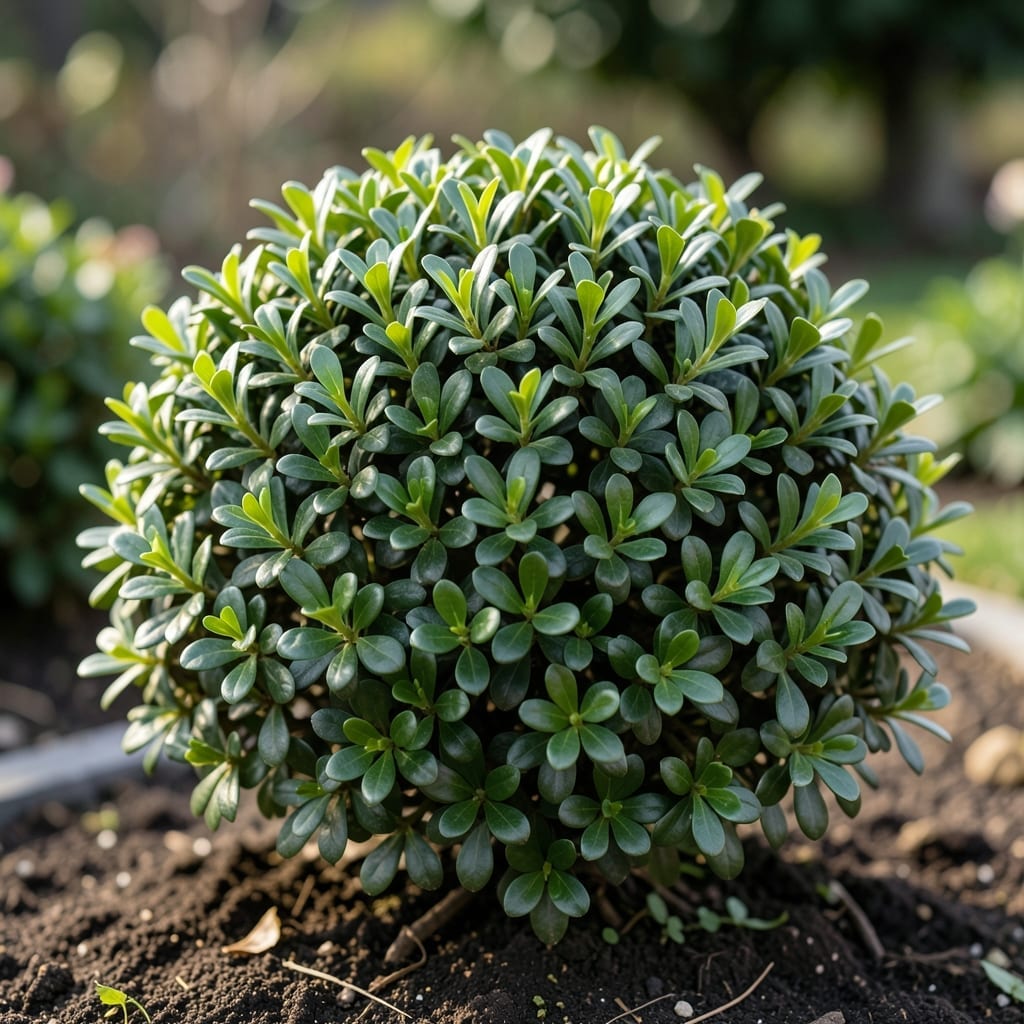
If you’ve ever admired the neat, lush hedges of Japanese Boxwood 🌿 in a garden, you might wonder how quickly it grows. This versatile shrub is a gardener’s dream for its dense, evergreen appeal.
But growth rates can vary based on care and conditions. Understanding these patterns helps you plan your landscape more effectively.
Let me walk you through what to expect year by year with this popular shrub, so you can cultivate it with confidence.


When I first planted Japanese boxwood, I was curious how quickly it would fill out my garden space. This shrub is known for its steady growth rate, typically adding 6-12 inches per year in ideal conditions.
In the first year, you can expect your Buxus microphylla to reach about 1 foot tall. By year two, it often doubles in height, and by year three, it may hit 4-5 feet. The mature size usually caps at 4-6 feet tall and wide.
| Growth Stage | Height Expectation | Notes |
|---|---|---|
| Year 1 | 1 ft | Establishes root system |
| Year 2 | 2-3 ft | Rapid vertical growth |
| Year 3 | 4-5 ft | Fills out width |
| Mature | 4-6 ft | Full, dense foliage |
The growth rate of Japanese boxwood can be influenced by several factors. Soil quality plays a huge role—well-draining, fertile soil will boost growth significantly compared to poor or compacted soil.
Climate conditions also impact how fast your boxwood grows. In warmer climates with longer growing seasons, you may see growth on the higher end of the range. Cooler climates might slow it down slightly, especially if winters are harsh.
Watering practices are another critical factor. I’ve found that consistent moisture without waterlogging encourages steady growth. Aim for 1-2 inches of water per week, adjusting for rainfall and temperature.
Fertilization can give your Japanese boxwood an extra push. A balanced fertilizer applied in early spring and again in mid-summer helps maintain vigorous growth. Just be careful not to over-fertilize, as this can lead to leaf burn.
Pruning also affects growth rate. Regular light pruning encourages bushier growth, while heavy pruning can temporarily slow it down as the plant recovers. I recommend pruning in late winter or early spring.
If you’re using Japanese boxwood for hedges or borders, spacing is key. For a dense hedge, plant them 2-3 feet apart. This allows enough room for growth while ensuring a full, lush appearance.
Compared to other boxwood varieties, Japanese boxwood tends to grow faster than English boxwood but slightly slower than some hybrid varieties. Its medium growth rate makes it a great choice for gardeners who want reliable, steady growth without excessive maintenance.
With the right care, your Japanese boxwood will reward you with its classic evergreen beauty for many years to come 🌿
If you want to speed up growth for your Japanese boxwood, I’ve found that proper fertilization is key. Use a balanced 10-10-10 fertilizer every 4-6 weeks during the growing season for best results.
For faster establishment, plant in well-draining soil enriched with compost. This gives roots the nutrient boost they need to support vigorous top growth.
✨ Boost Your Boxwood Growth
To slow growth for a more compact shape, I recommend reducing fertilization and pruning more frequently. Heavy pruning in late winter can help control size while maintaining density.
I’ve noticed that watering practices dramatically affect growth rate. Deep watering encourages deep root development, while shallow watering leads to weaker, slower growth. Always water at the base, not the leaves.
Environmental adjustments can also help. In hotter climates, afternoon shade prevents stress that can slow growth. In cooler areas, ensure your boxwood gets full morning sun to maximize growth potential.
Remember that over-fertilizing can actually harm your Japanese boxwood, causing leaf burn or excessive leafy growth at the expense of strong stems. Stick to the recommended amounts for steady, healthy growth 🌿