
Beautiful Plants For Your Interior
Beautiful Plants For Your Interior
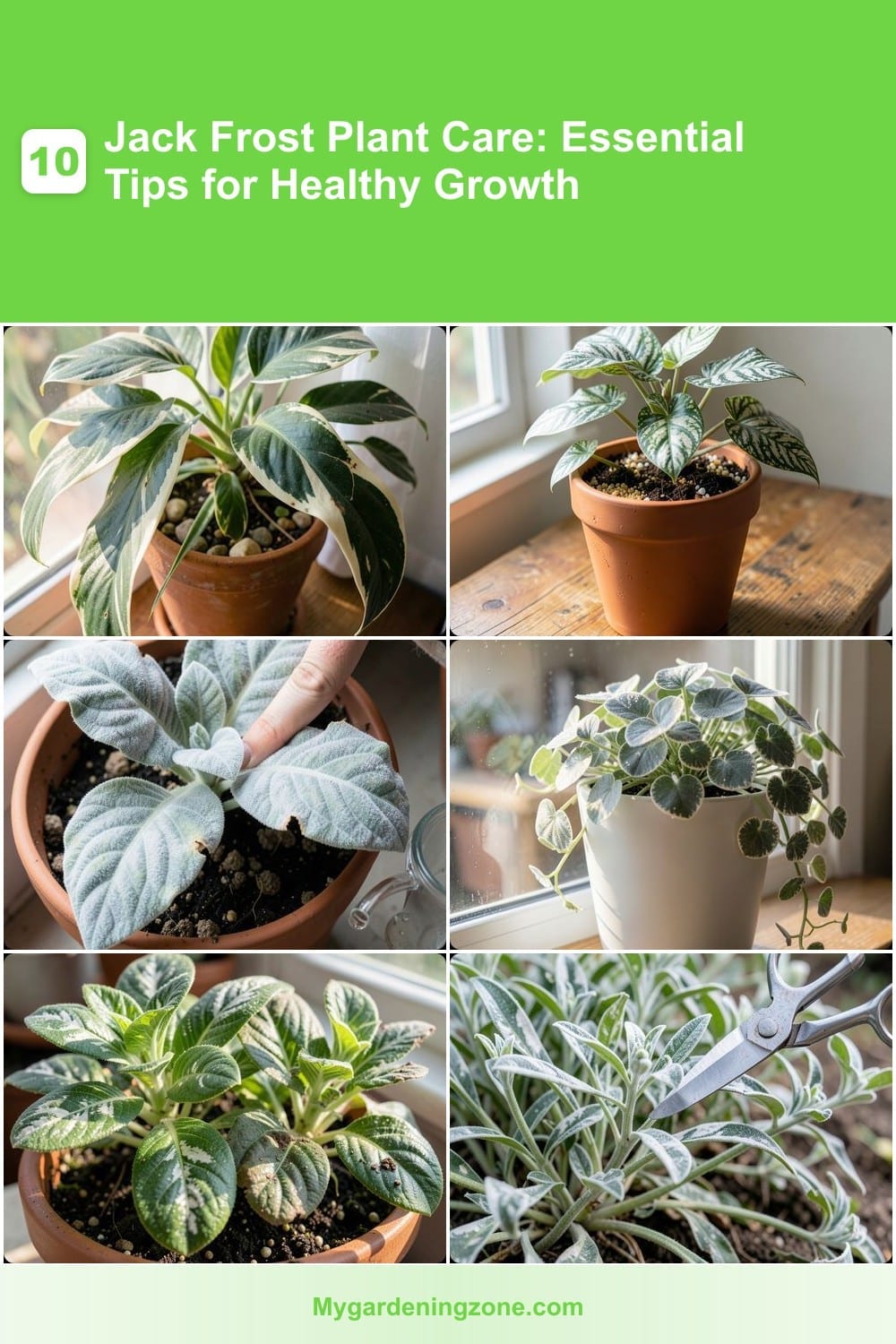
Jack Frost plants bring stunning variegated foliage to any garden, but they require specific care to thrive. Discover the ten essential tips to keep your Jack Frost plants healthy, vibrant, and pest-free all season long.
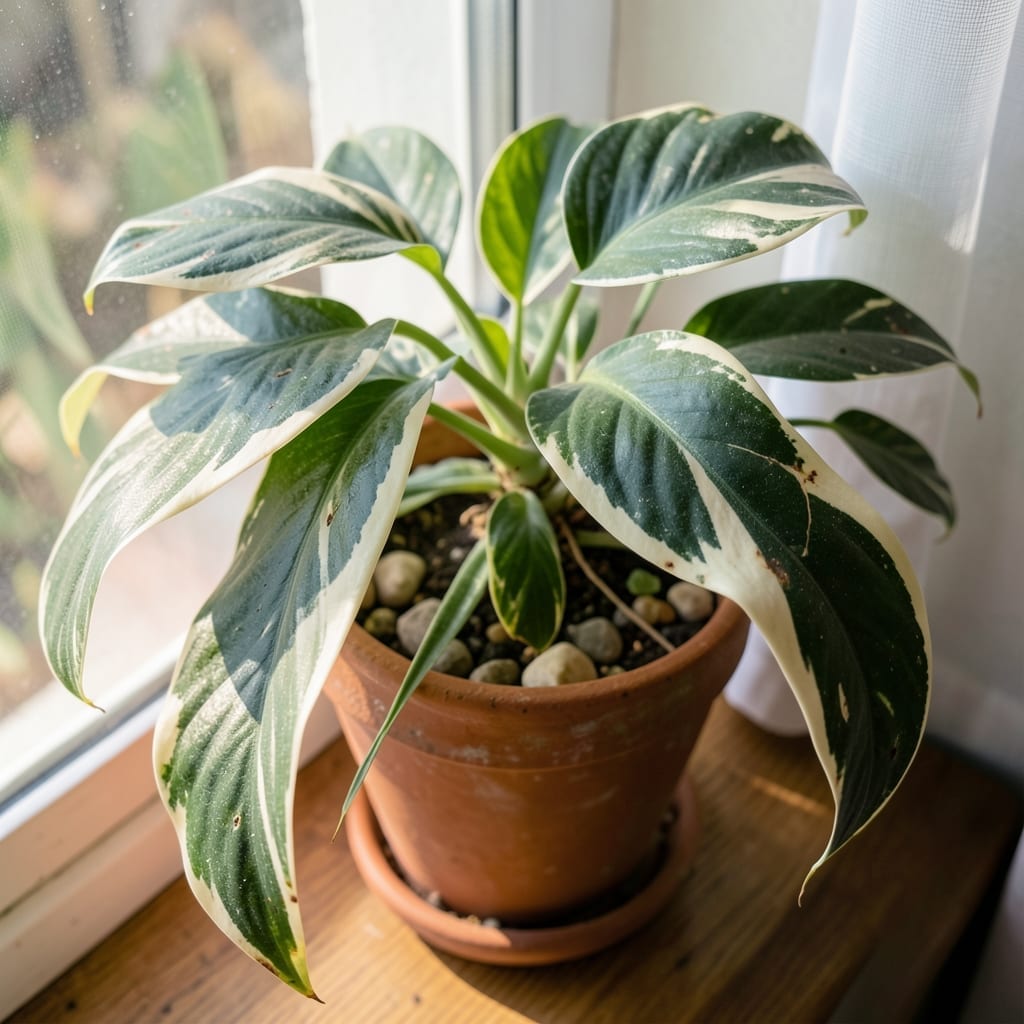
Your Jack Frost plant’s stunning white variegation depends on the right light balance. Too much direct sun can scorch its delicate leaves, while low light causes the variegation to fade into plain green.
Place it near a window with bright, indirect light—think east-facing or filtered sunlight through sheer curtains. This keeps the leaves vibrant without risking damage. Rotate the pot occasionally to ensure even growth on all sides.
Perfect for indoor gardeners who want bold foliage without the fuss of high-maintenance plants. 🌿
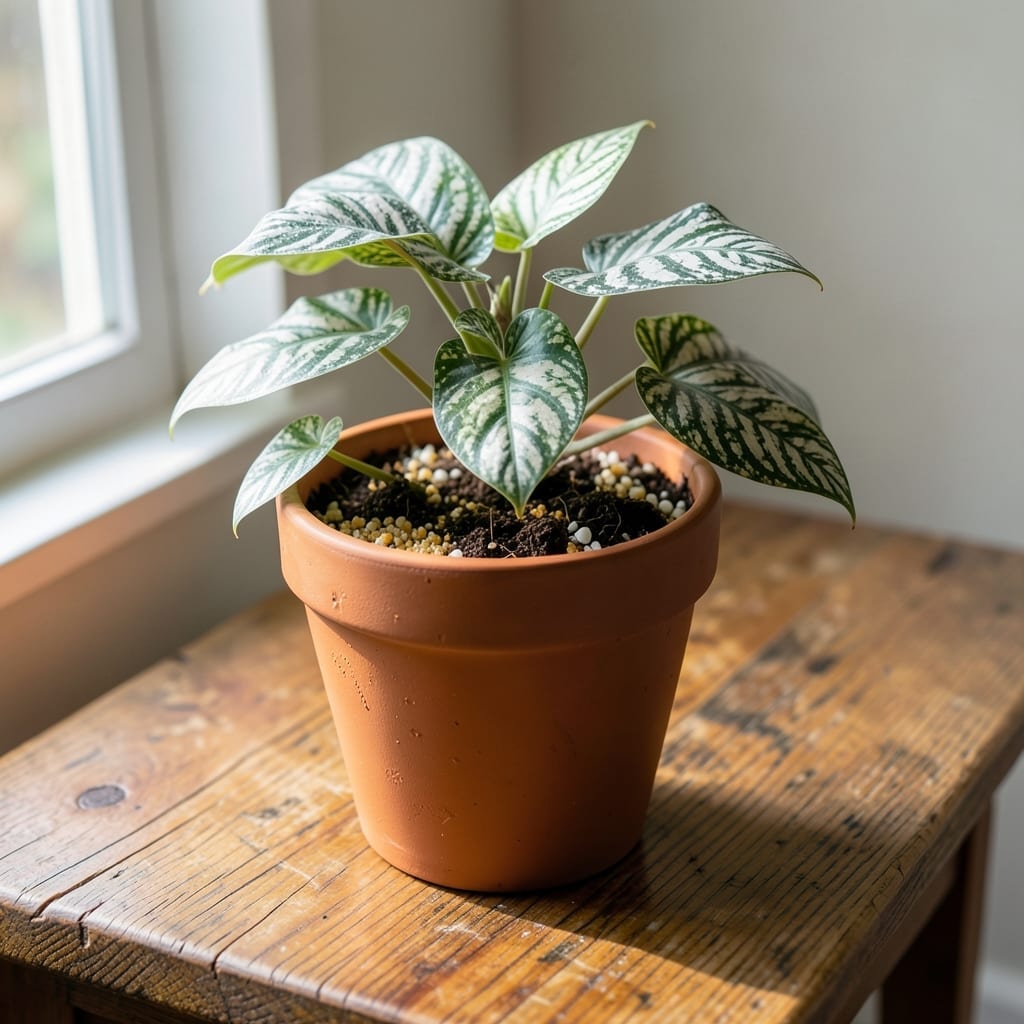
Container gardening success starts with the right foundation. For Jack Frost plants, a well-draining soil mix prevents root rot while keeping moisture levels consistent for healthy growth.
Combine 50% high-quality potting soil with 30% perlite or coarse sand and 20% peat moss or coconut coir. This blend ensures proper drainage and aeration while retaining enough moisture for the plant’s needs.
Ideal for gardeners who want thriving container plants without the guesswork of soil conditions. 🌱
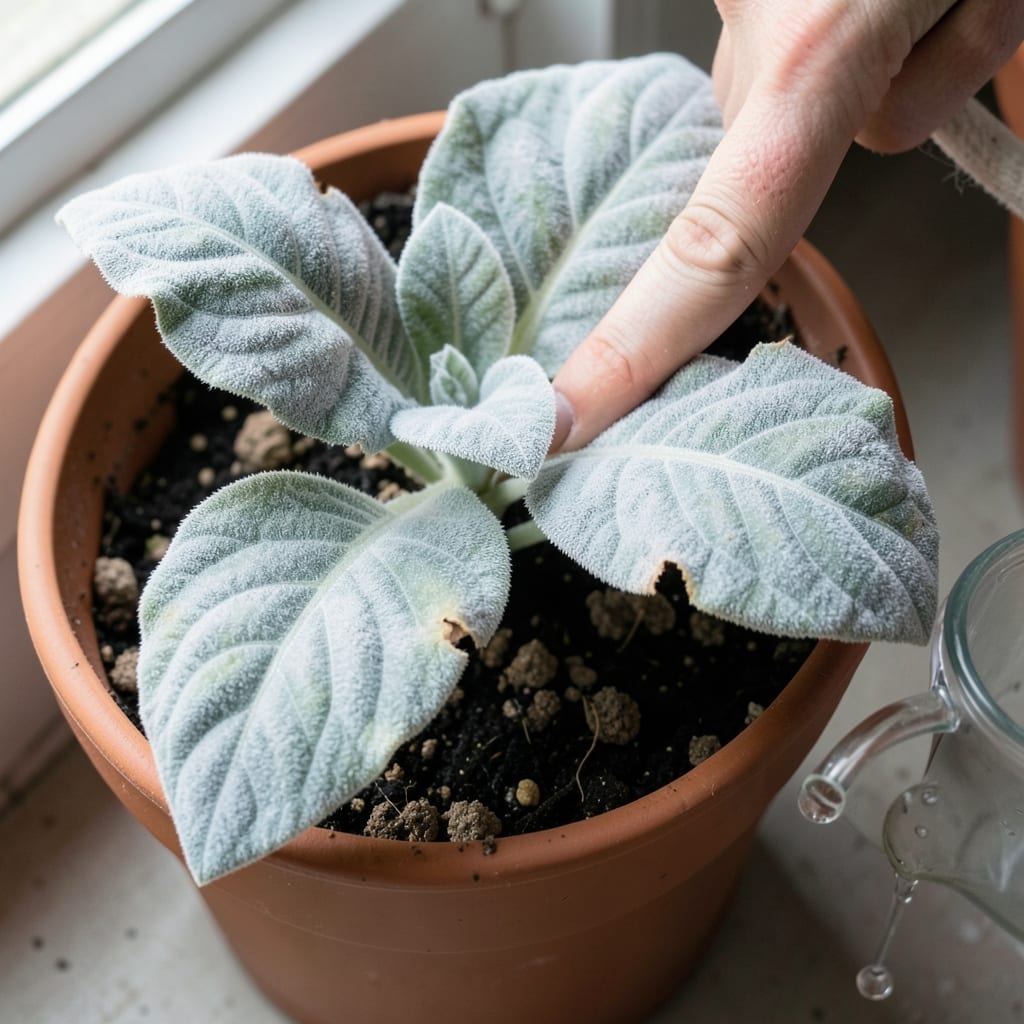
Overwatering is the #1 killer of Jack Frost plants, but underwatering stresses them just as much. The secret is maintaining consistent moisture without letting the roots sit in soggy soil.
Water when the top 1-2 inches of soil feel dry to the touch, typically every 7-10 days. Use the “finger test” and always empty the saucer after watering to prevent root rot. Morning watering allows foliage to dry quickly, reducing fungal risks.
This simple routine keeps your plant hydrated and happy with minimal effort on your part. 🌿
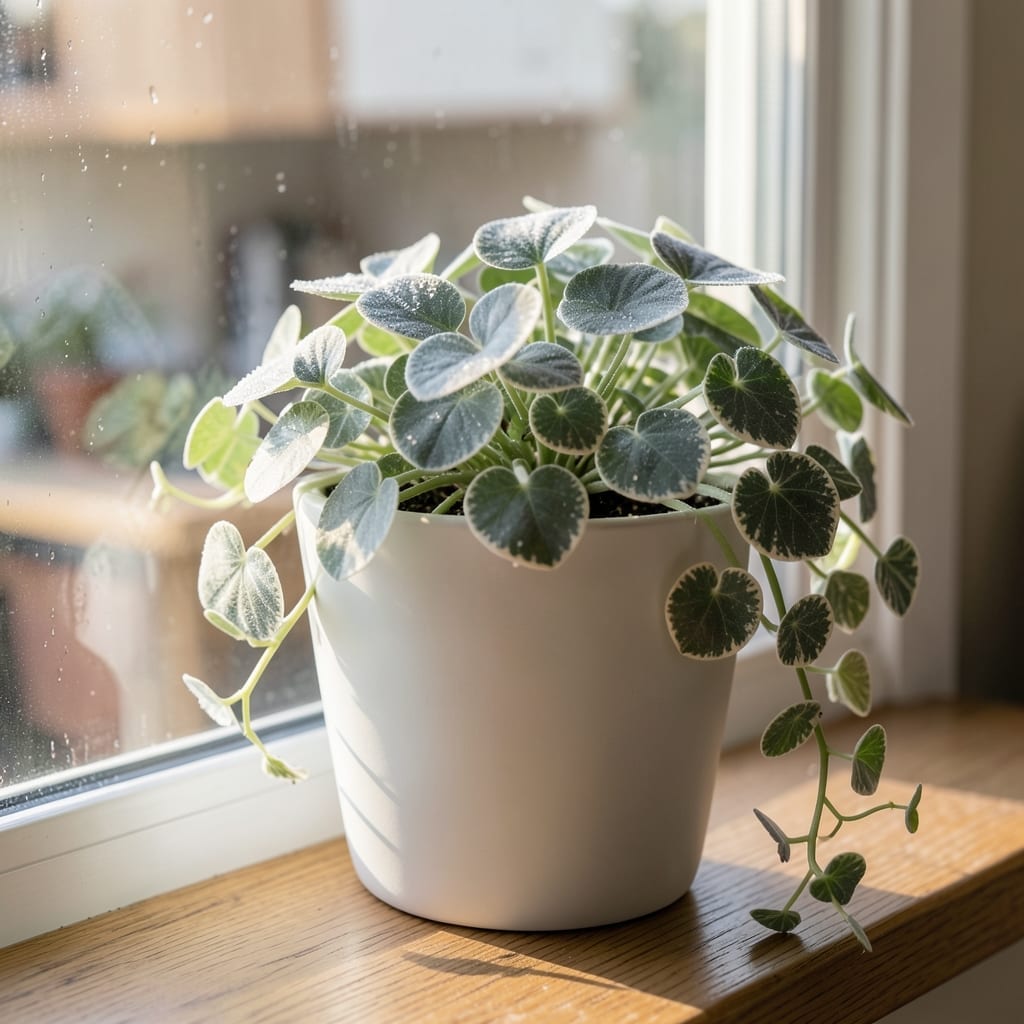
Your Jack Frost plant loves the same conditions you do—comfortable, not extreme. It flourishes in moderate temperatures between 65-75°F, making it a perfect indoor companion.
This plant also adores higher humidity, which is why it thrives in bathrooms or kitchens where moisture levels are naturally elevated. Just avoid cold drafts or dry air from heating vents, as these can stress the foliage.
Ideal for urban gardeners with limited space who want a low-maintenance plant that doubles as decor. 🌿
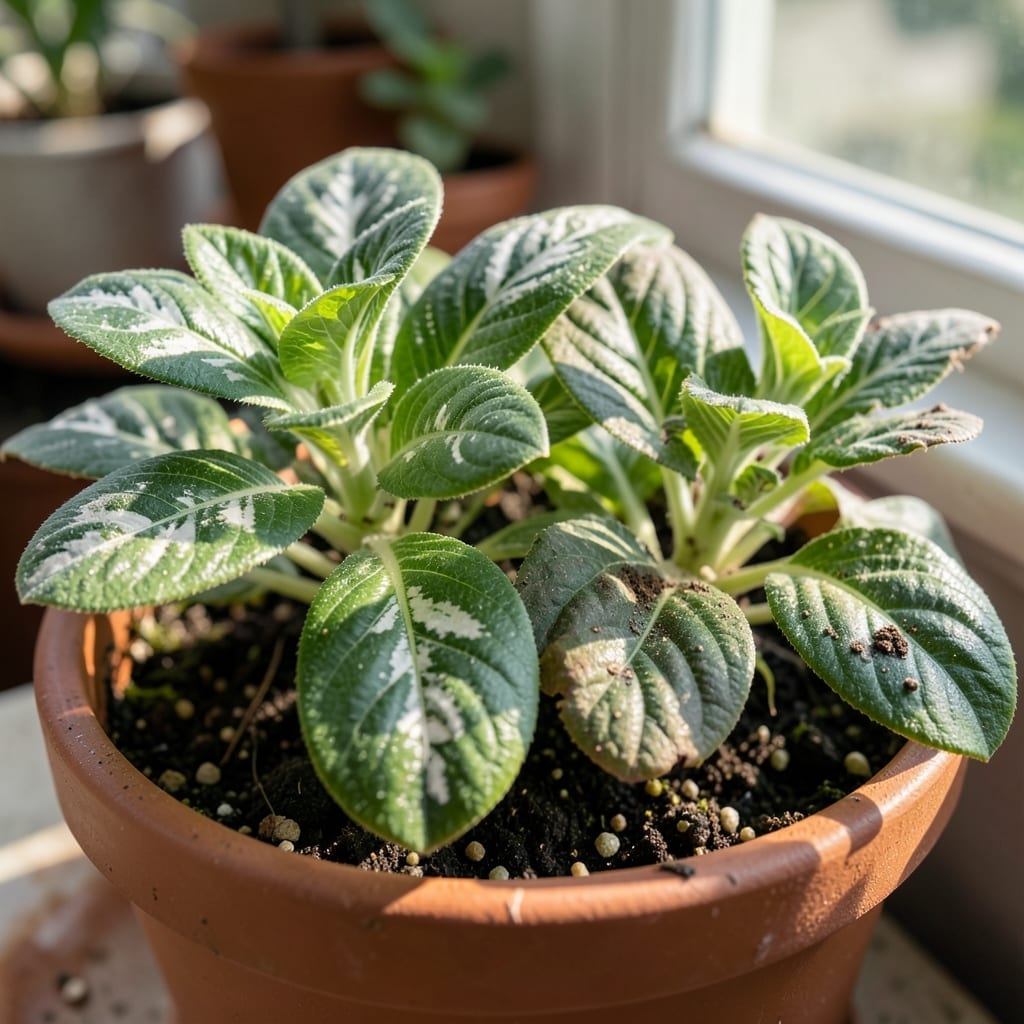
Nutrient deficiencies can turn your Jack Frost plant’s vibrant foliage dull and stunted. A little fertilizer goes a long way in keeping those stunning white variegations bright and the growth lush.
Use a balanced, water-soluble fertilizer (10-10-10 or 20-20-20) diluted to half strength every 4-6 weeks during spring and summer. This gentle approach prevents salt buildup in the soil while ensuring steady nutrient uptake.
Perfect for gardeners who want to maximize their plant’s visual appeal with minimal effort. 🌱
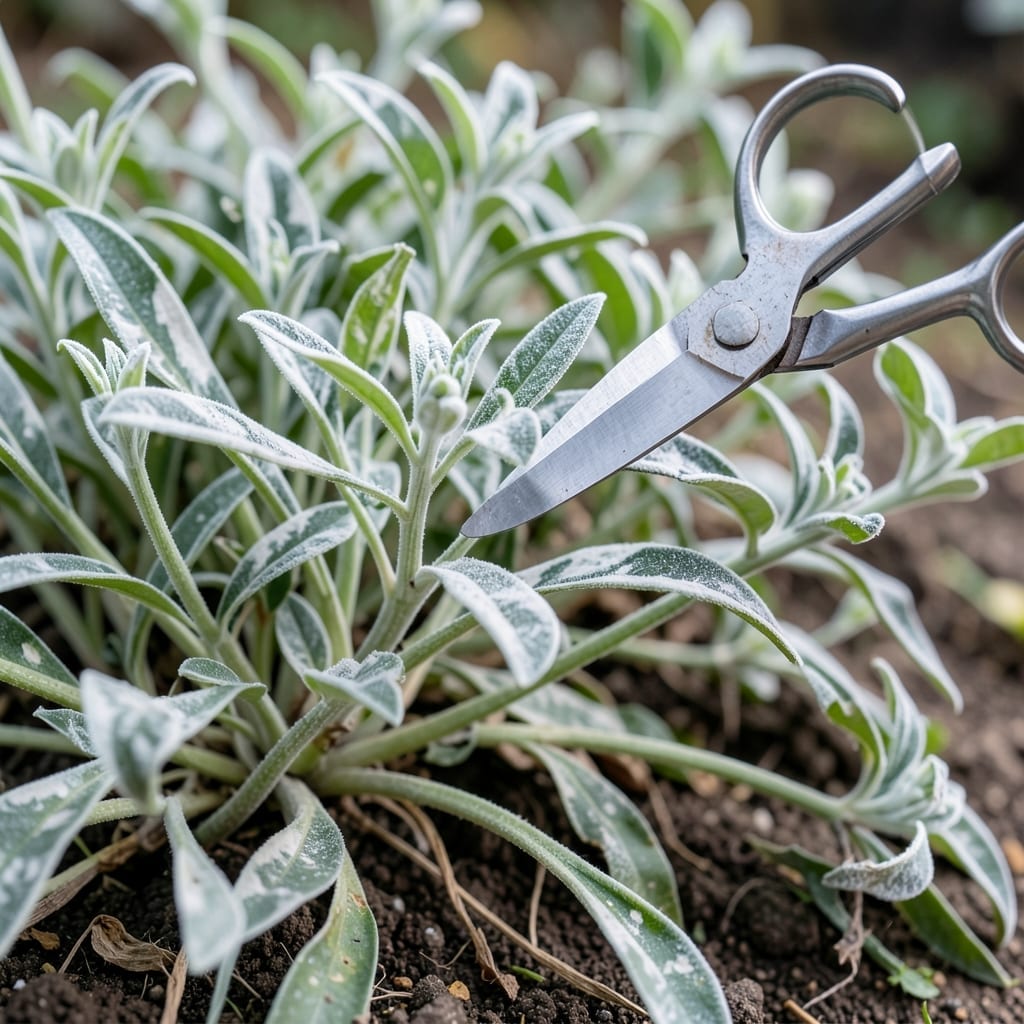
Leggy stems and sparse growth can make your Jack Frost plant look tired and unkempt. Regular pruning solves this by encouraging fuller, more compact growth that showcases its stunning variegation.
Use sharp, clean scissors to trim back long, straggly stems just above a leaf node. This stimulates new growth from the base, creating a bushier shape. Deadhead any spent blooms to redirect energy toward healthy foliage.
This simple maintenance keeps your plant looking vibrant and well-groomed with minimal effort. 🌿
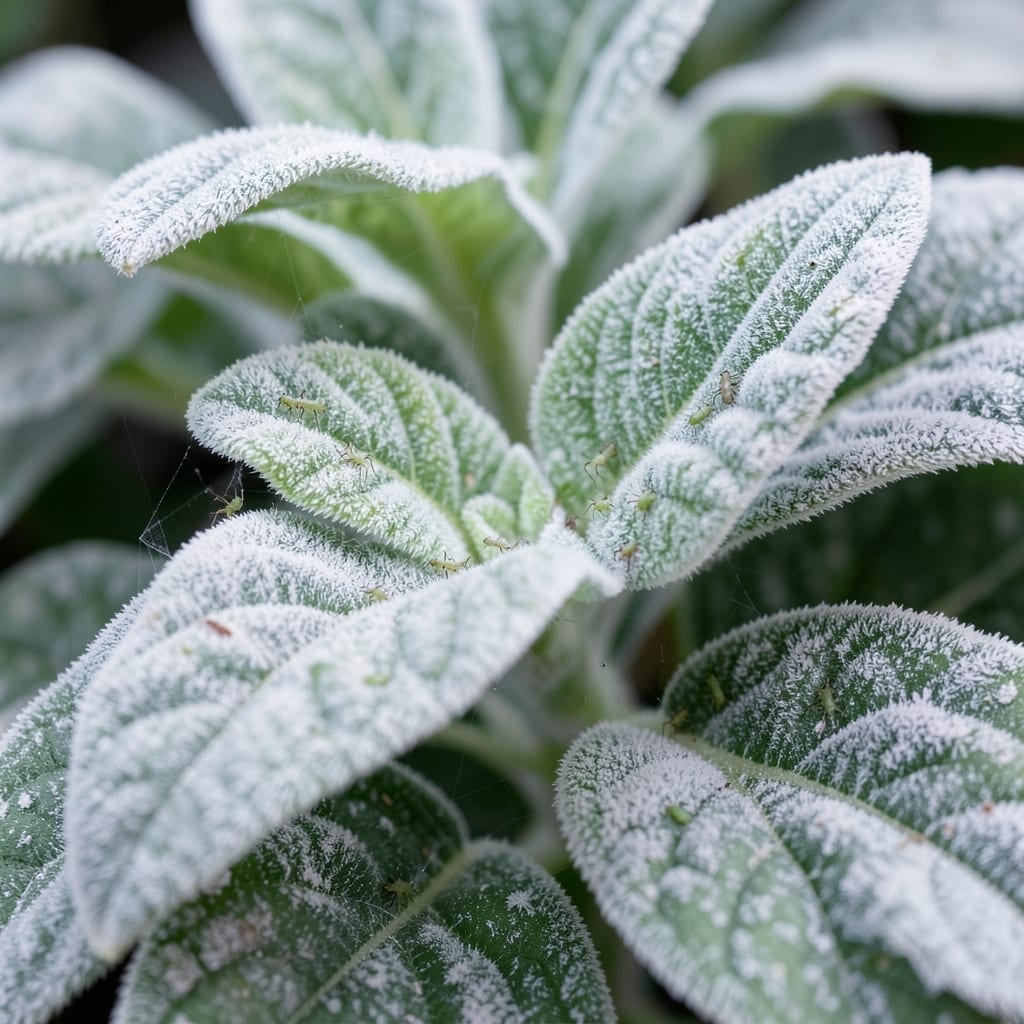
Even the healthiest Jack Frost plants can fall victim to sneaky invaders like spider mites and aphids. These pests love the plant’s tender foliage, but you can stop them before they start with simple, organic methods.
Start with regular leaf inspections—check undersides weekly for tiny webs or clusters. Use a strong spray of water to dislodge pests, or apply neem oil or insecticidal soap for stubborn infestations. Keeping humidity levels consistent also discourages spider mites from settling in.
This proactive approach works best for gardeners who prefer chemical-free solutions and want to protect their plant’s stunning variegation. 🌿
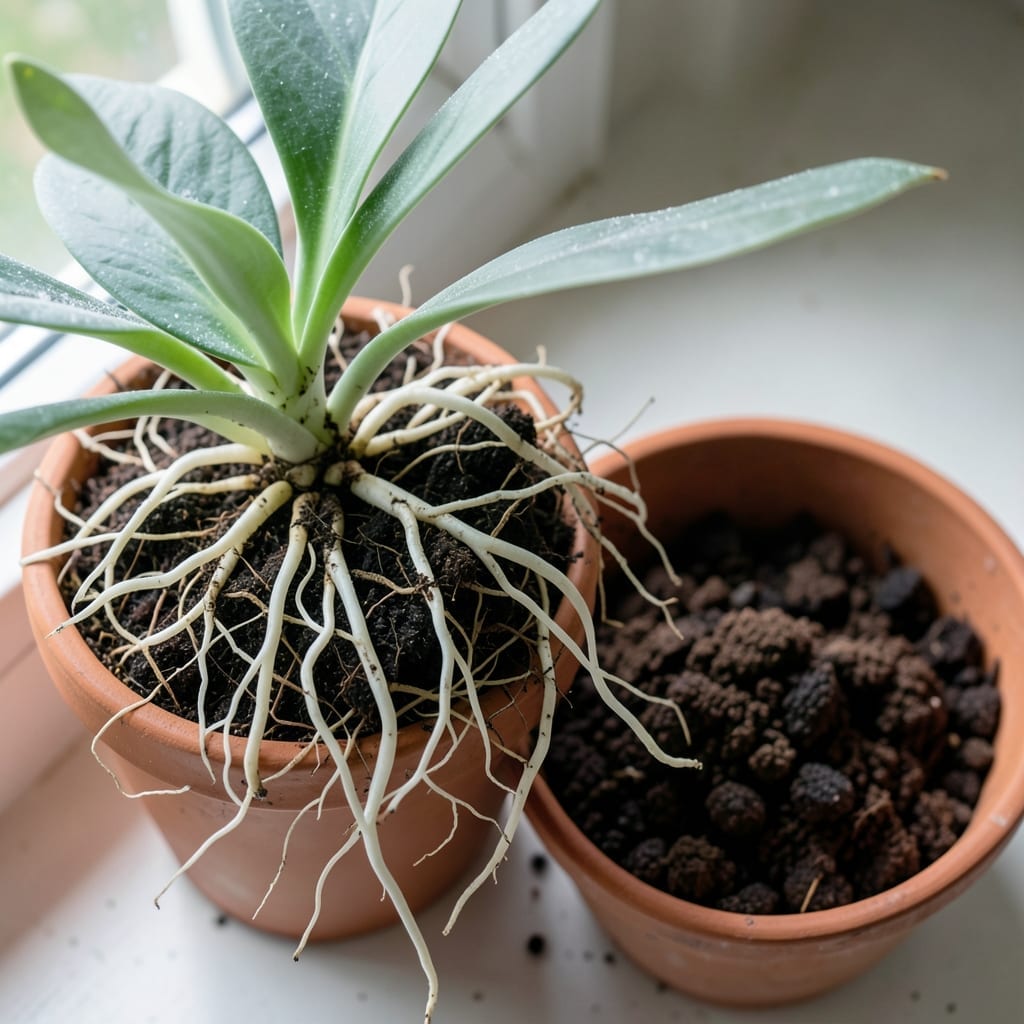
Your Jack Frost plant might look fine now, but crowded roots and depleted soil silently stunt its growth over time. Repotting every 1-2 years solves this by giving roots space to expand and refreshing nutrients in the soil.
Choose a pot just 1-2 inches larger in diameter than the current one to prevent overpotting, which can lead to root rot. Spring is the ideal time to repot, as the plant enters its active growth phase and recovers quickly from the transition.
This simple step ensures your plant stays vibrant and healthy for years, especially for container gardeners. 🌱
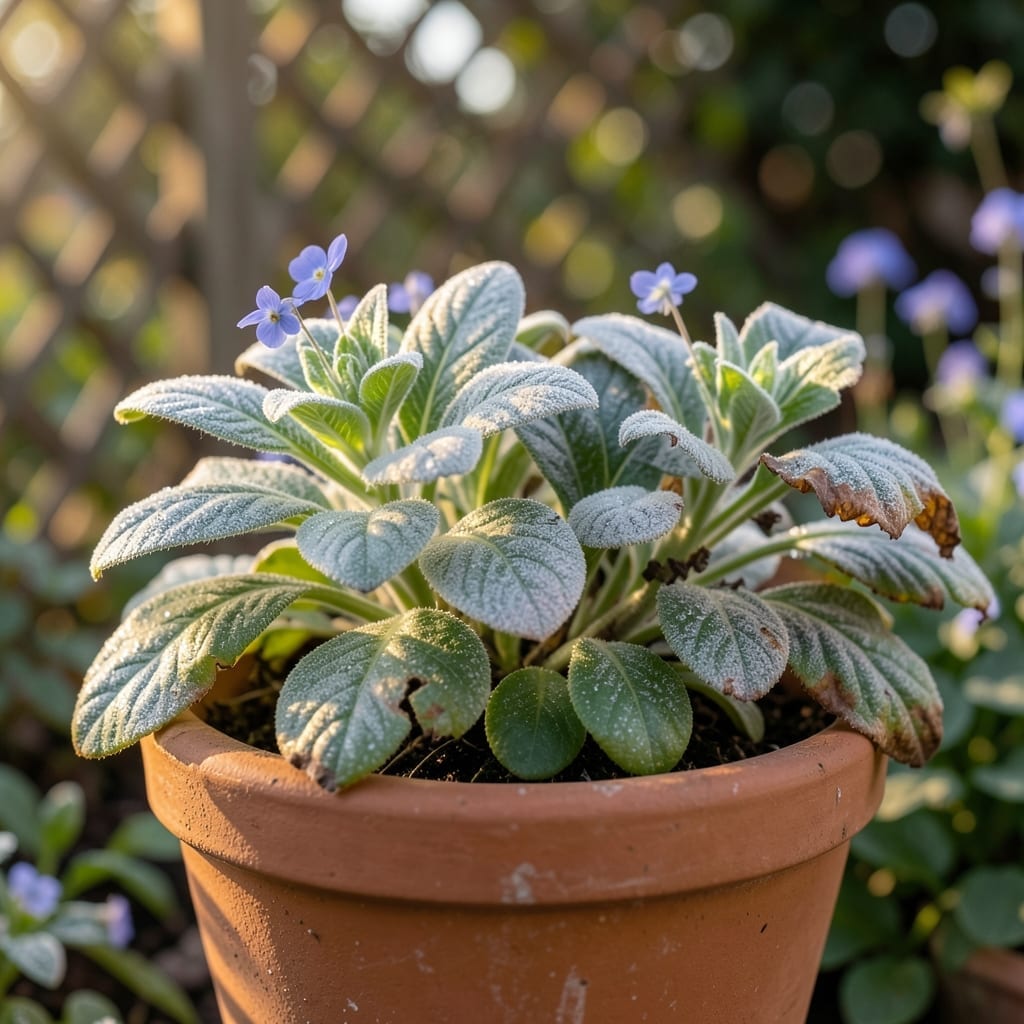
Your Jack Frost plant has different needs as the seasons change, and adjusting your care routine keeps it thriving year-round. During winter dormancy, reduce watering and stop fertilizing to let the plant rest and conserve energy.
In summer growth spurts, increase watering frequency and resume fertilizing to support new foliage. This seasonal approach mimics the plant’s natural cycles, preventing stress and encouraging healthy, vibrant growth.
Perfect for gardeners who want to maintain their plant’s beauty without overwhelming maintenance. 🌿
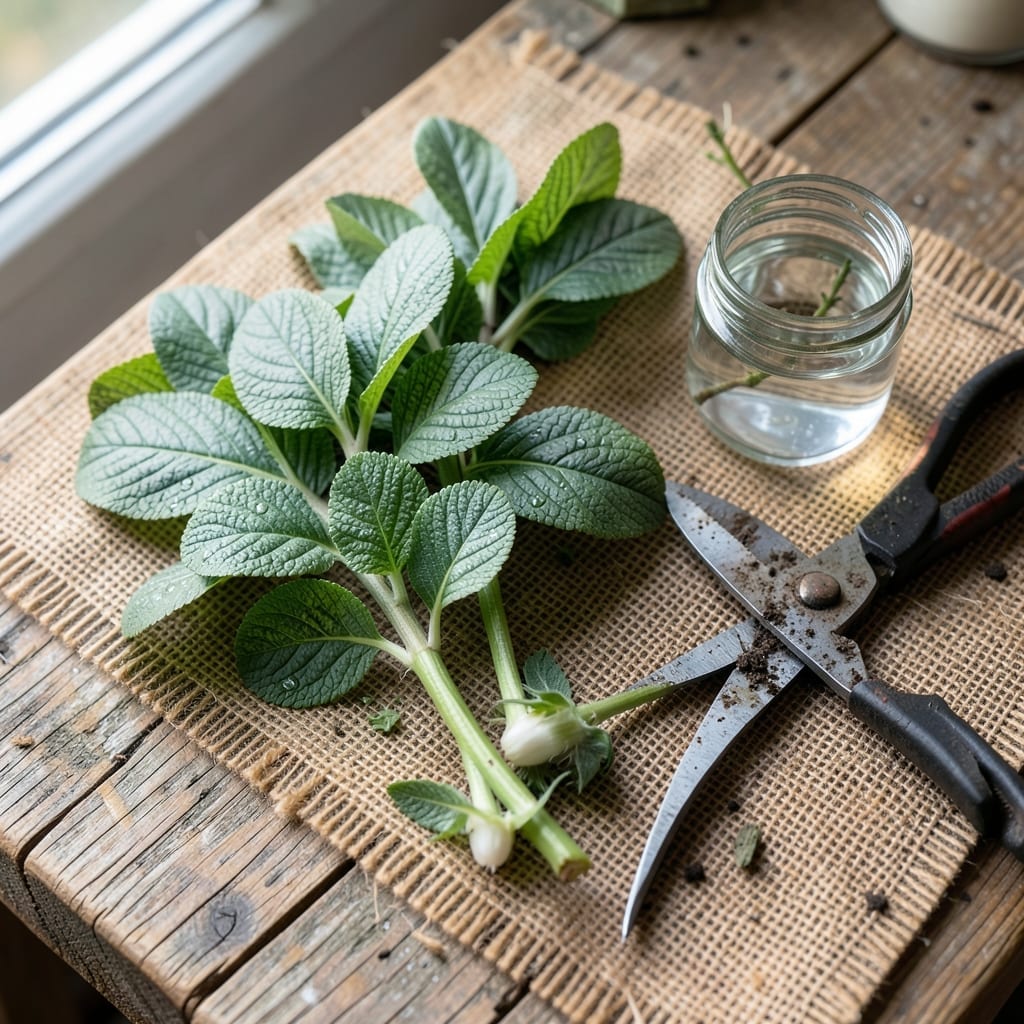
Want to share your Jack Frost plant with friends or expand your collection? Stem cuttings make propagation simple and reliable, preserving the parent plant’s exact variegation and traits.
Take 4-6 inch cuttings from healthy stems just below a leaf node, remove the lower leaves, and place them in water or moist potting mix. Roots typically form within 2-4 weeks in bright, indirect light. This method guarantees genetic consistency and robust new plants.
Perfect for gardeners who love gifting plants or filling their space with more of this stunning variety. 🌱