
Beautiful Plants For Your Interior
Beautiful Plants For Your Interior
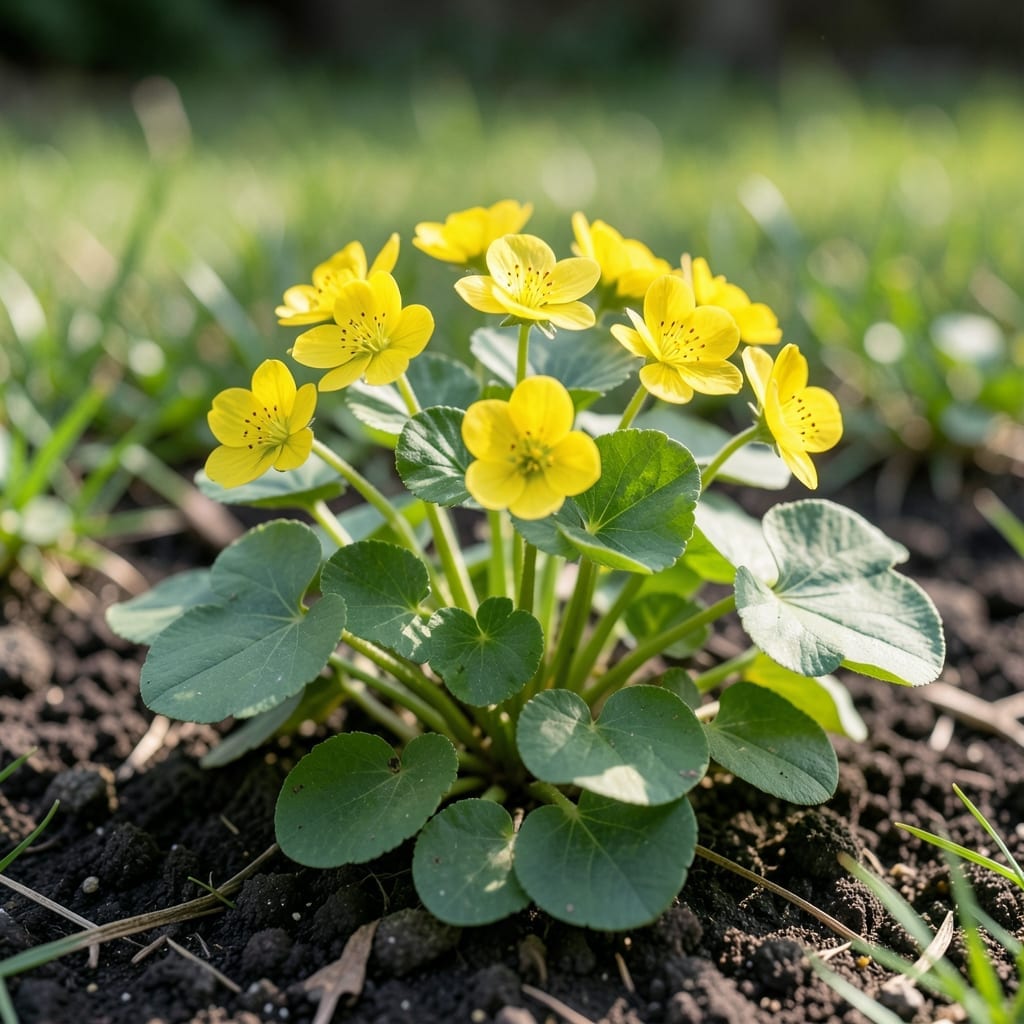
Yes, yellow woodsorrel is edible in moderation due to its oxalic acid content. All parts can be consumed raw or cooked, offering a tangy, lemon-like flavor, but excessive intake may cause stomach discomfort.
I love how this plant doubles as both a food source and a natural seasoning. Its lemony zing makes it perfect for salads or teas, but I always limit my serving to a handful. The oxalates can cause issues if eaten in large quantities, so it’s best enjoyed sparingly. 🔥
💡 In This Article
The safety of eating this plant comes down to its oxalic acid concentration, which sits around 10-15mg per gram of fresh leaves. This compound binds with calcium in the body, potentially forming kidney stones if consumed excessively.
However, small amounts (under 30g per day) pose minimal risk for healthy adults, as the body can process these naturally occurring acids efficiently. ✨
What sets yellow woodsorrel apart is how its oxalate levels compare to common foods. Spinach contains about 970mg per 100g, while our star plant has roughly 300-400mg per 100g—significantly lower. The leaves also contain vitamin C, which can help mitigate oxalate absorption.
The tangy flavor you taste comes from these organic acids, similar to how rhubarb gets its characteristic sharpness. 🔥
Potential issues arise with overconsumption or pre-existing conditions. Those with kidney problems or gout should be particularly cautious, as their bodies may struggle to flush out oxalates. The plant’s leaves also contain small amounts of oxalate crystals, which can irritate the mouth or throat if eaten in large quantities raw.
Light cooking helps break down these crystals.
Interestingly, yellow woodsorrel’s oxalate content varies with growing conditions. Plants in shady, moist areas tend to have lower concentrations than those in sunny, dry spots. This adaptability is part of why it’s been safely foraged for centuries. The plant’s natural defense mechanism against pests also means it’s rarely contaminated with harmful bacteria. ⚡
For perspective, you’d need to eat about 2 cups of fresh leaves in one sitting to approach problematic oxalate levels. Most traditional uses involve much smaller amounts—sprinkled in salads or steeped in teas. The plant’s bright, citrusy notes make it a prized addition in many cuisines, from Native American traditions to modern foraging circles.
Look for heart-shaped leaves with a center fold and small 5-petal yellow flowers. Always verify it’s growing in clean, pesticide-free areas away from roads or industrial zones.
Blanch leaves in boiling water for 30-60 seconds to cut oxalates by up to 30%. For raw use, limit portions to 1/4 cup and pair with calcium-rich foods like dairy.
Yes, young leaves make a tangy addition. Start with small amounts (1/4 cup) to test tolerance, as raw leaves contain the highest oxalate concentration.
Wrap in a damp paper towel and refrigerate for up to 3 days. For longer storage, blanch and freeze in airtight containers.