
Beautiful Plants For Your Interior
Beautiful Plants For Your Interior
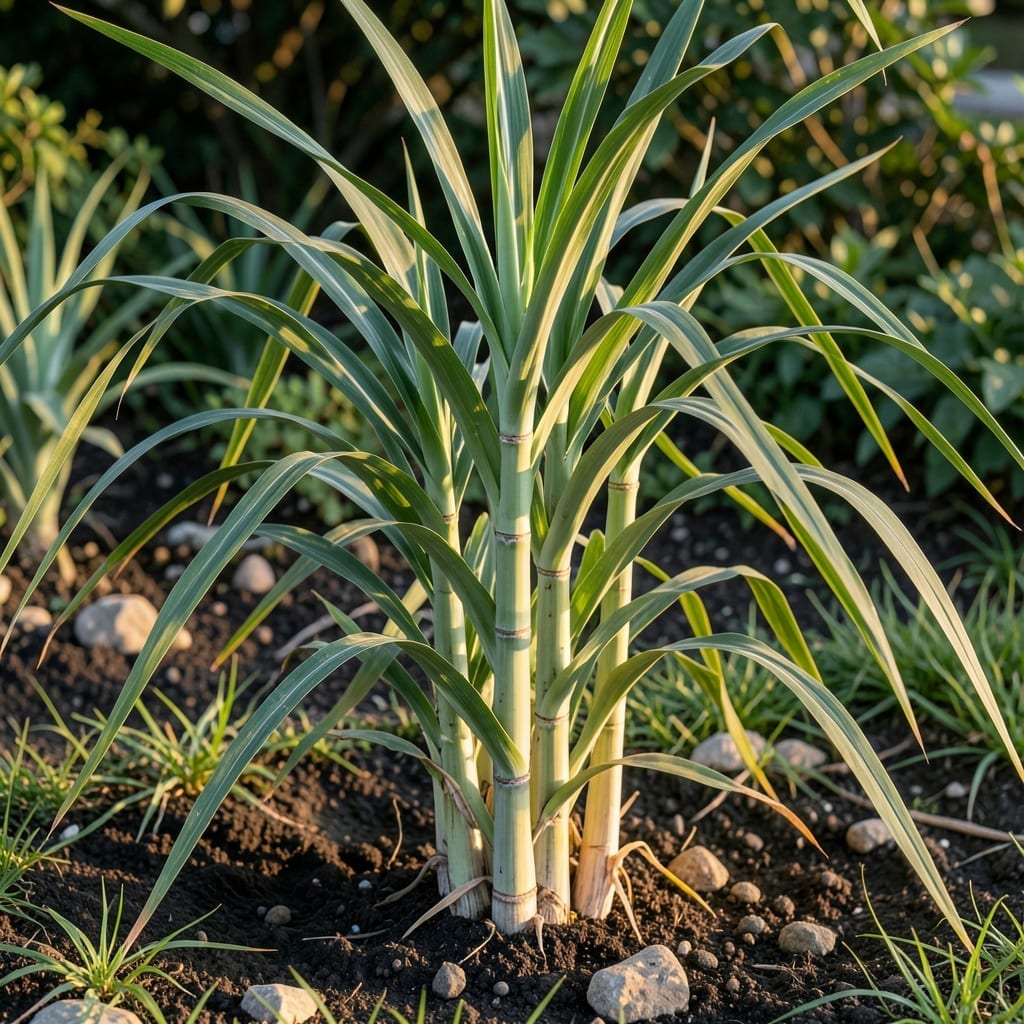
Sugar cane can be invasive in warm climates, spreading aggressively through underground rhizomes and self-seeding. It often outcompetes native plants in ideal growing conditions.
I’ve seen firsthand how its underground network can take over gardens, with new shoots popping up 10-15 feet from the original plant. This rapid expansion crowds out local flora, especially in tropical or subtropical regions where it thrives. 🔥
Left unchecked, it can transform a small patch into a dense thicket within a single growing season. The real challenge comes from its ability to regrow from tiny root fragments, making complete removal difficult without persistent effort.
💡 In This Article
The underground network of rhizomes is the primary driver of sugar cane’s expansion. These horizontal stems can extend 10-20 feet from the parent plant, sending up new shoots at regular intervals. Each node on the rhizome can produce roots and shoots, creating dense thickets that choke out other vegetation in a single growing season.
Above ground, sugar cane produces feather-like flower plumes that release thousands of lightweight seeds. Wind can carry these seeds up to 1 mile from the source, while birds and small mammals inadvertently transport them further. In ideal conditions with 75-85°F temperatures and consistent moisture, these seeds germinate rapidly, establishing new colonies.
What makes this spread particularly aggressive is sugar cane’s ability to thrive in disturbed soils. Roadside ditches, agricultural edges, and cleared land provide perfect opportunities for colonization. I’ve observed how quickly it can transform a bare patch of earth into a monotypic stand, outcompeting even hardy weeds like kudzu in some cases.
The ecological impact becomes evident as these stands mature. Native plants struggle to compete for light, water, and nutrients. In Florida’s wetlands, for instance, sugar cane invasions have reduced native plant diversity by 40-60% in affected areas, altering entire ecosystem dynamics. ✨
This combination of rhizome expansion and prolific seeding makes sugar cane particularly challenging to contain. Even small fragments of rhizome left in the soil during removal attempts can regenerate entirely new plants, making complete eradication extremely difficult without persistent effort.
Its rhizomes can extend 10-20 feet from the parent plant, sending up new shoots along the way. Each node can sprout roots and stalks, creating dense patches quickly.
It thrives in tropical and subtropical regions with 75-85°F temperatures and consistent moisture. These conditions accelerate both rhizome growth and seed germination.
Yes! Use containers at least 20 gallons with good drainage. This completely controls root expansion while allowing healthy growth.
Install 2-foot-deep root barriers and harvest stalks before they flower. Remove every rhizome fragment when thinning to prevent regrowth.
Even 1-inch rhizome pieces left in soil can regenerate. Its aggressive root system and prolific seeding make complete eradication challenging without persistence.